Storm-door buying guide · Reviewed September 16, 2026
Storm Door Cost: What Goes Into Your Quote
Understand how the model, finish, size, glass, pre-hung package, delivery, and installation affect a complete storm-door quote.
Compare the same scope before comparing prices
A storm-door price can refer to a base door, a configured frame package, a delivered order, or an installed project. Those are different scopes. Before comparing two numbers, list what each includes: model, dimensions, glass or screen, finish, hardware, pre-hanging, packaging, freight, taxes, and installation.
Our storm-door pages use a quote request so the configuration and delivered cost can be reviewed together. Sending a request does not charge a card or place an order. The written quote establishes the current price and scope for your opening rather than treating a generic starting number as the total project cost.
Model and glass set the starting configuration
The 740 operating model, 760 fixed full-view model, and 810 insulated full-view model have different glazing and construction. Comparing their prices without considering the way the entry needs to operate can lead to a cheaper door that does not do the required job.
The 810 has 5/8-inch fixed insulated glass, with Low-E and obscure/Low-E options reviewed separately. The 740 and 760 have their own clear tempered glass specifications and separately quoted obscure-glass requests. Ask that approved glass choices appear in the quote rather than relying on a broad phrase such as upgraded glass.
Size, finish, and frame package matter
The 740 and 760 accept special-size requests within their listed 24 to 42-inch width and 72 to 96-inch height range. The 810 is standard-size only. A custom-size request is priced after the family and opening are reviewed; we do not infer the charge from another series.
Black, Bronze, White, and Tan have distinct model numbers within each storm-door family. The base doors are not pre-hung, so include the optional pre-hung request when required. These choices should be settled before treating two quotes as equivalent.
Delivery and site work are separate questions
Include your ZIP code and quantity so delivery and packaging can be reviewed. Tell us about access constraints or an unusual receiving location that may affect the shipment. The written quote should identify the delivery service and any customer responsibilities rather than assuming that freight includes unloading, carrying inside, or installation.
Ask your installer about removal of the old door, trim repair, threshold work, sealing, and disposal. Those site conditions can change the overall project even when the door itself is a standard configuration. Keep installer pricing and product pricing clearly described so the total does not omit work you still need.
Build a quote request that can be answered
Choose a family, finish, and size preference. Provide opening width and height, the outside-view hinge side, glass or screen requirements, pre-hung preference, quantity, and delivery ZIP. Add the full measurement survey and photographs when available. If the measurements are preliminary, say so.
Before approving an order, check the exact model and finish, final dimensions, glass, handing, included hardware, frame package, delivery terms, lead time, and applicable warranty and return terms. A good quote resolves those details in writing. It should not depend on an illustration, a color name shared by another manufacturer, or an assumed installation allowance.
Common questions
Why are the doors quoted instead of added directly to the cart?
The final opening, frame package, options, and delivery need review. The quote request collects those details without taking payment.
Is a special size priced the same across all models?
No automatic cross-model pricing is used. The 740 and 760 special-size requests are quoted separately, and the 810 does not offer special sizes.
Explore the door families
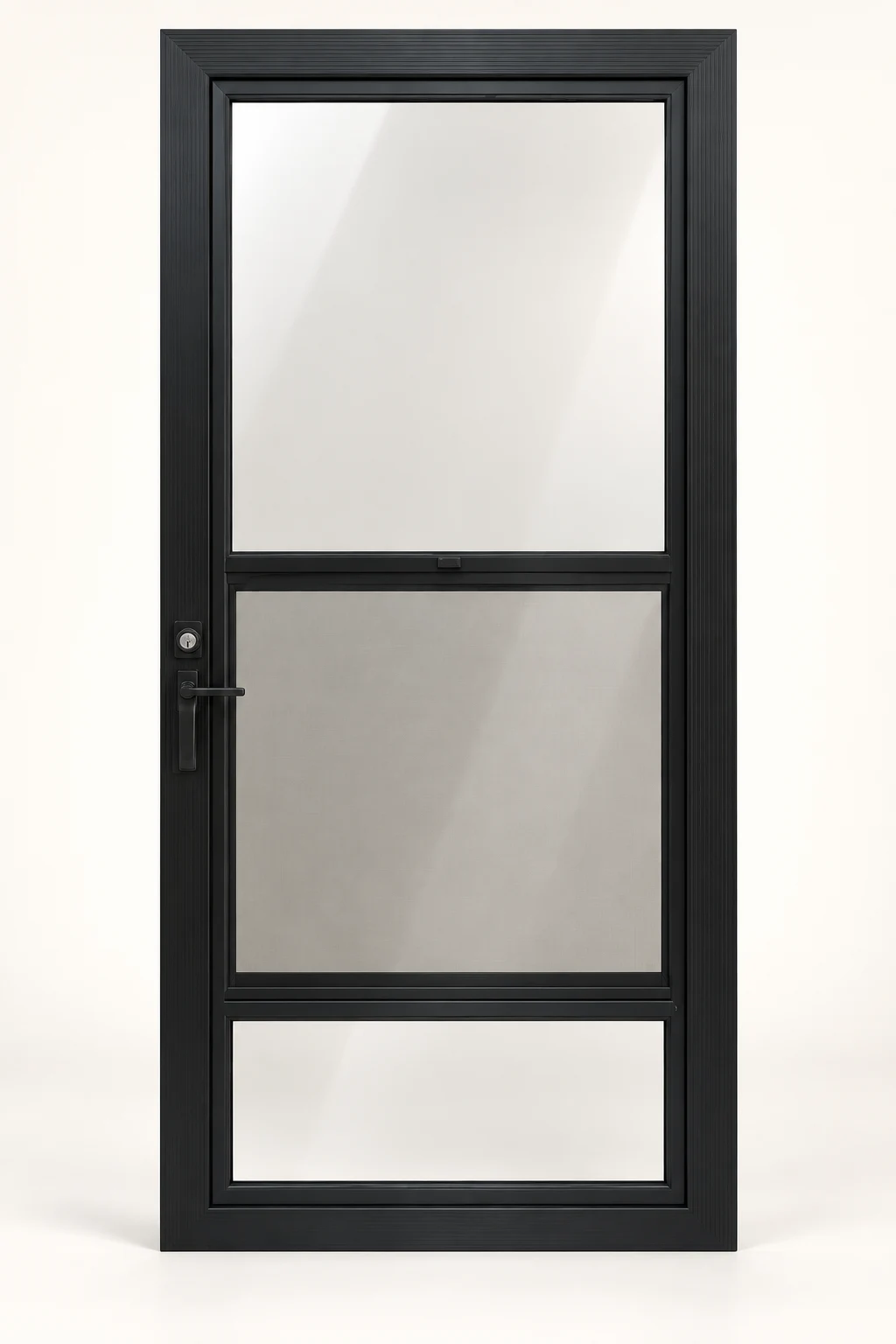
Series 740 · Four finishes
740 Operating Aluminum Storm Door
Aluminum operating storm door with 1/8-inch clear tempered safety glass and glass kickplate. Black lever hardware and a deadbolt are included. Base doors are not pre-hung.
From $766.01
Standard size and included glass. Shipping and tax calculated at checkout.
Choose size & finish →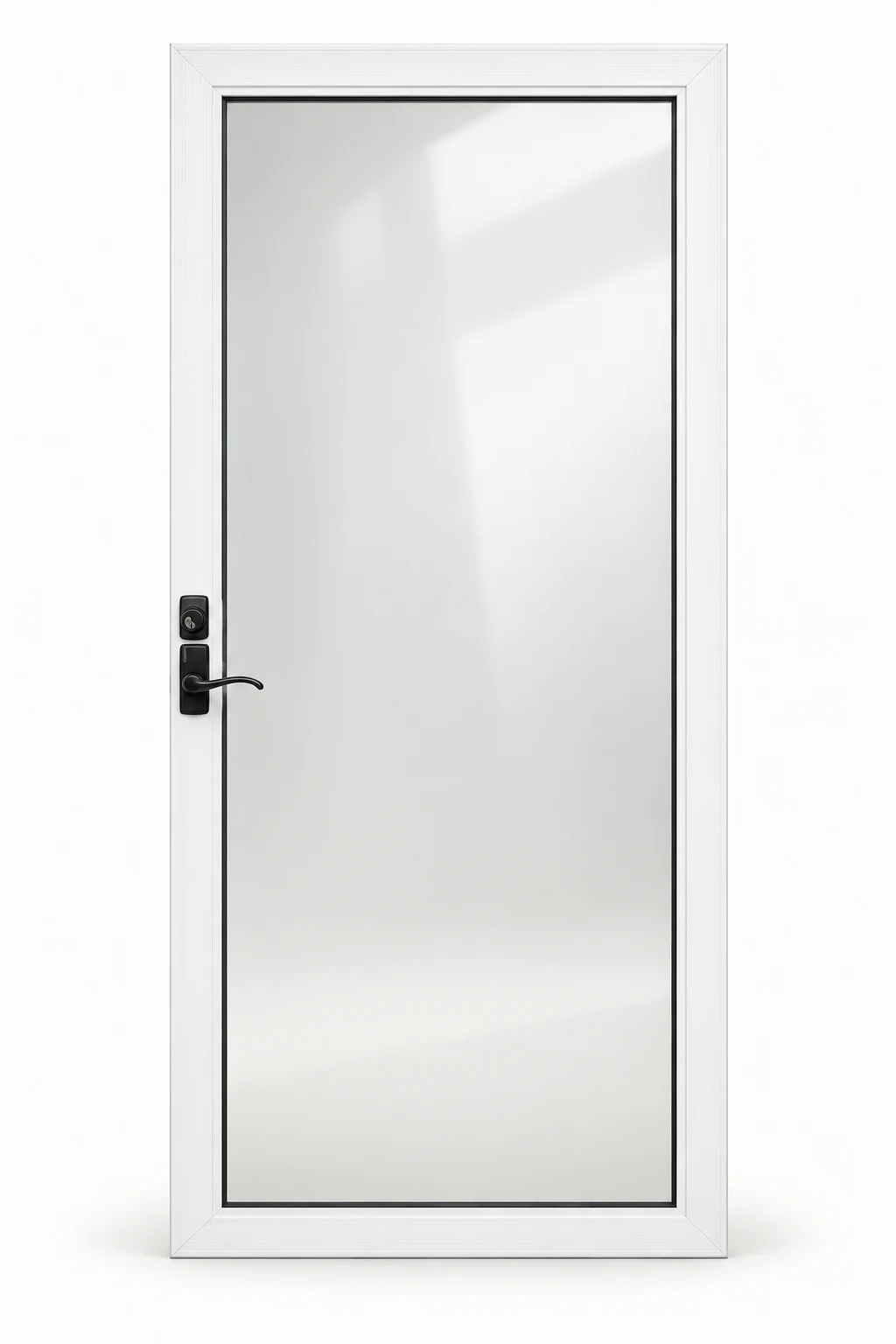
Series 760 · Four finishes
760 Fullview Aluminum Storm Door
Aluminum fullview storm door with 3/16-inch clear tempered fixed glass. Black lever hardware and a deadbolt are included. Base doors are not pre-hung.
From $648.86
Standard size and included glass. Shipping and tax calculated at checkout.
Choose size & finish →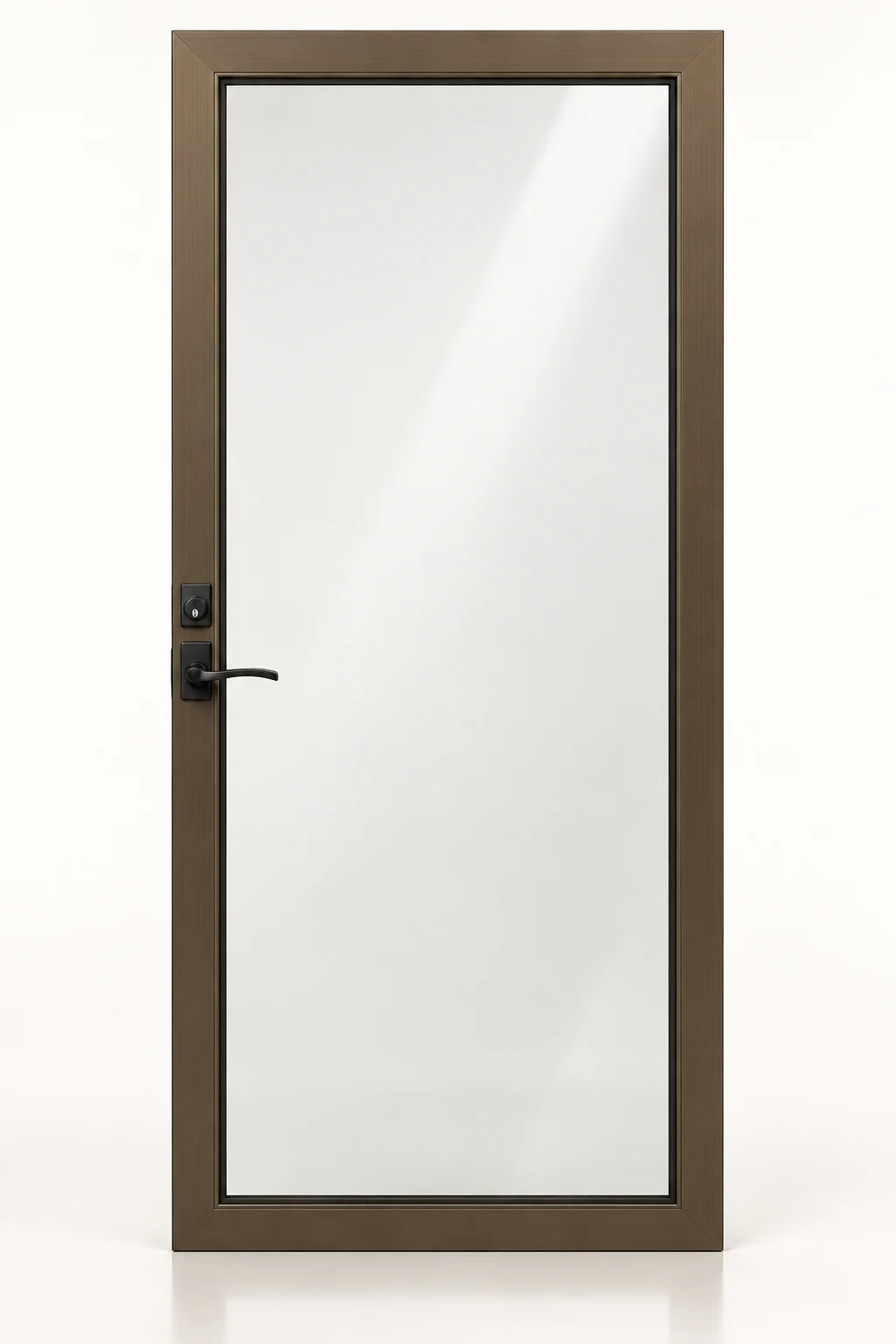
Series 810 · Four finishes
810 Insulated Fullview Aluminum Storm Door
Aluminum insulated fullview storm door with 5/8-inch fixed insulated glass. Black lever hardware and a deadbolt are included. Base doors are not pre-hung.
From $964.27
Standard size and included glass. Shipping and tax calculated at checkout.
Choose size & finish →