Interior vs Exterior Storm Windows
Keep your original windows and add another layer of comfort. Choose the mounting side based on your home, access, and daily use, then select the frame and glass. Both interior and exterior systems can be a good fit.
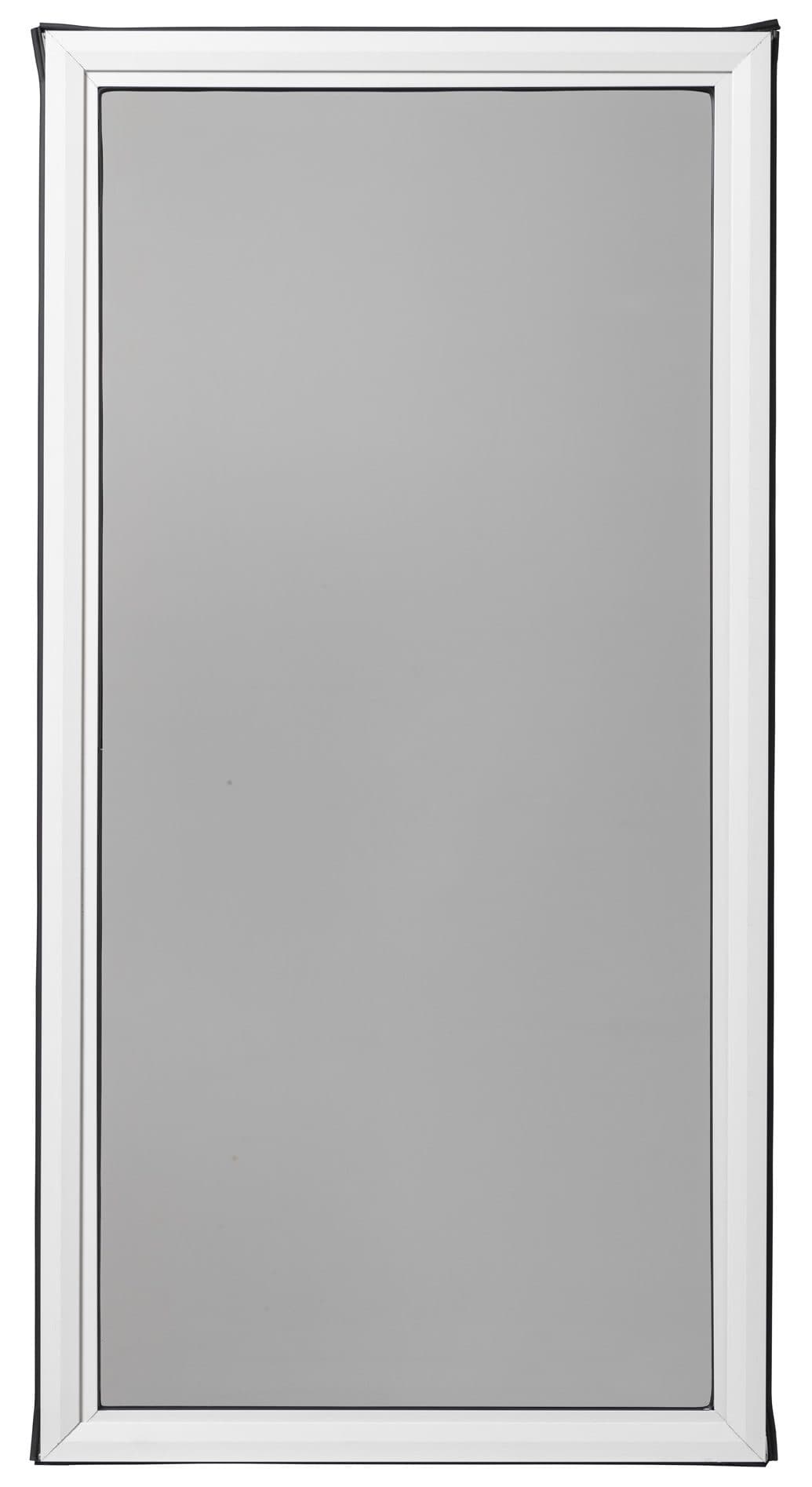
Interior: add comfort from the room side
A useful starting point when preserving the exterior appearance or working from inside matters. Choose aluminum or vinyl frames, with removable and operating options.
Explore interior windows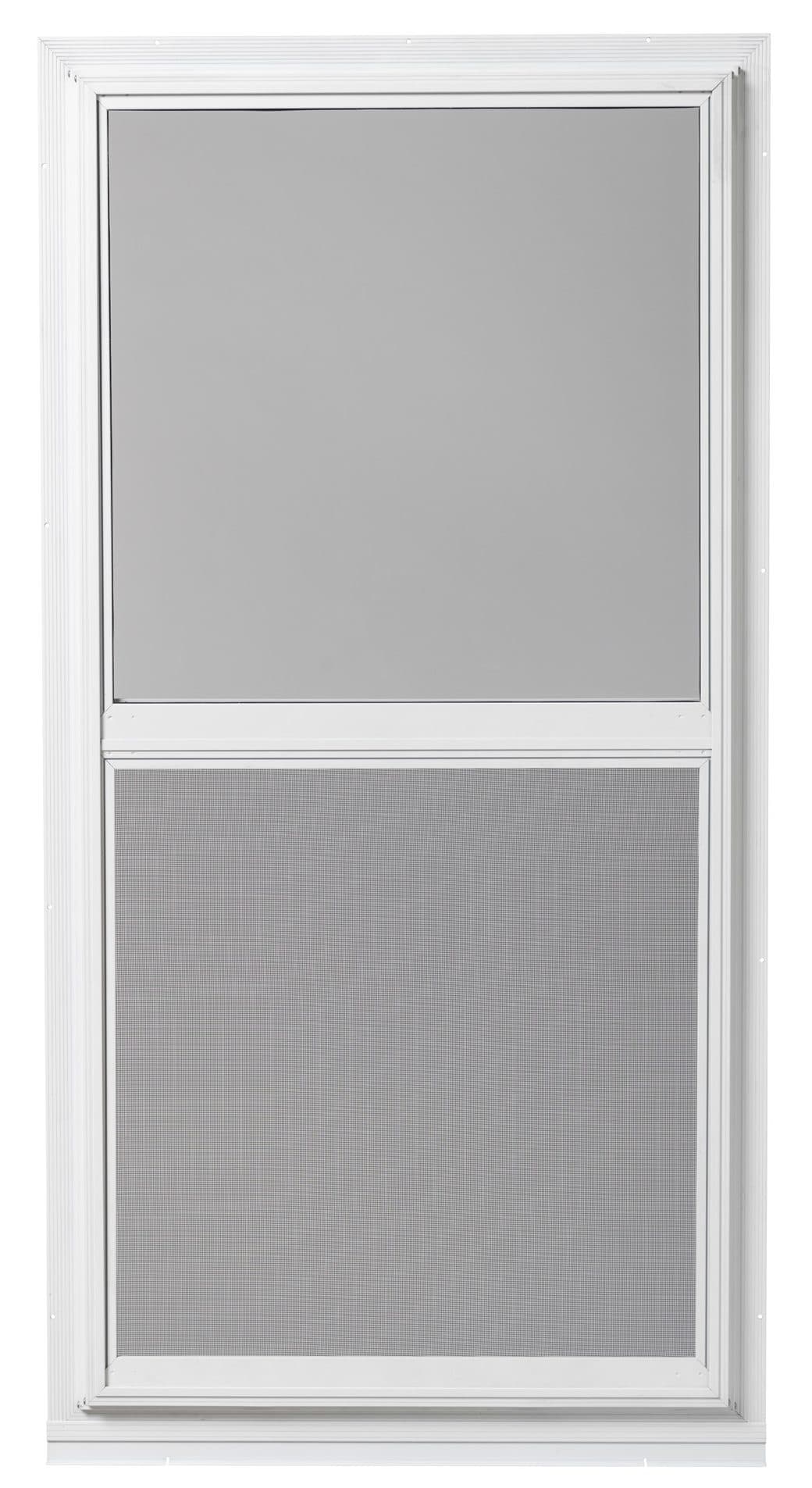
Exterior: add an outside layer
An additional weather-facing layer outside the original sash. Match the frame, meeting rails, opening style, and finish to your existing windows.
Explore exterior windowsThe differences that matter
| Consideration | Interior storm windows | Exterior storm windows |
|---|---|---|
| Location | Mounted on the room side of the primary window. | Mounted outside the primary window. |
| Appearance | Leaves the exterior mounting surfaces unchanged; interior trim and sightlines still need review. | Adds a visible exterior frame. Color and meeting-rail alignment affect the result. |
| Weather exposure | The original window remains the weather-facing layer. Repair leaks and damage first. | Adds an outer layer, with a drainage path that must stay open. Existing defects still need repair. |
| Installation access | Work is generally done from the room. Check furniture, blinds, handles, and mounting depth. | Plan safe outside access and sound fastening surfaces, particularly on upper floors. |
| Ventilation | Removable panels, double-hung, and sliding choices. Screens depend on the model. | Fixed and operating choices; many operating models offer screens. |
| Care | Clean and service from inside as the selected design allows. Removable glass needs safe handling and storage. | Keep drainage openings clear and inspect exterior seals. Cleaning access depends on the model. |
| Cost | Depends on dimensions, frame, glazing, options, installation, and shipping. | The same factors apply; exterior access equipment or labor may affect the installed total. |
Choose your fit
Choose interior for room-side access
Start here when reaching the outside is difficult or you want to avoid adding an exterior frame. Confirm that the room-side opening has enough depth and that the new assembly will clear the original window locks, shades, and handles.
Choose exterior for an outer layer
Start here when you want a secondary assembly outside the original sash and have suitable mounting surfaces. The installation needs appropriate head and side sealing while preserving sill drainage. Match the operating layout to the original window.
Let the glass and fit guide performance
Location alone does not make one system the universal efficiency winner. Compare the exact glazing, air seal, installation details, and existing window condition. Low-E glass is an option to consider in either location; project results depend on the complete assembly.
Then compare aluminum and vinyl
If interior mounting suits your home, the next decision is the frame and attachment method. Our aluminum range includes screened operating and direct-mount designs. Our vinyl range includes compression-fit, turn-button, and operating systems. The linked material comparison explains those differences.
Let’s price the right option
Send the width and height of each opening, quantities, and your shipping ZIP. Tell us whether you want a removable panel or a window that opens in place. We will help select the configuration and quote delivery.
FAQs
Do storm windows replace the existing window?
No. These systems add a secondary layer. Address rot, loose glazing, or water leaks in the primary window and surrounding construction before installation.
Can I mix interior and exterior storms in one home?
Yes, the appropriate choice can vary by opening. For example, access or appearance may favor an interior unit upstairs and an exterior unit elsewhere. Select and measure each opening separately.
Will either option stop all noise or condensation?
Neither is a universal guarantee. Sound and condensation depend on the complete window assembly, seals, indoor humidity, and other building conditions. Discuss a specific problem before choosing the glass and mounting detail.
Which option should I use for a historic home?
Start with the appearance requirements and the condition of the original windows. Interior units can preserve the exterior mounting appearance; a carefully matched exterior system may also suit the project. Confirm any applicable preservation requirements.
What do you need to quote my windows?
Send opening widths and heights, quantities, and the shipping ZIP. Tell us which windows need to open and whether screens are required. Photos are optional for the initial request; unusual mounting details may need a closer look.