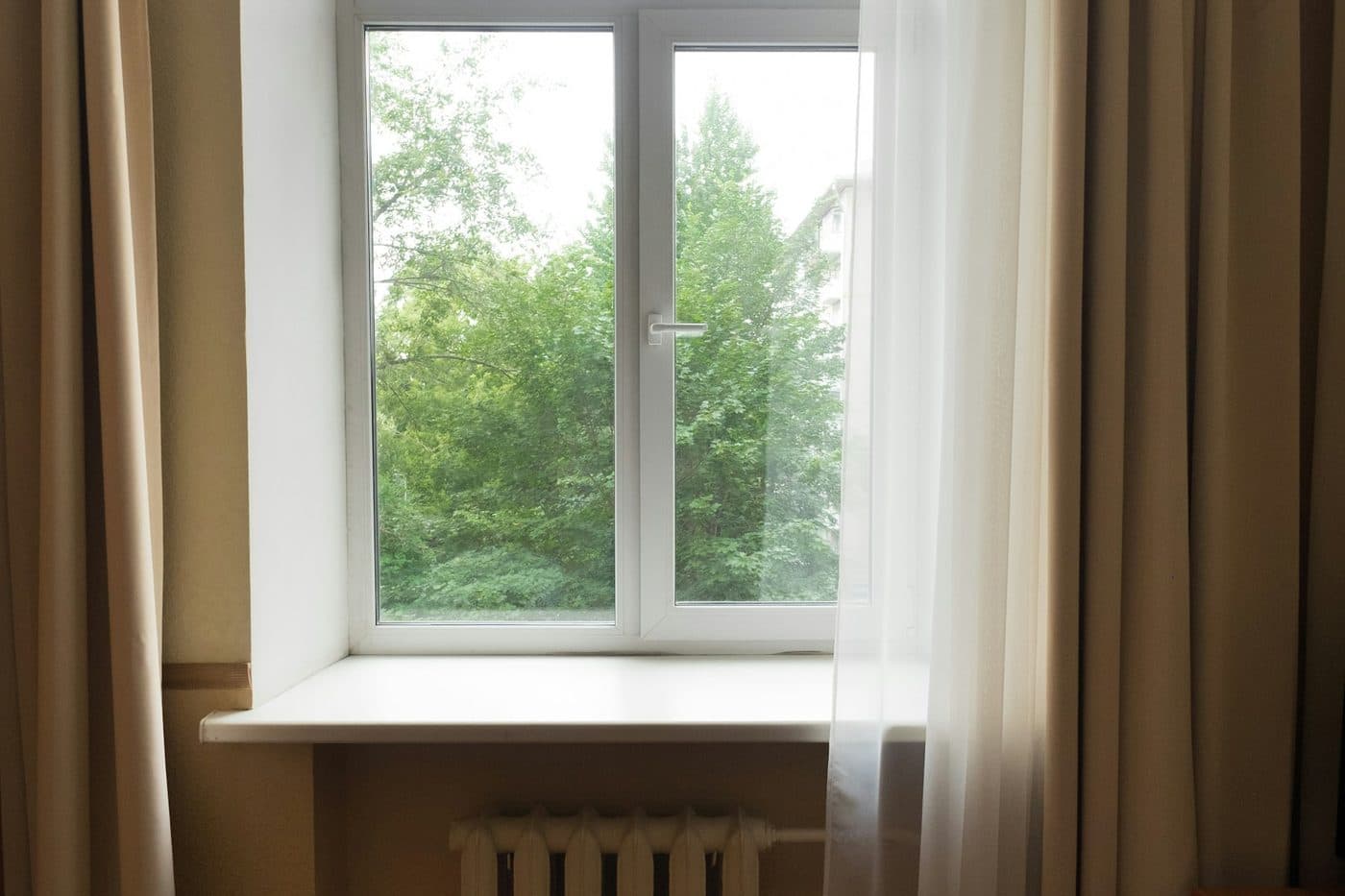
Yes, storm windows can quiet a room
ENERGY STAR notes that storm windows can inexpensively reduce outside noise. A second panel adds mass and a layer of air between you and the street, and it closes gaps where sound leaks around an old sash.
What are storm windows?Why the air space and seal matter
Sound travels through glass, but it also travels through gaps. A snug fit around the opening does as much as the glass itself, which is why a panel made to your exact measurements performs better than a loose stock size. A wider air space between the panels generally helps.
Measure for a snug fitInterior or exterior
Both mount styles add a layer. An interior storm window sits inside the room and is easy to reach for cleaning. An exterior storm window protects the original window from weather as well. Choose the side that suits the opening and the look of your home.
Compare interior and exterior
Set realistic expectations
A storm window reduces noise; it does not make a room silent. Walls, doors, roofs and vents carry sound too. Keep the original window latched, make sure nothing leaves a gap around the panel, and pair the storm window with closed shades or curtains if street noise is your main concern.
Shop storm windowsWhere window noise really comes from
Sound enters a room through the glass, but also through loose sashes, worn weatherstripping and gaps around the frame. That is why an old, leaky window can be noisy even when the glass is fine. A storm window addresses both the glass and the gaps.
Read about air sealingGet the quietest result
Measure carefully so the panel fits snugly, install it following the instructions, and keep the original window closed and latched. Heavy curtains or shades add a little more softening for stubborn street noise.
Measure for a snug fitRooms where it helps most
Bedrooms facing the street, home offices and nurseries are the most common places to add storm windows for noise. Start with the loudest side of the house and the room where quiet matters most.
Shop storm windows