What does AERC certified mean?
AERC rates how well window attachments, including storm windows, perform. Here is what the rating is, how to read the numbers, and which of our windows carry it.
A neutral scorekeeper
The Attachments Energy Rating Council is an independent, nonprofit organization. It rates the energy performance of window attachments, a group that includes storm windows. Because every product is measured the same way, one rating can be compared fairly with another.
A company cannot give its own window an AERC rating. The numbers come from standardized testing and are published in AERC’s public directory.
How a window gets rated
Tested
A product is tested by an accredited laboratory using standard methods, so every attachment is measured the same way.
Rated
AERC reviews the results and certifies the ratings for that specific model. Ratings belong to the model, not the brand.
Published
The ratings go into AERC’s public directory, where anyone can look up a model and compare it with others.
Reading the label
An AERC label lists a handful of numbers. Here is what each one means.
- U-factor
- How fast heat moves through the window and its attachment. Lower is better, because less heat escapes in winter and less comes in during summer.
- Solar heat gain coefficient
- How much of the sun’s heat comes through, from 0 to 1. A lower number blocks more solar heat; a higher number lets more in, which can help in a cold climate.
- Visible transmittance
- How much daylight passes through, from 0 to 1. A higher number means a brighter room.
- Air leakage
- How much air moves through the closed window, in cubic feet per minute for each square foot. A lower number means fewer drafts.
- Annual energy performance
- A heating figure and a cooling figure that estimate how the attachment changes yearly energy use compared with the same window without it.
Ratings are given with the storm window closed over an AERC baseline window: double pane, clear glass, non-metal frame.
AERC and ENERGY STAR
They answer different questions. ENERGY STAR sets a bar and tells you a model clears it. AERC measures performance and tells you where a model lands.
Who is behind it
ENERGY STAR. The U.S. EPA runs the program.
AERC. An independent nonprofit council.
What it tells you
ENERGY STAR. Whether a model meets the program’s requirements for a climate zone.
AERC. How a model performs, as numbers you can compare.
Pass or fail
ENERGY STAR. Yes. A model is listed or it is not.
AERC. No. Every rated model gets its own figures.
What you see
ENERGY STAR. The ENERGY STAR logo and a climate zone.
AERC. U-factor, solar heat gain, visible transmittance, air leakage and annual energy performance.
The two work together. Many of our windows carry both, and the ratings can help you compare a model with others on the same terms. Read what ENERGY STAR certified means.
Our AERC rated windows
These models are AERC rated. Each one is made to your measurements.
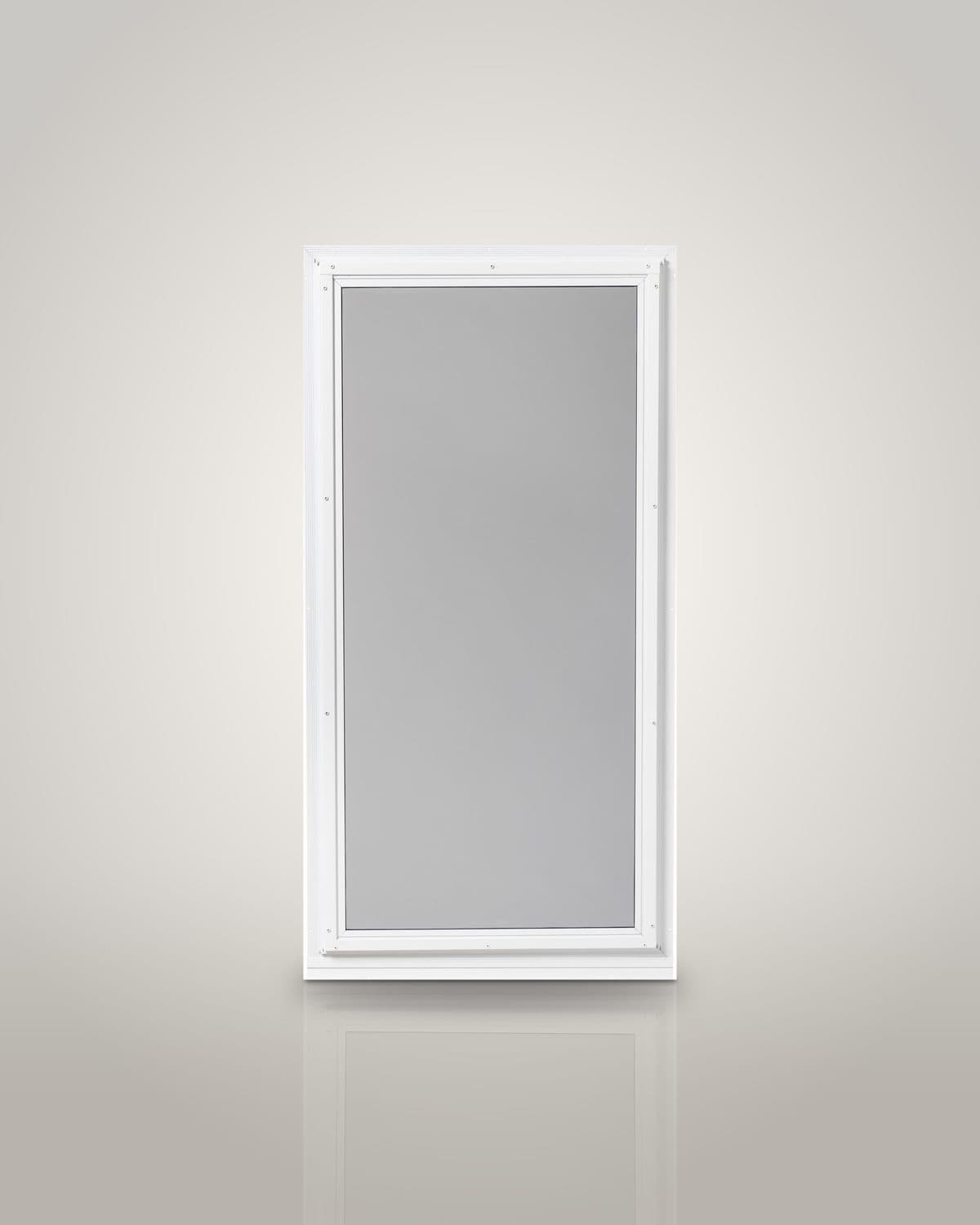
Aluminum Exterior Low-E Picture Window
Also ENERGY STAR certified
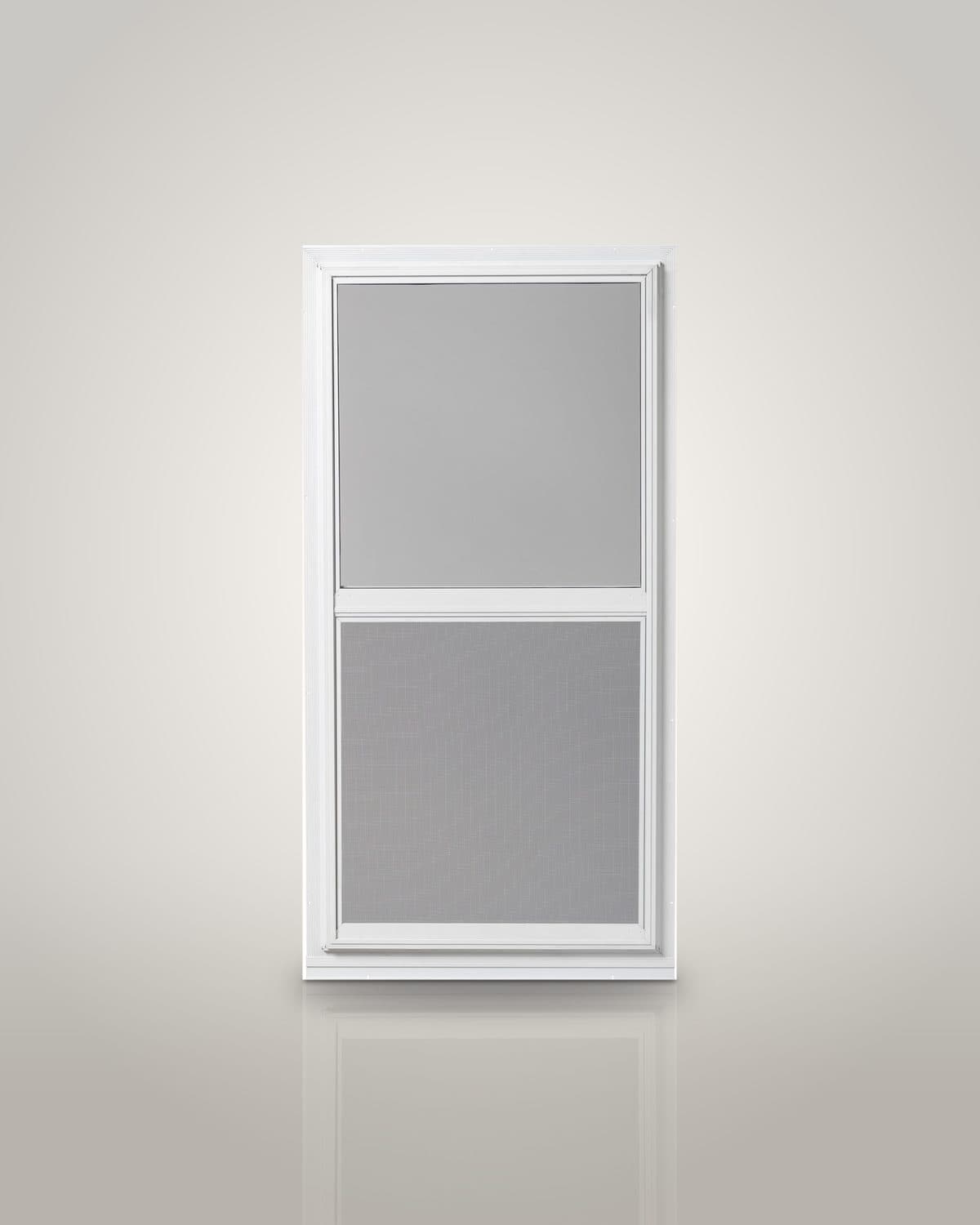
Aluminum Exterior Low-E Double Hung
Also ENERGY STAR certified
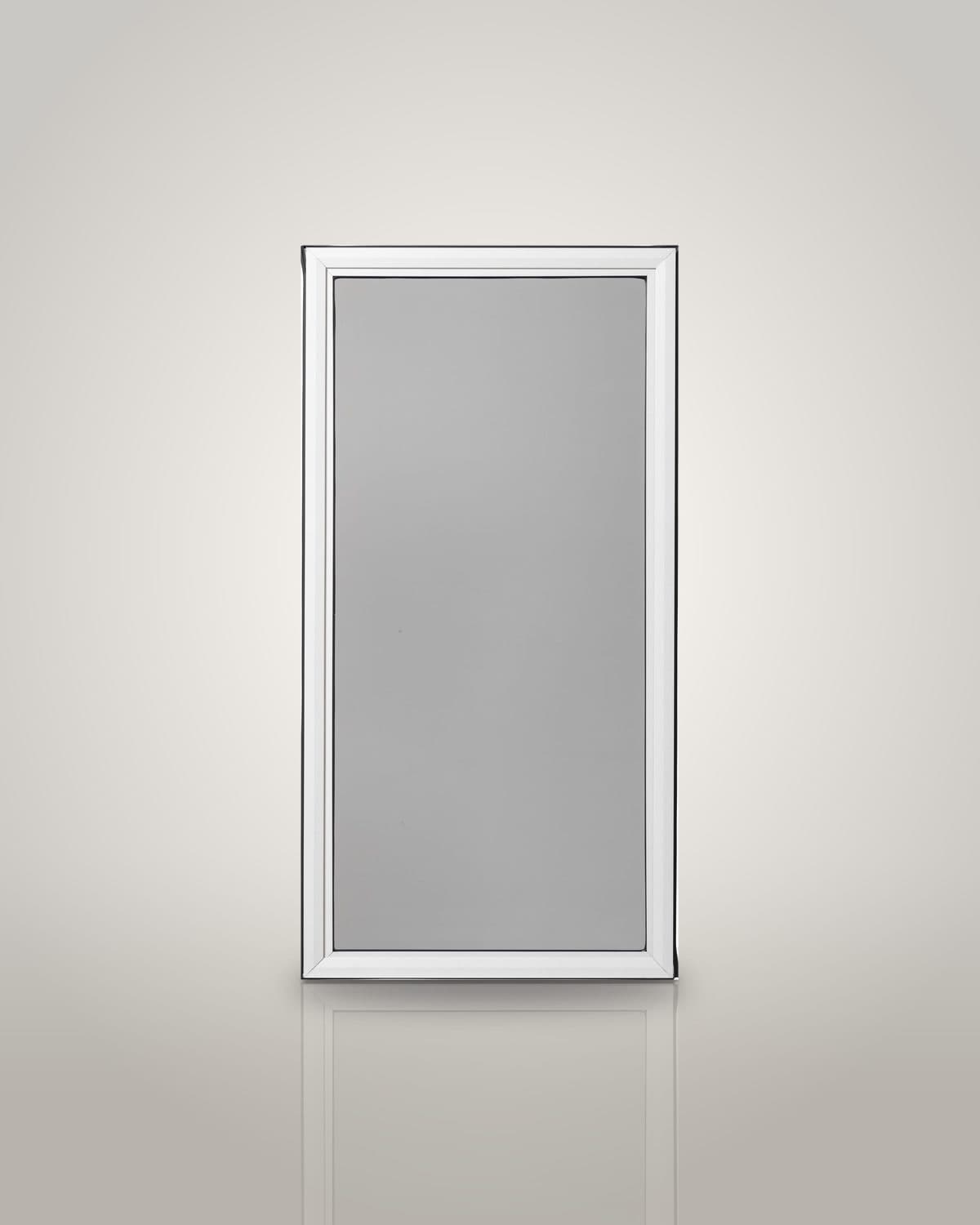
Low-E Aluminum Fixed Interior Storm Window
Also ENERGY STAR certified
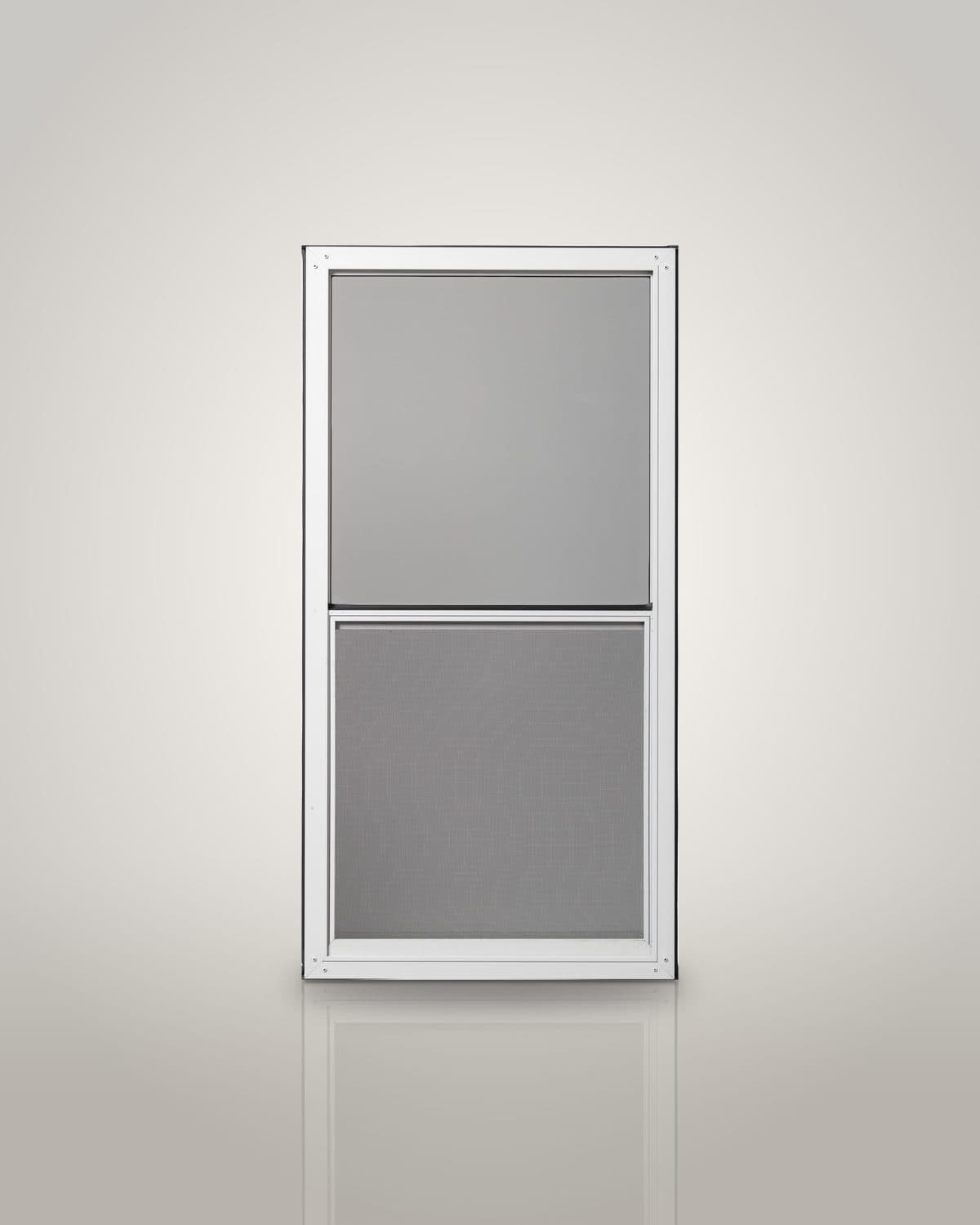
Low-E Aluminum Double-Hung Interior Storm Window with Screen
Also ENERGY STAR certified
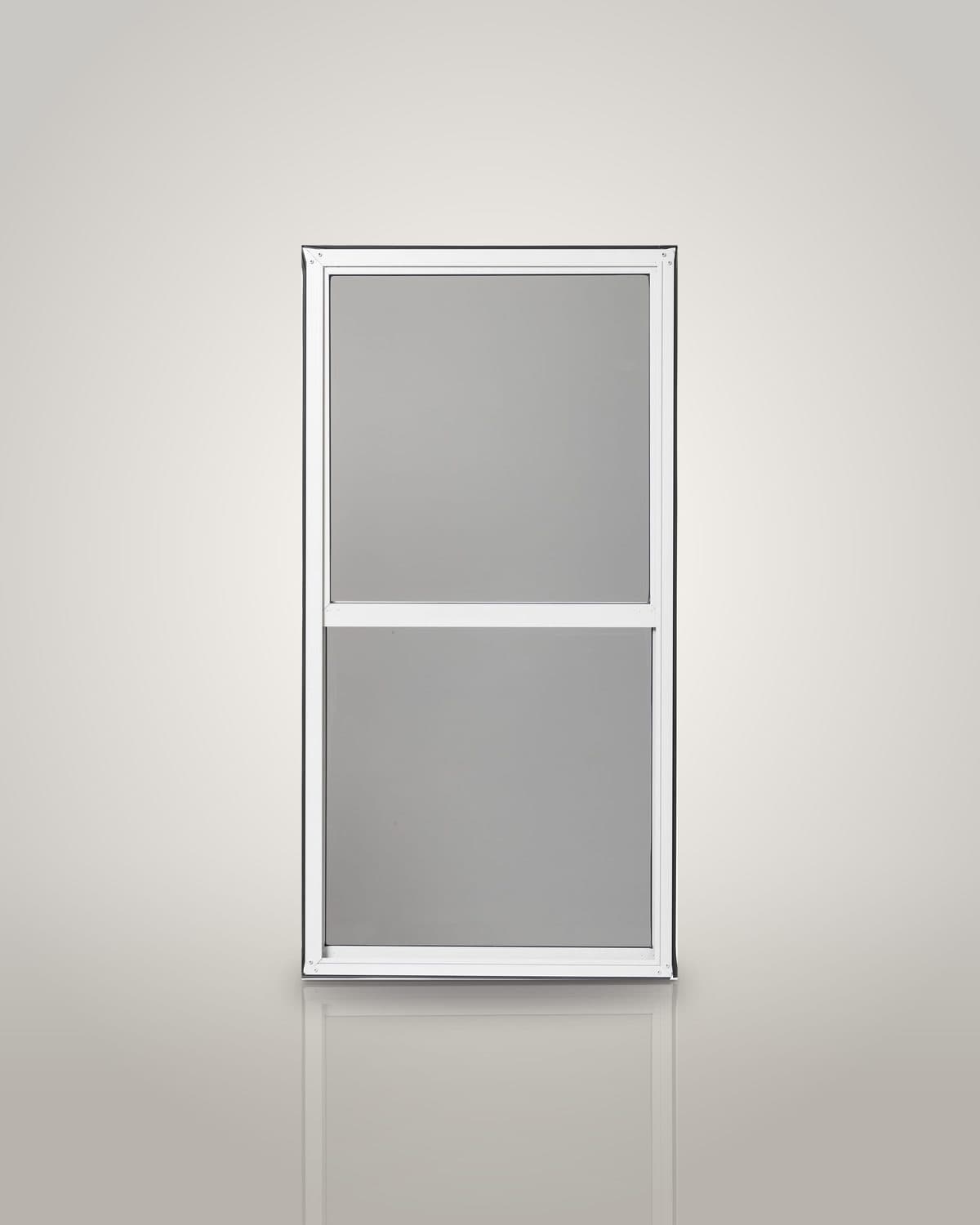
Slim Low-E Aluminum Double-Hung Interior Storm Window
Also ENERGY STAR certified
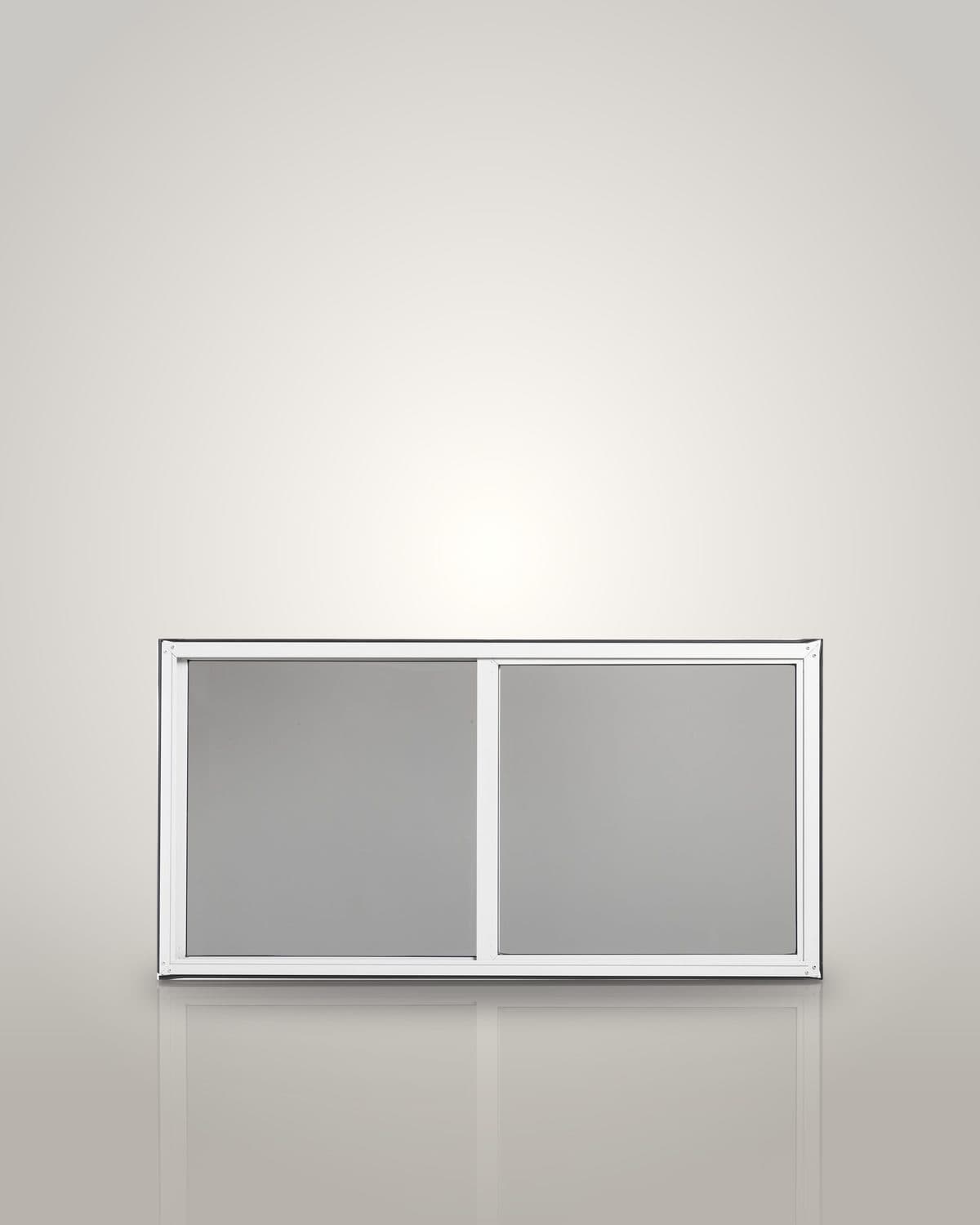
Slim Low-E Aluminum Sliding Interior Storm Window
Also ENERGY STAR certified
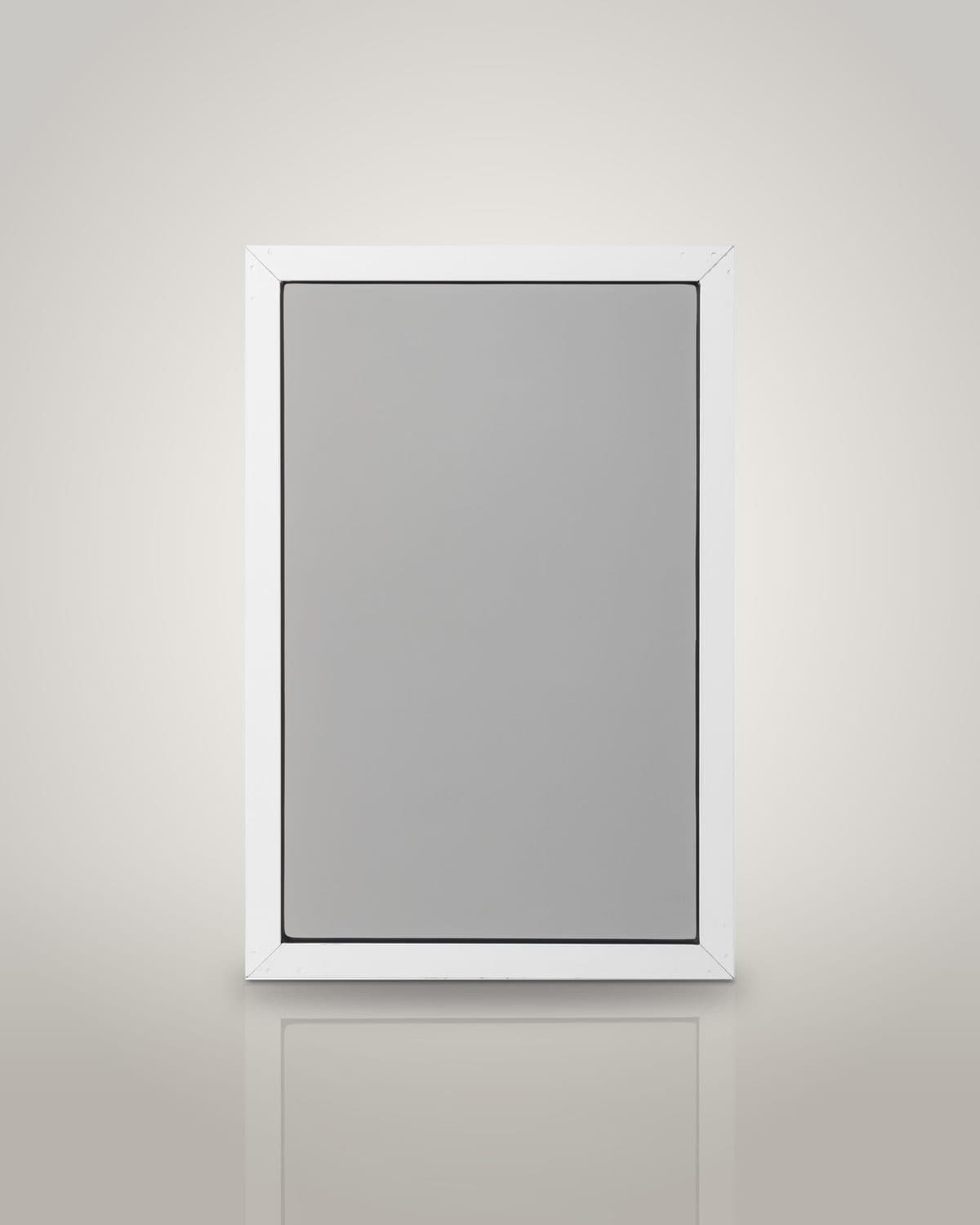
Direct-Mount Low-E Aluminum Storm Panel
Also ENERGY STAR certified
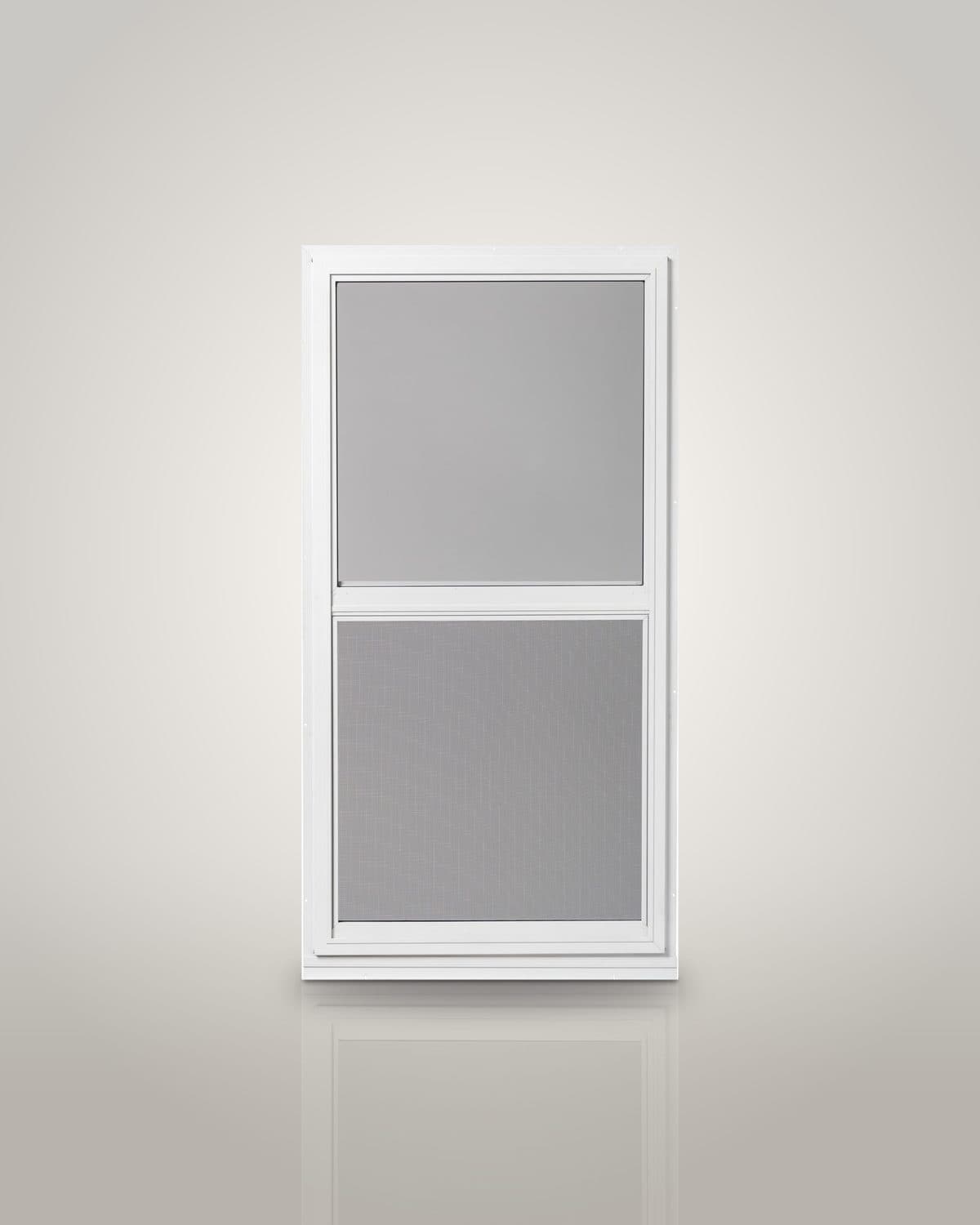
Architectural Aluminum Exterior Double Hung
Also ENERGY STAR certified
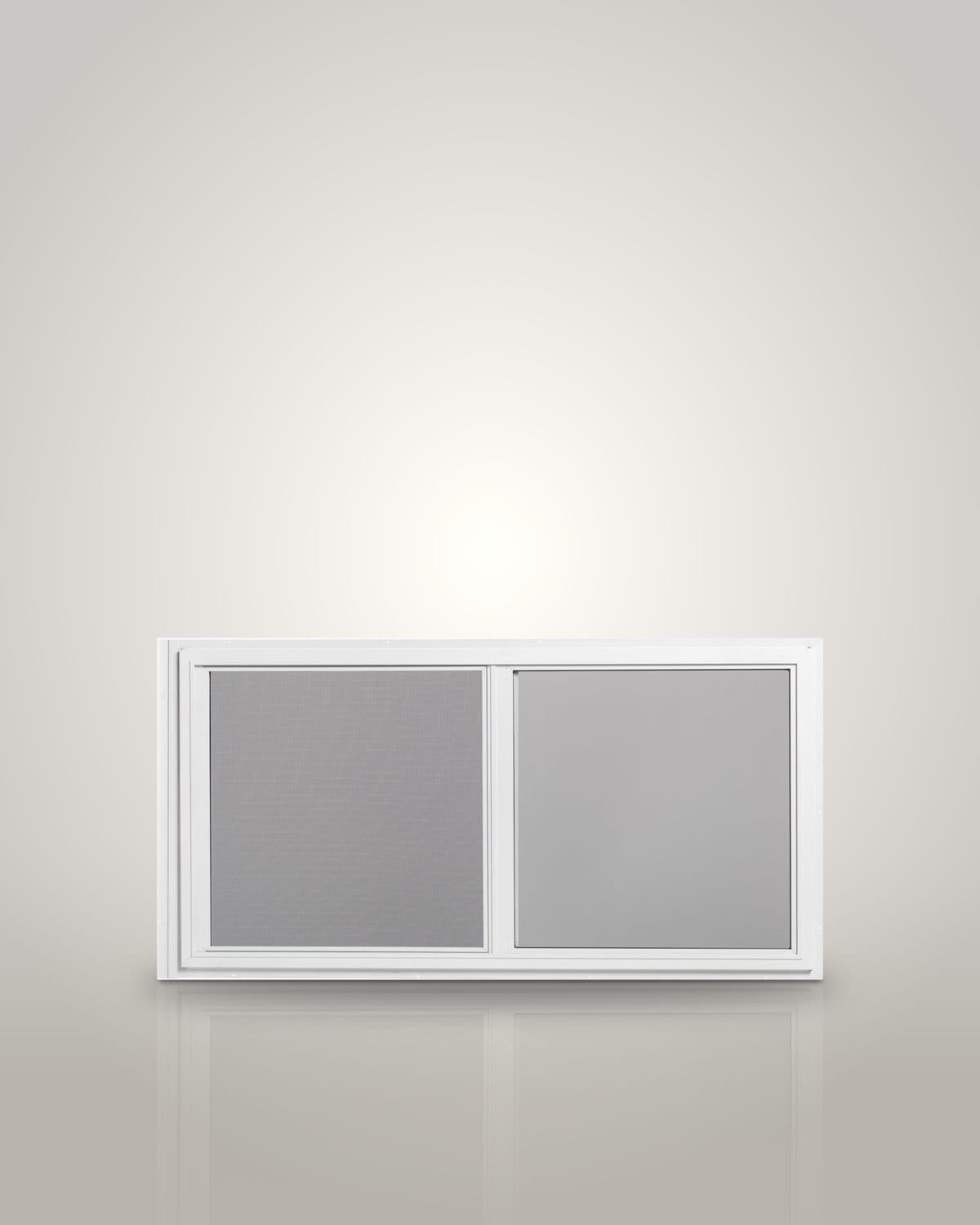
Architectural Aluminum Exterior Slider
Also ENERGY STAR certified
Ratings are given model by model, so not every window we sell carries one. The product page for each window tells you whether it does.
The numbers, window by window
AERC-rated values for the windows listed in the AERC directory, with the window closed. Where a model is rated with two glass options, the Low-E value comes first and the solar control Low-E value second.
Aluminum Exterior Low-E Picture Window
- U-factor
- 0.27
- Solar heat gain
- 0.46 / 0.30
- Visible transmittance
- 0.50 / 0.36
- Air leakage
- 1.09
Aluminum Exterior Low-E Double Hung
- U-factor
- 0.27
- Solar heat gain
- 0.44 / 0.29
- Visible transmittance
- 0.48 / 0.34
- Air leakage
- 1.30
Low-E Aluminum Fixed Interior Storm Window
- U-factor
- 0.25
- Solar heat gain
- 0.49
- Visible transmittance
- 0.53
- Air leakage
- 0.04
Slim Low-E Aluminum Double-Hung Interior Storm Window
- U-factor
- 0.25
- Solar heat gain
- 0.49
- Visible transmittance
- 0.53
- Air leakage
- 0.39
Direct-Mount Low-E Aluminum Storm Panel
- U-factor
- 0.24
- Solar heat gain
- 0.53
- Visible transmittance
- 0.58
- Air leakage
- 0.01
Rated over the AERC baseline window. Source: AERC certified products directory, checked October 2026.
What a rating does and does not do
It gives you trustworthy numbers to compare. It does not repair a worn window, and it does not promise a savings figure for your house.
Fit still matters. A made-to-measure window installed to the instructions will perform better than a loose one, so check that the original window is sound before you add a storm window.
FAQs
What does AERC certified mean?
It means a window attachment, such as a storm window, has been tested and its energy performance has been rated by the Attachments Energy Rating Council, an independent nonprofit. The ratings are published so you can compare models on the same terms.
What is the difference between AERC and ENERGY STAR?
ENERGY STAR sets a bar that a product either meets or does not, for a climate zone. AERC does not pass or fail a product; it rates how the product performs, with numbers such as U-factor, solar heat gain, visible transmittance and air leakage. A window can be AERC rated without being ENERGY STAR certified.
Are all of your storm windows AERC certified?
No. Ratings are given model by model. Several of our Low-E aluminum interior, exterior and direct-mount windows are rated, and others are not. Look for the AERC rated tag on the product photo and the AERC line on the product page.
Is a lower or a higher number better?
It depends on the number. For U-factor and air leakage, lower is better. For solar heat gain, lower blocks more of the sun’s heat and higher lets more in. For visible transmittance, higher means more daylight.
Why do some of your windows list two solar heat gain numbers?
Some models are rated with more than one glass option, for example Low-E and solar control Low-E. Each glass has its own solar heat gain and visible transmittance, so each gets its own rating.
Where can I look up a rating myself?
AERC publishes a public certified products directory. If you would like the directory listing for one of our windows, ask us and we will send it.
Does a rating promise a specific savings amount?
No. A rating describes the product under standard test conditions. What you save depends on your climate, your existing window, how well the storm window fits and your utility rates.
What does AERC rate besides storm windows?
AERC rates window attachments in general, which also include things like window shades and cellular blinds, so a rating lets you compare different ways of improving a window you already own.
Are storm windows eligible for tax credits or rebates?
The federal Energy Efficient Home Improvement Credit ended for property placed in service after December 31, 2025, so there is no current federal credit for windows. Some utilities, states and local programs still offer efficiency rebates, and many ask for ENERGY STAR certified or AERC-rated products. Programs and amounts vary, so check with yours before you buy. We cannot promise any specific rebate, but we can supply certification details for a model on request.
What is the difference between the Northern and Southern ENERGY STAR zones?
ENERGY STAR certifies storm windows for climate zones. A model listed for the Northern zone has glass that lets in more solar heat, which suits colder climates. A model listed for the Southern zone has glass that blocks more solar heat, which suits warmer ones. Some models are listed for both. Choose a window listed for where you live.
What is an insulating glass system (IGS), and how is it different from an IGU?
An insulating glass system mounts over the window you already have, and the still air between the two windows is the insulating layer; the added glass is typically Low-E coated. An insulating glass unit (IGU) seals two or more panes together at the edge, usually with gas inside, and is part of a replacement window. A system has no sealed edge or gas fill to fail, and your original window stays in place.
Source: Attachments Energy Rating Council, certified products directory; checked October 2026.
Find the right storm window for your home
Choose your style, then enter your measurements for a made-to-measure window.