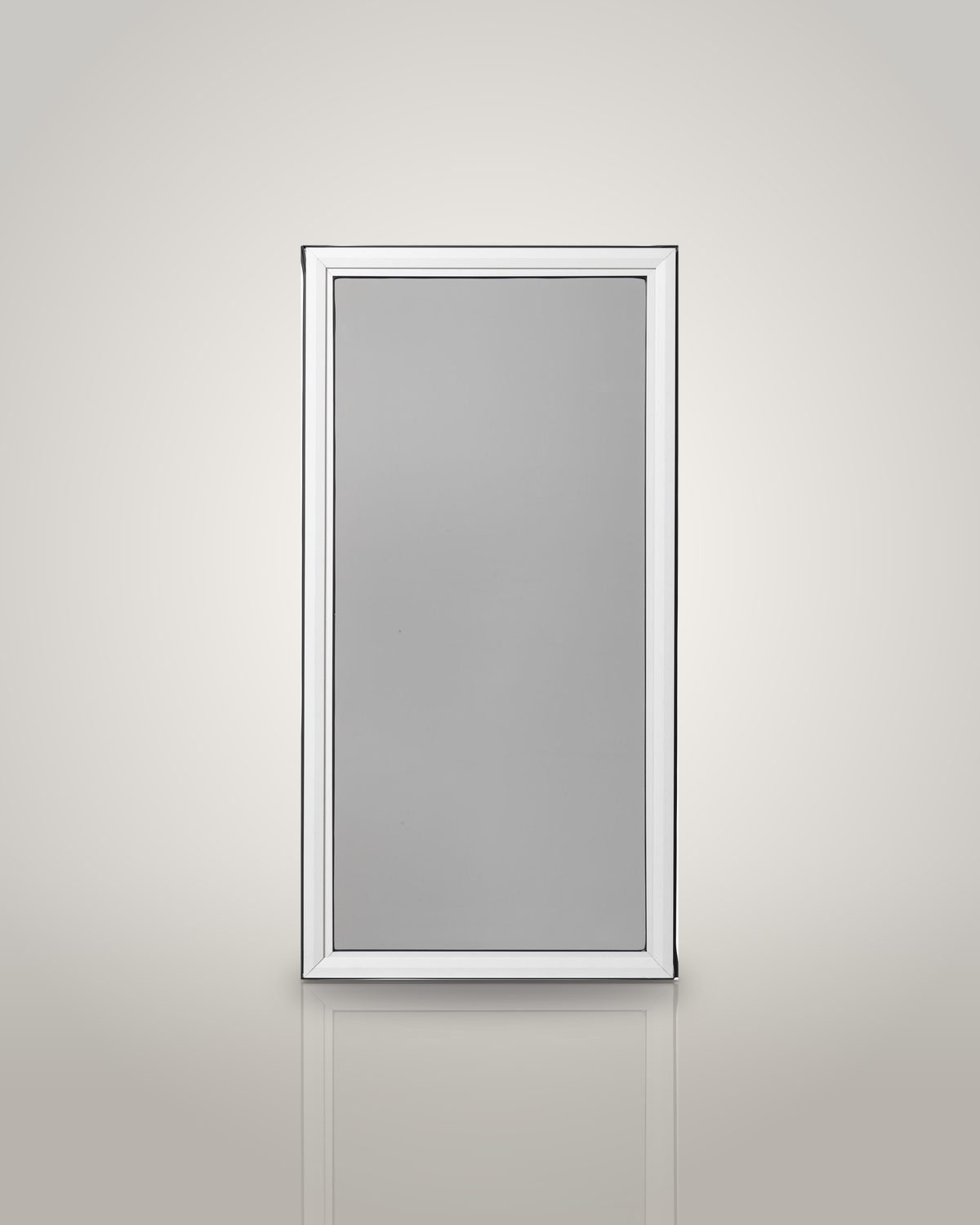
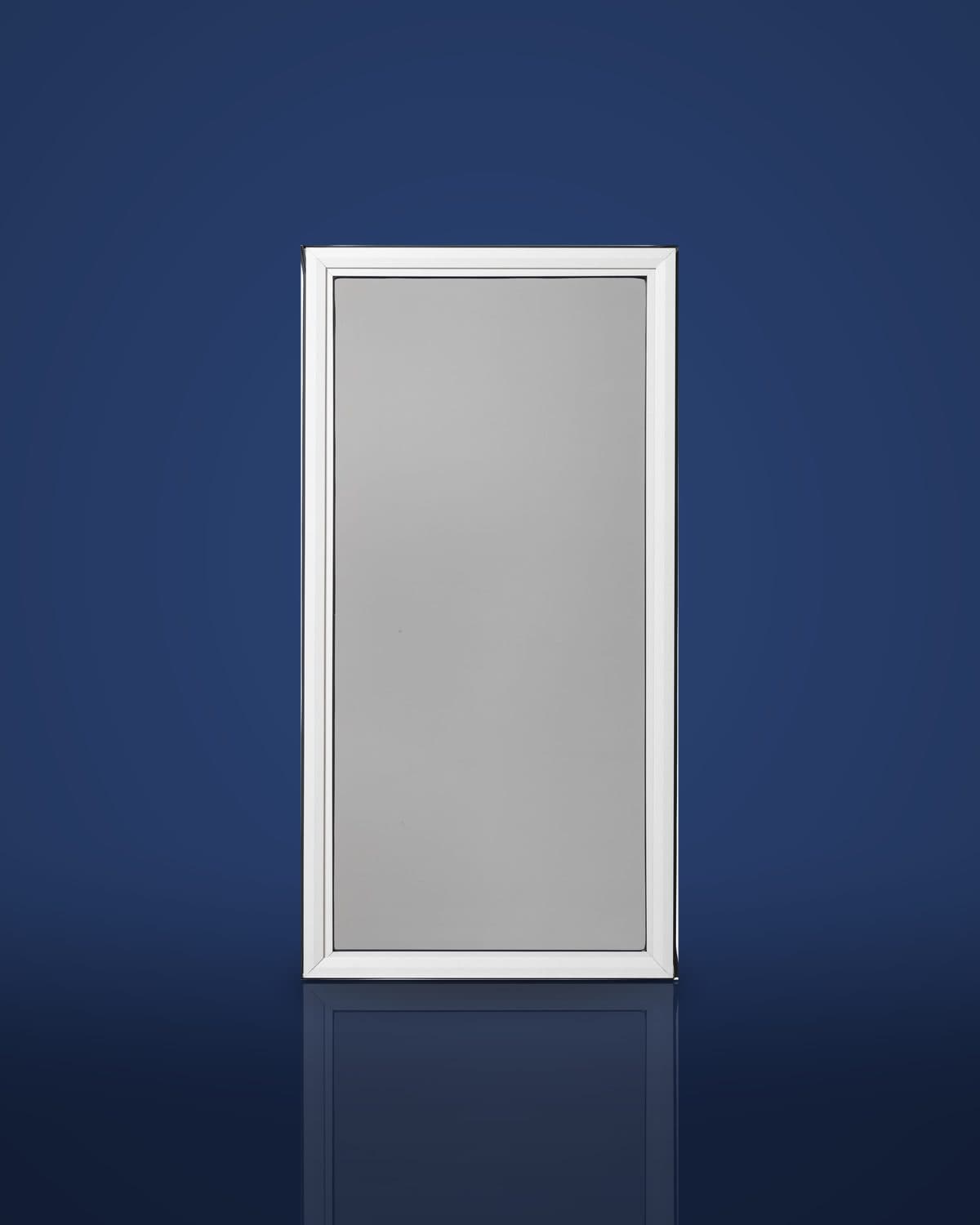

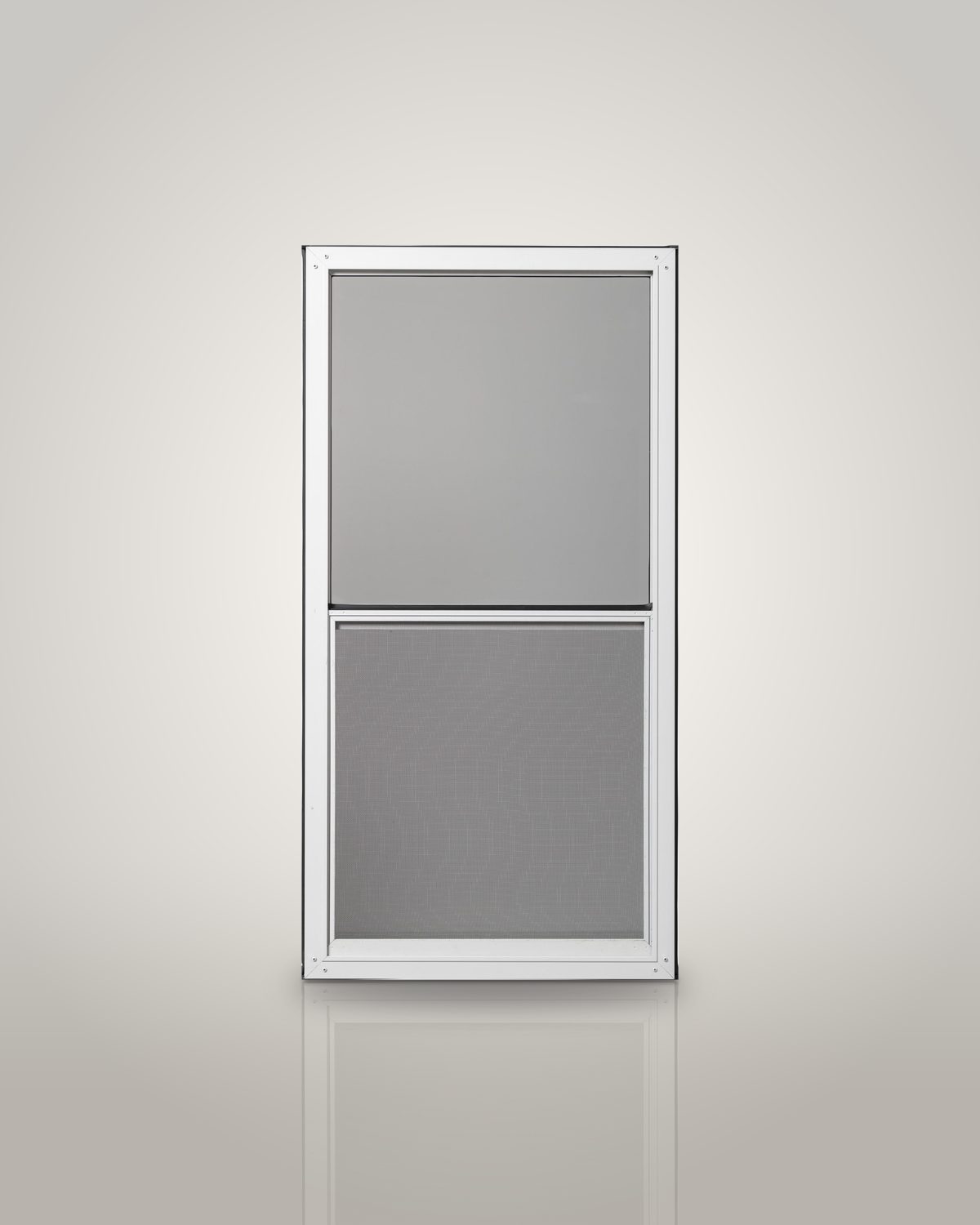
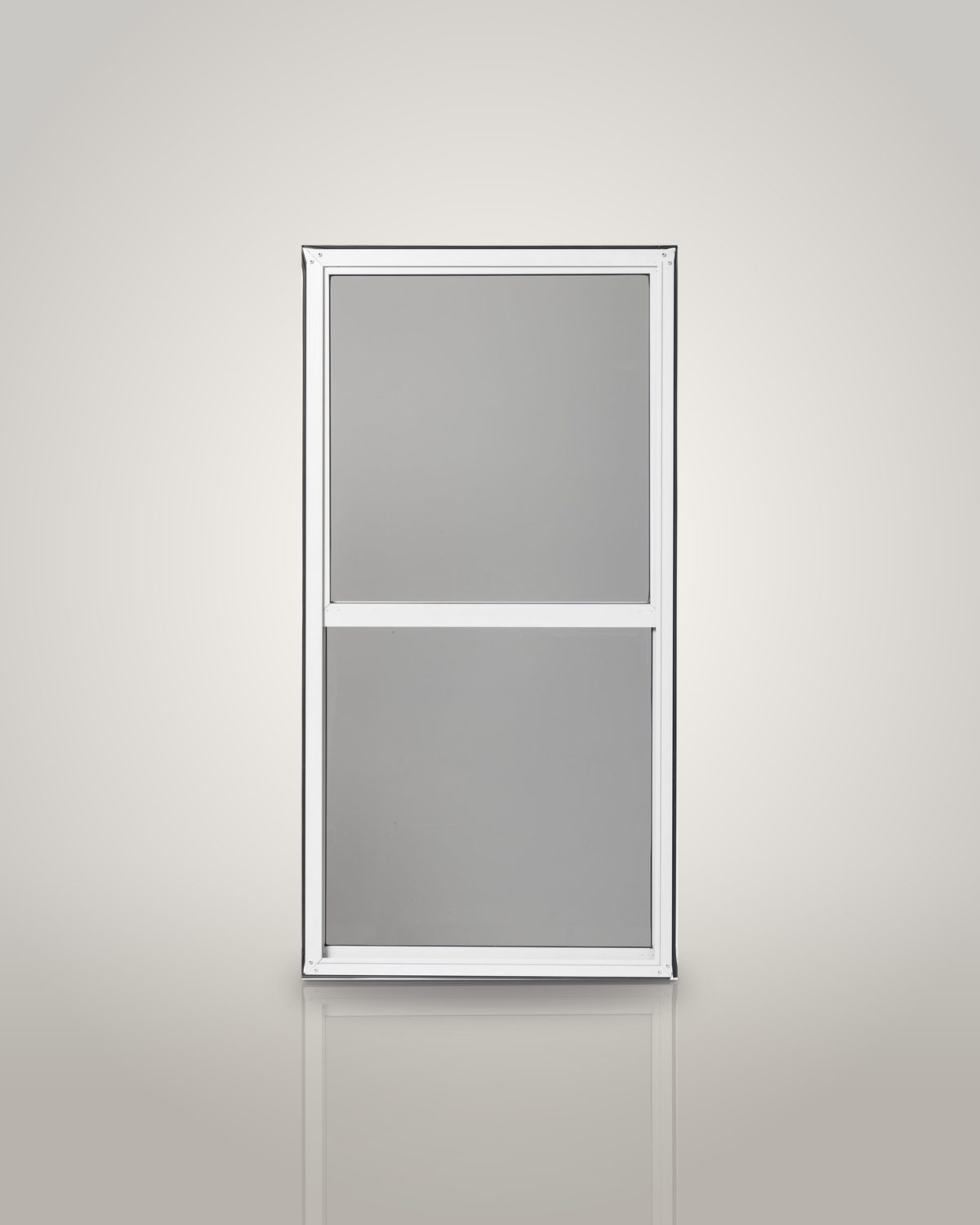
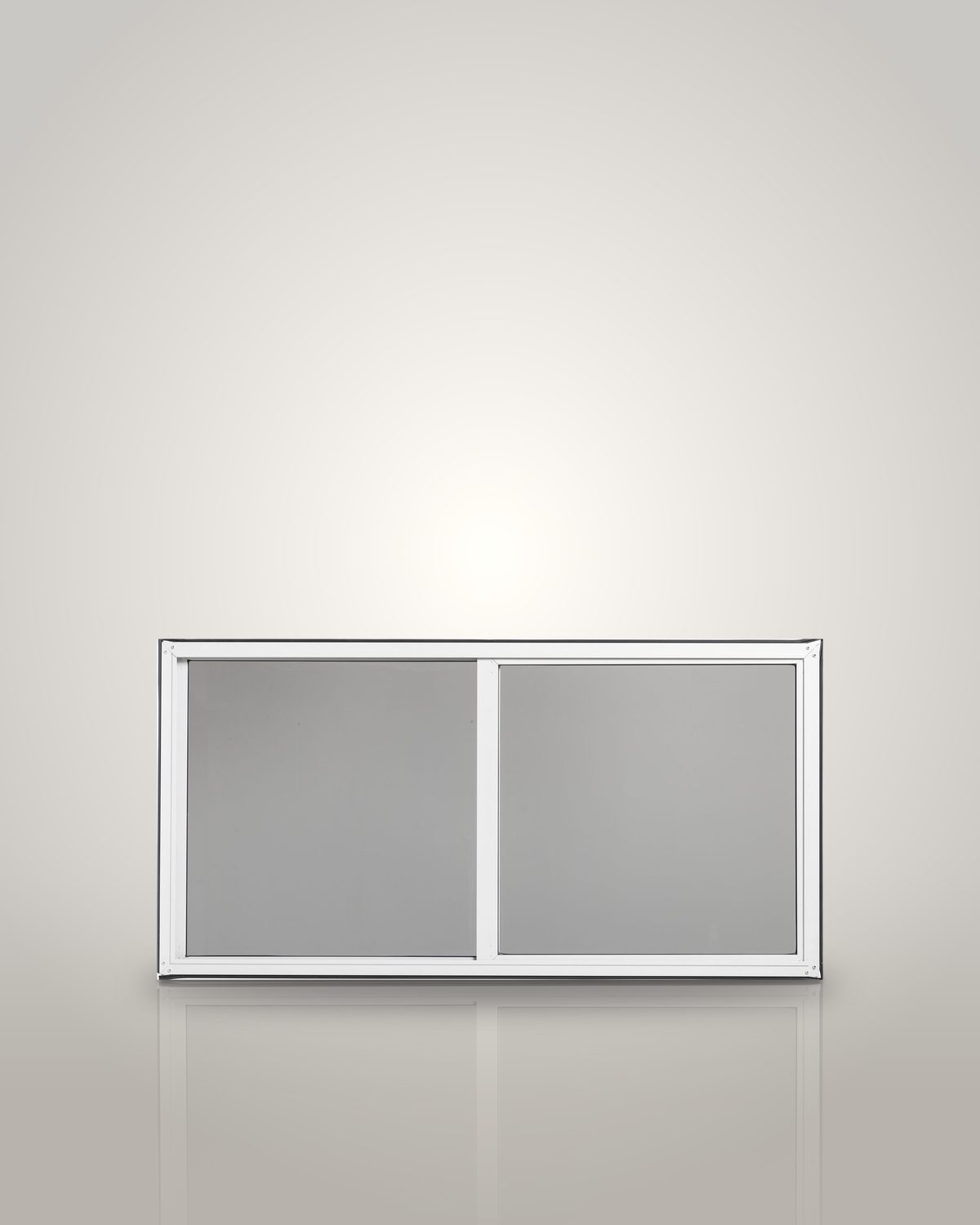
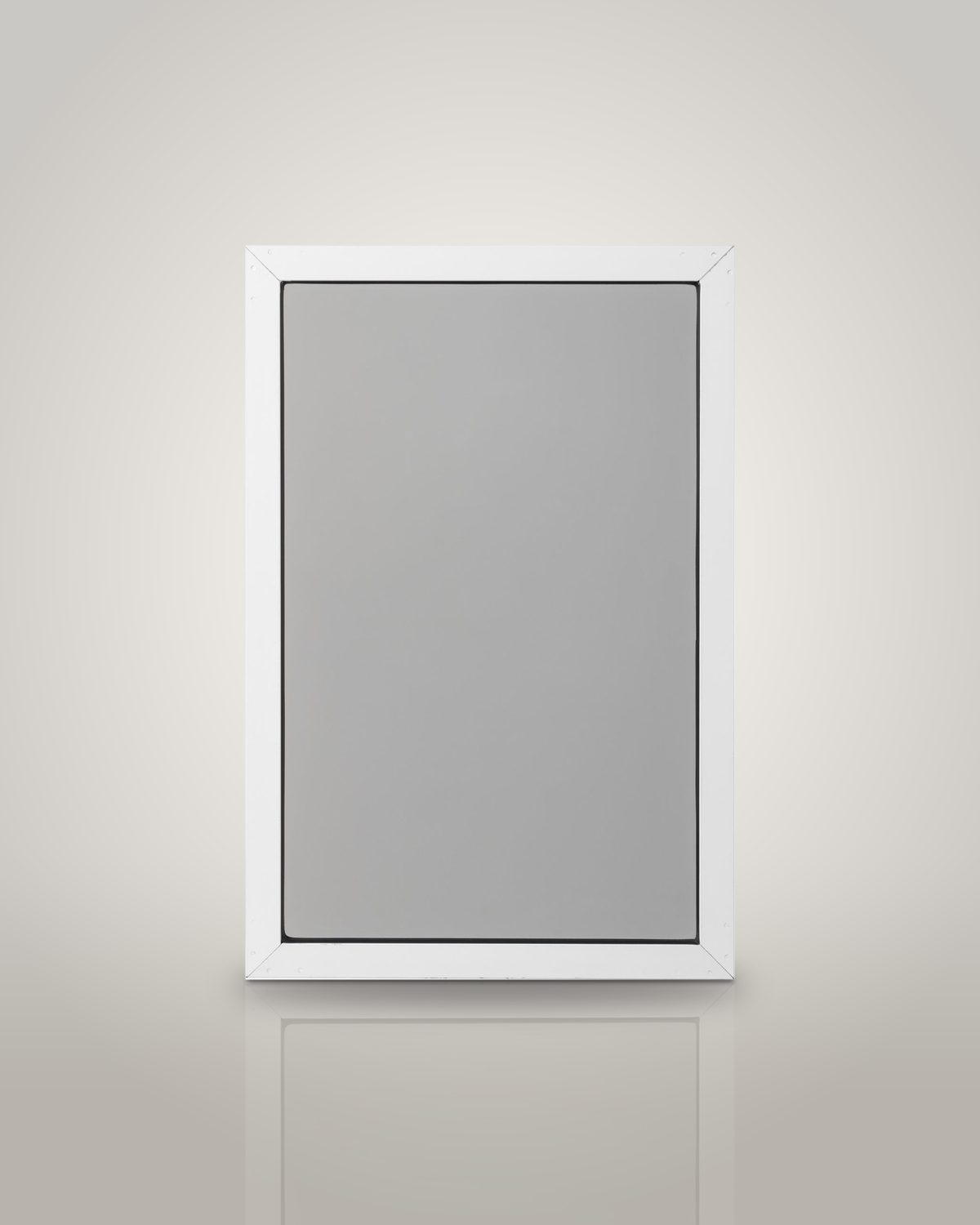
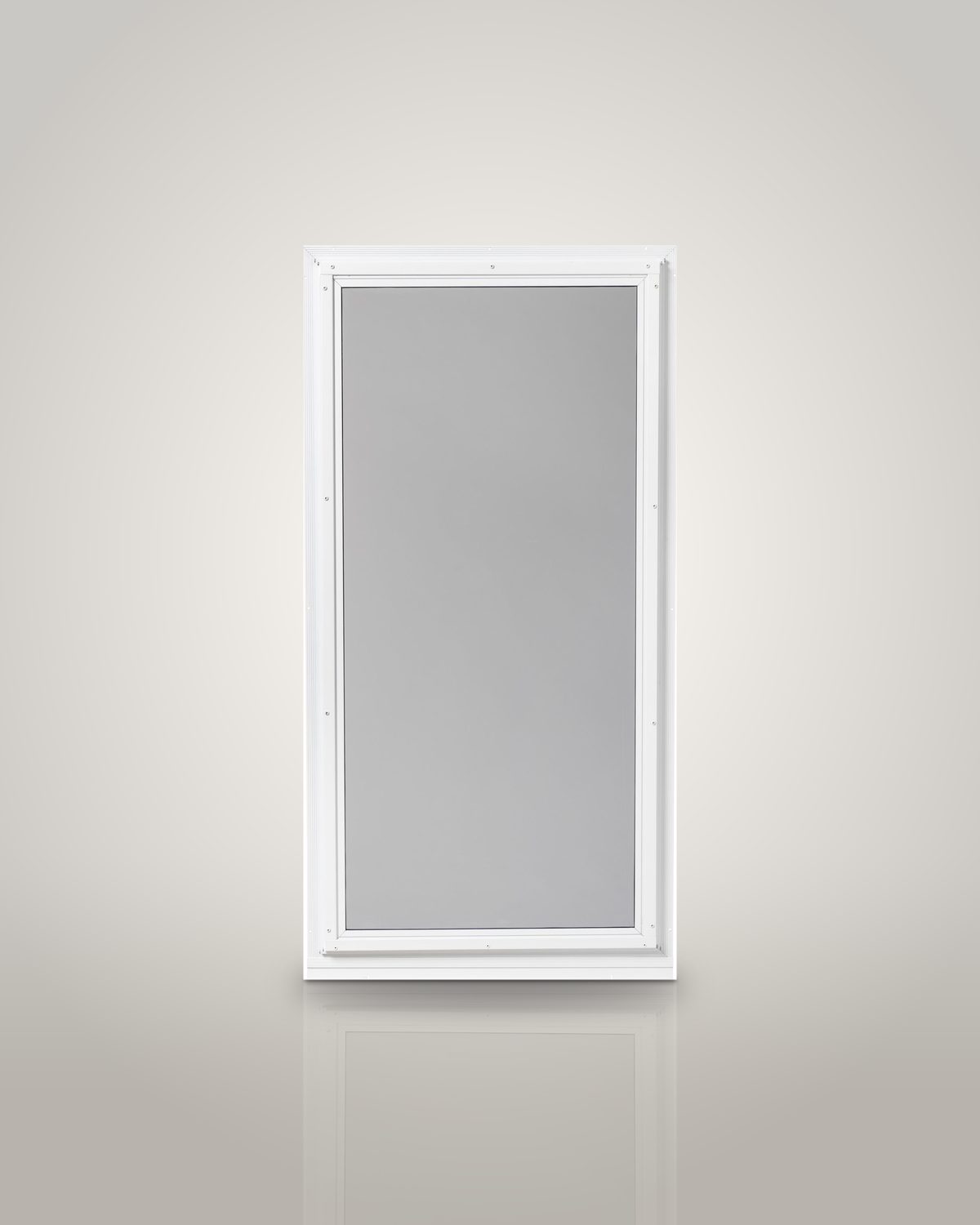
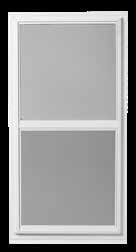
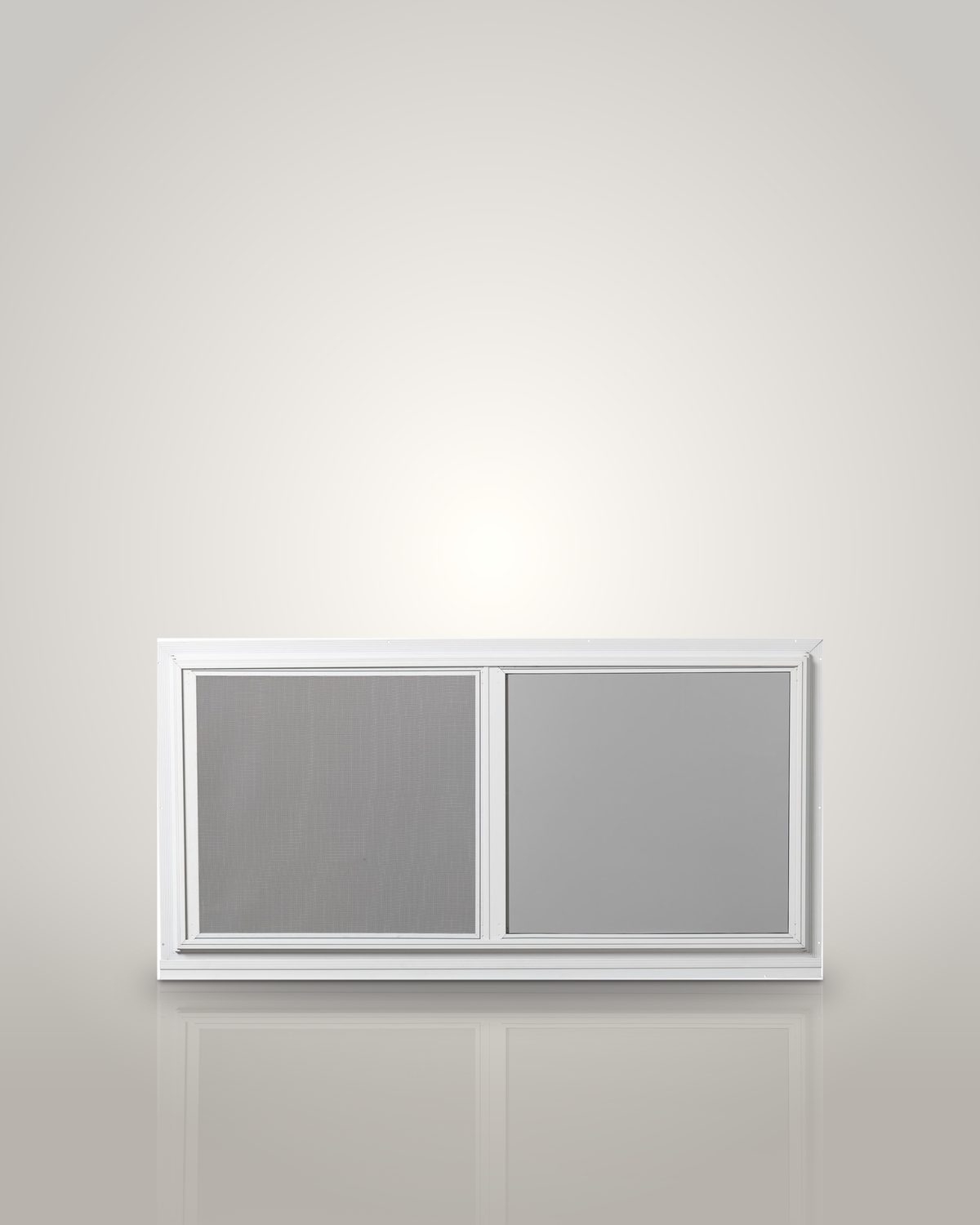
Low-E Aluminum Fixed Interior Storm Window
- White
- Brown
- Custom colors on request
Choose size & optionsInterior
Low-E glass
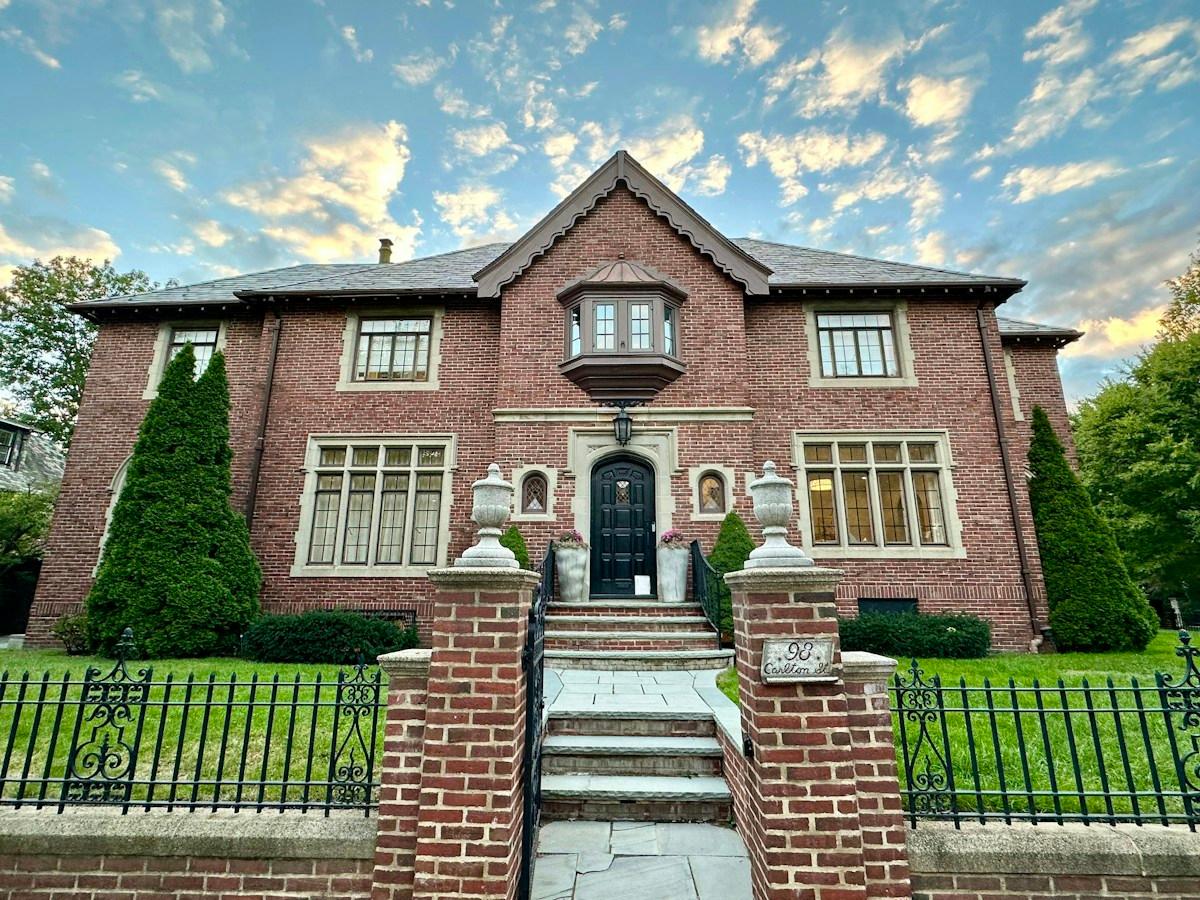
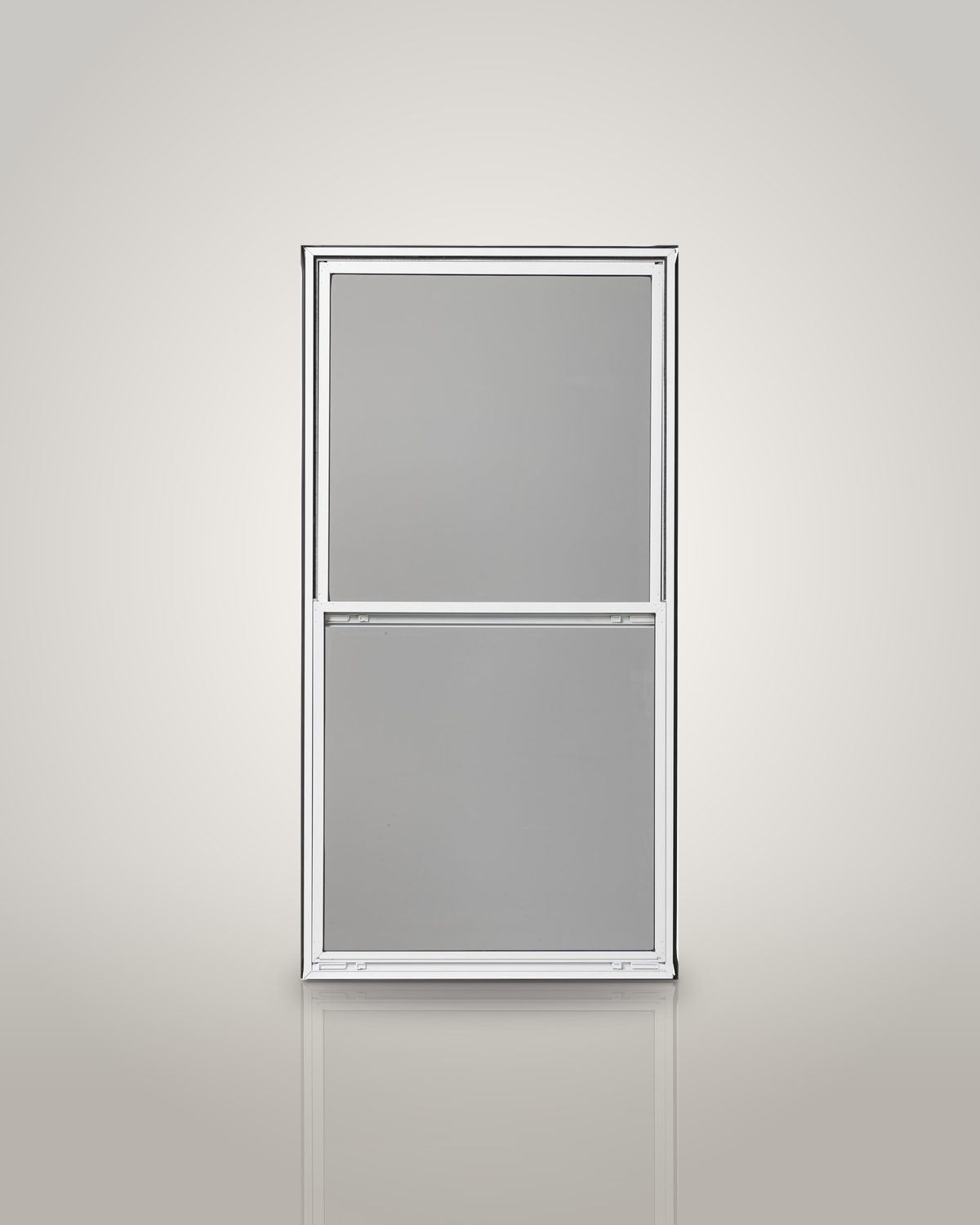
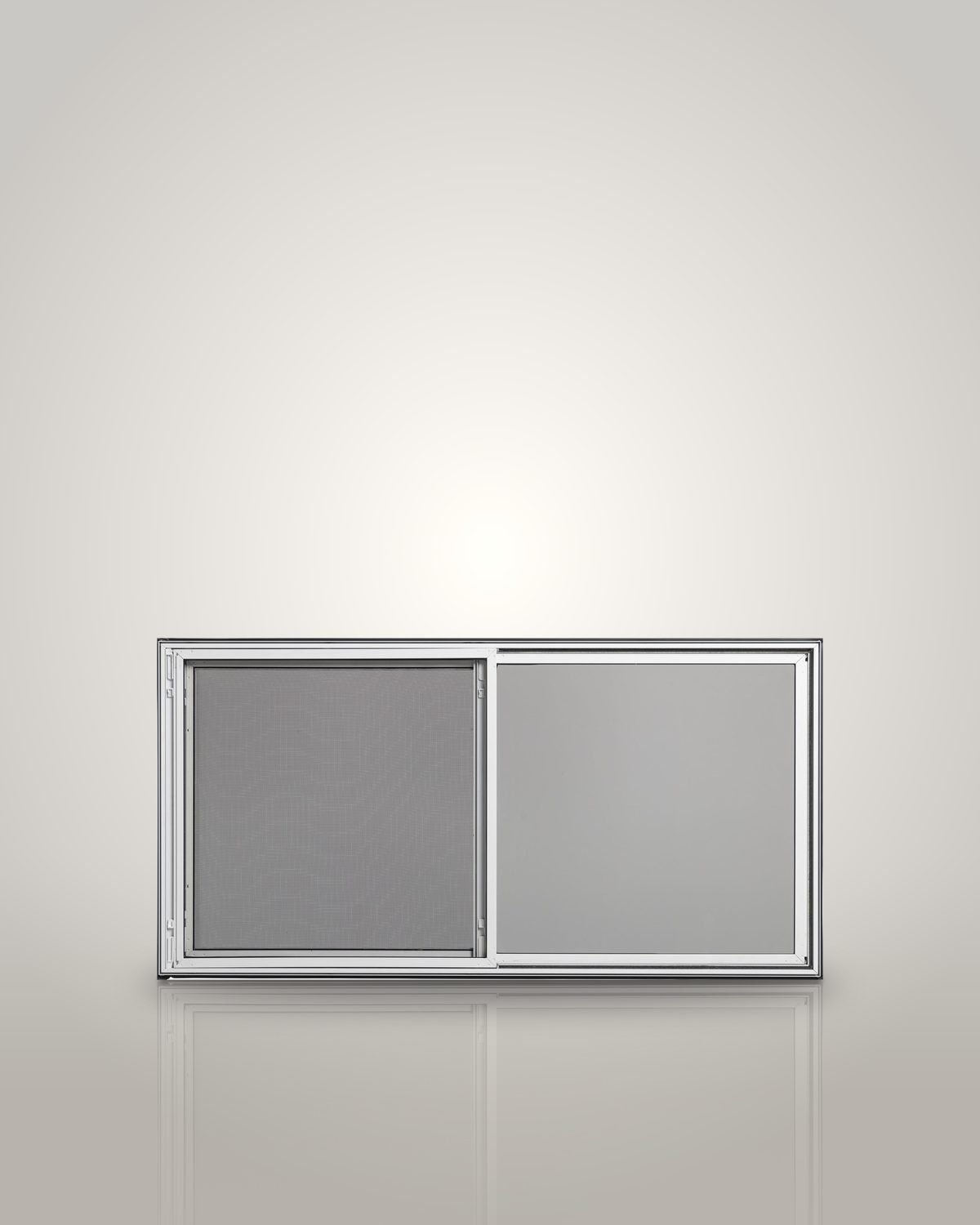
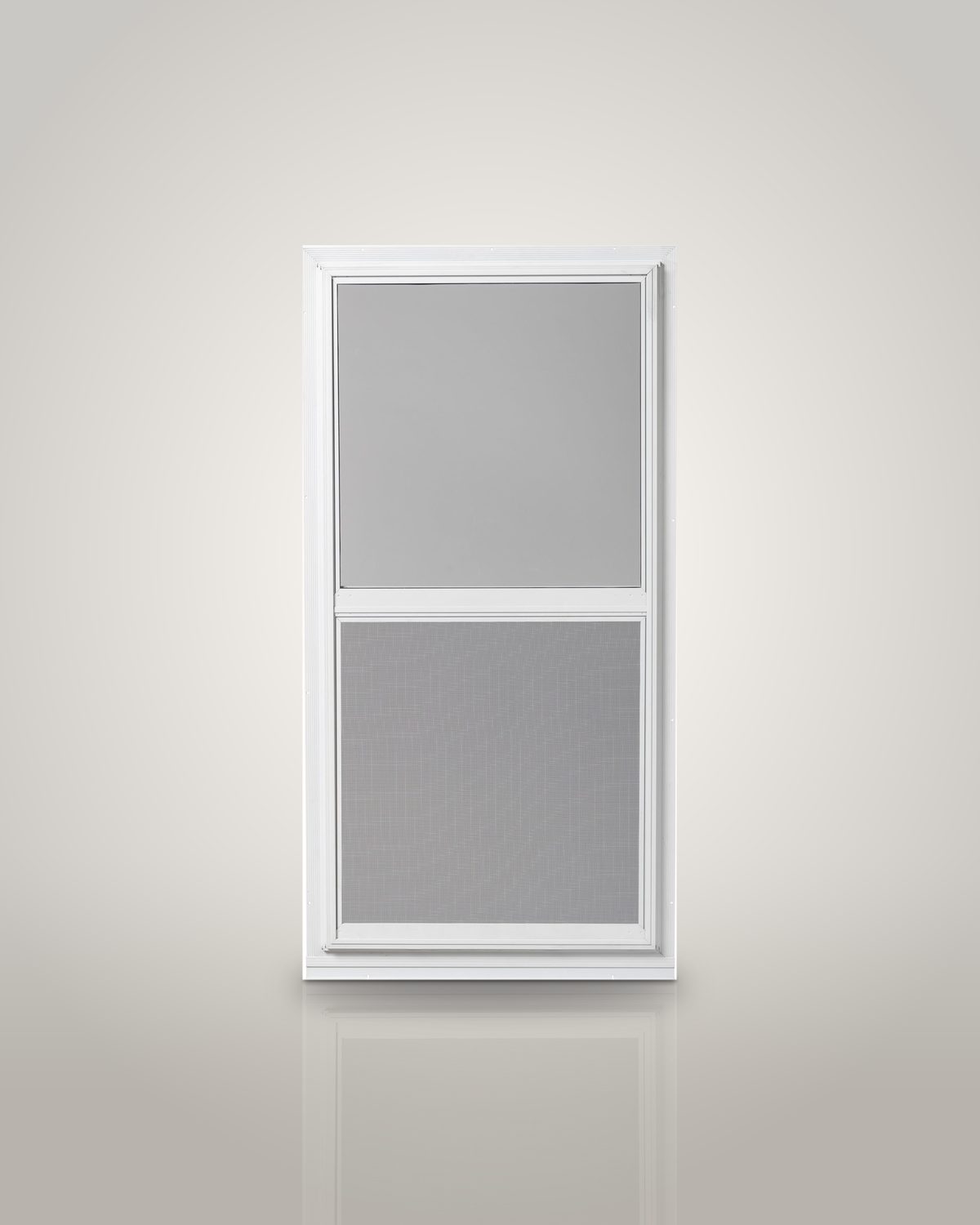
Compare custom low-e aluminum storm windows. Choose the mounting style, frame, glass, and operation for your opening.
Low-E glass
Low-E glass
Low-E glass
Low-E glass
Low-E glass
Low-E glass
Low-E glass
Low-E glass
Low-E glass
Low-E glass
Low-E glass
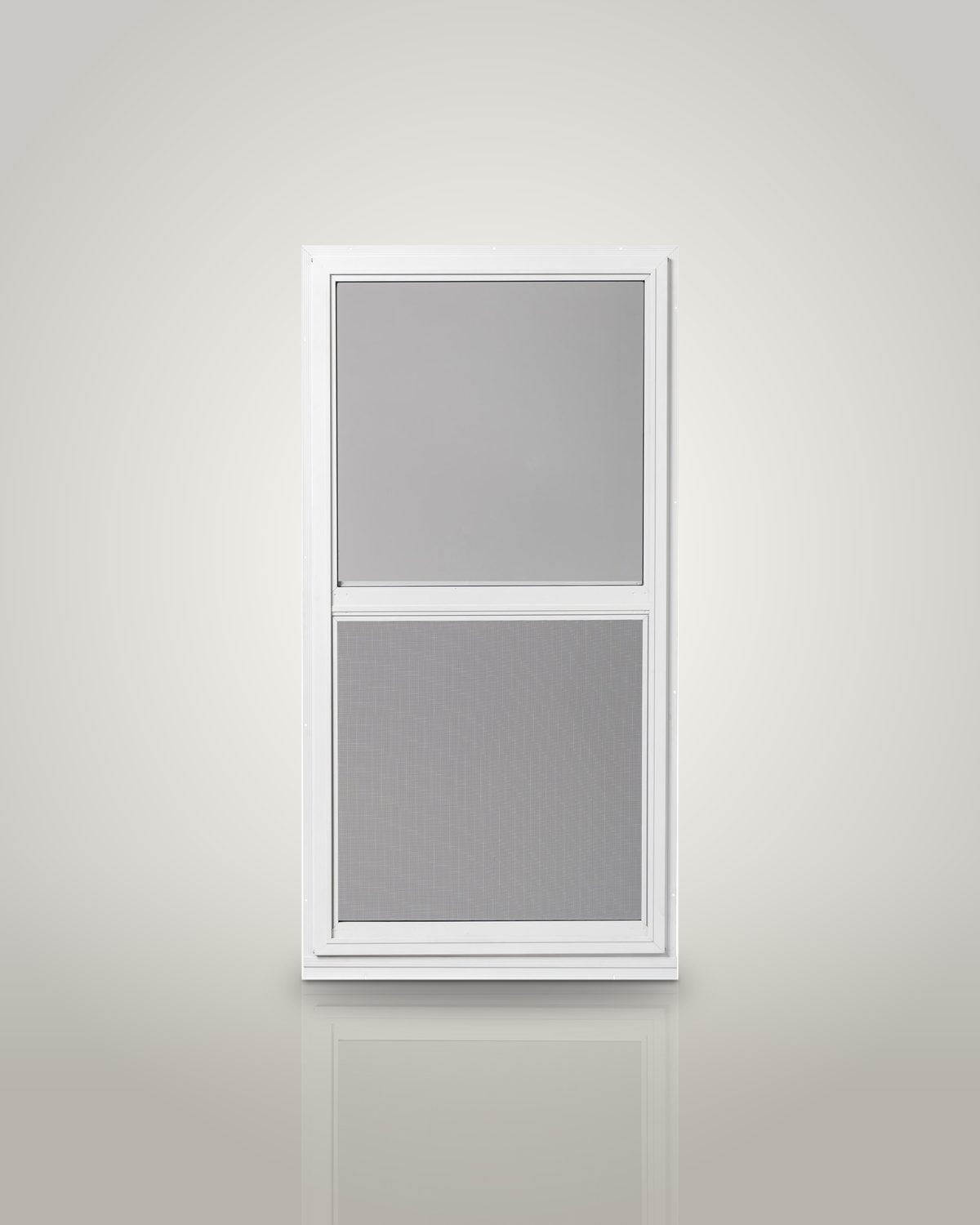
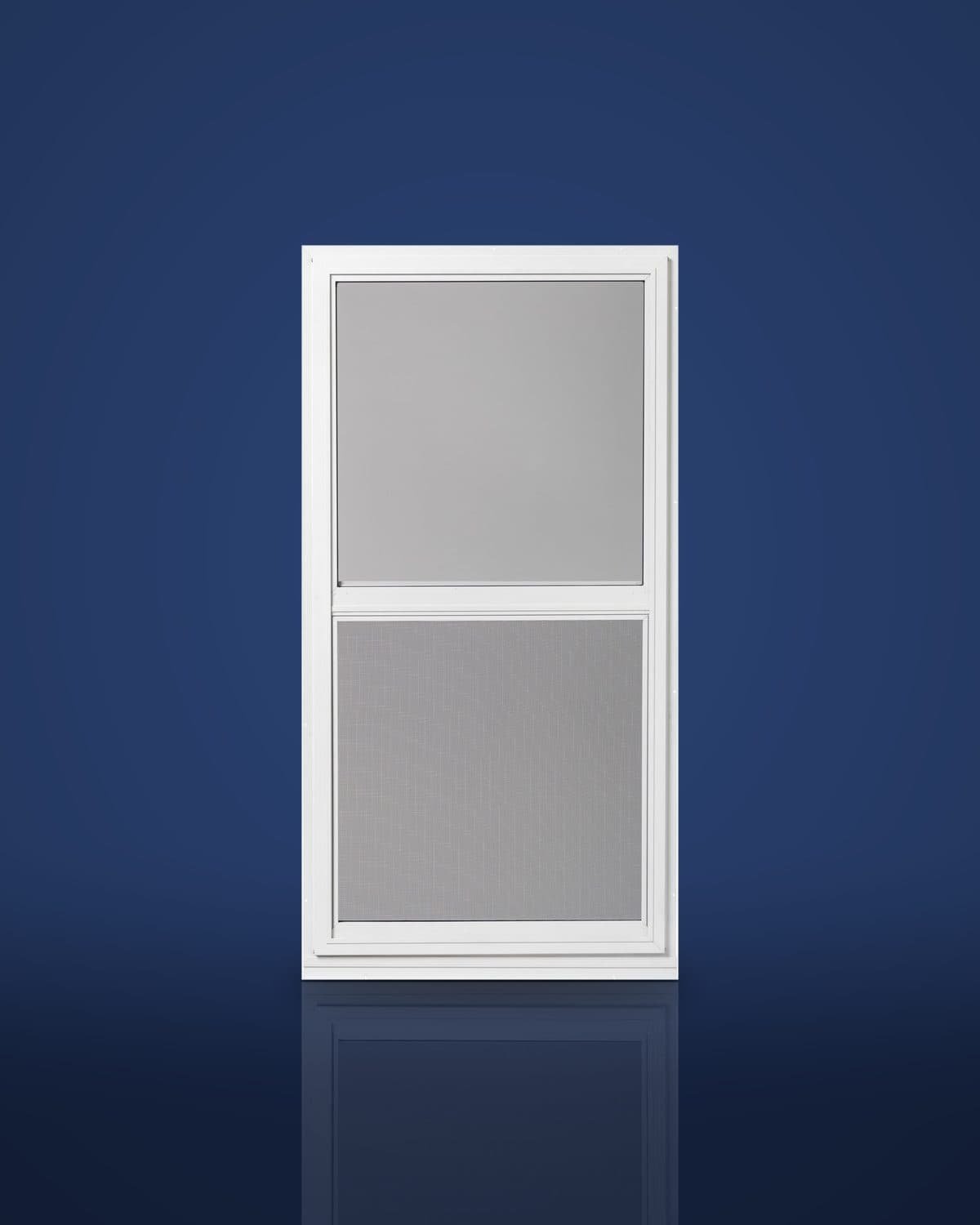
Low-E glass
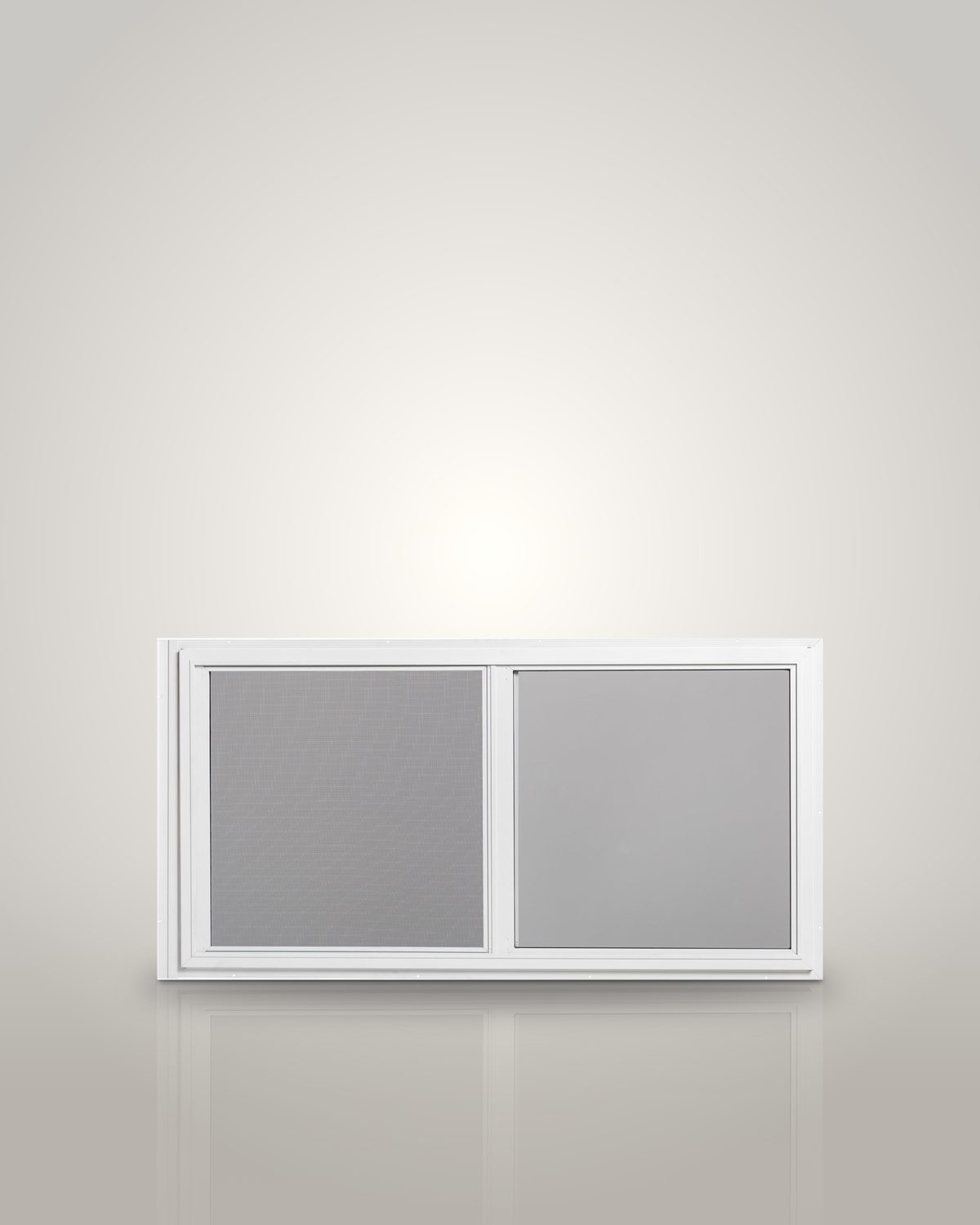
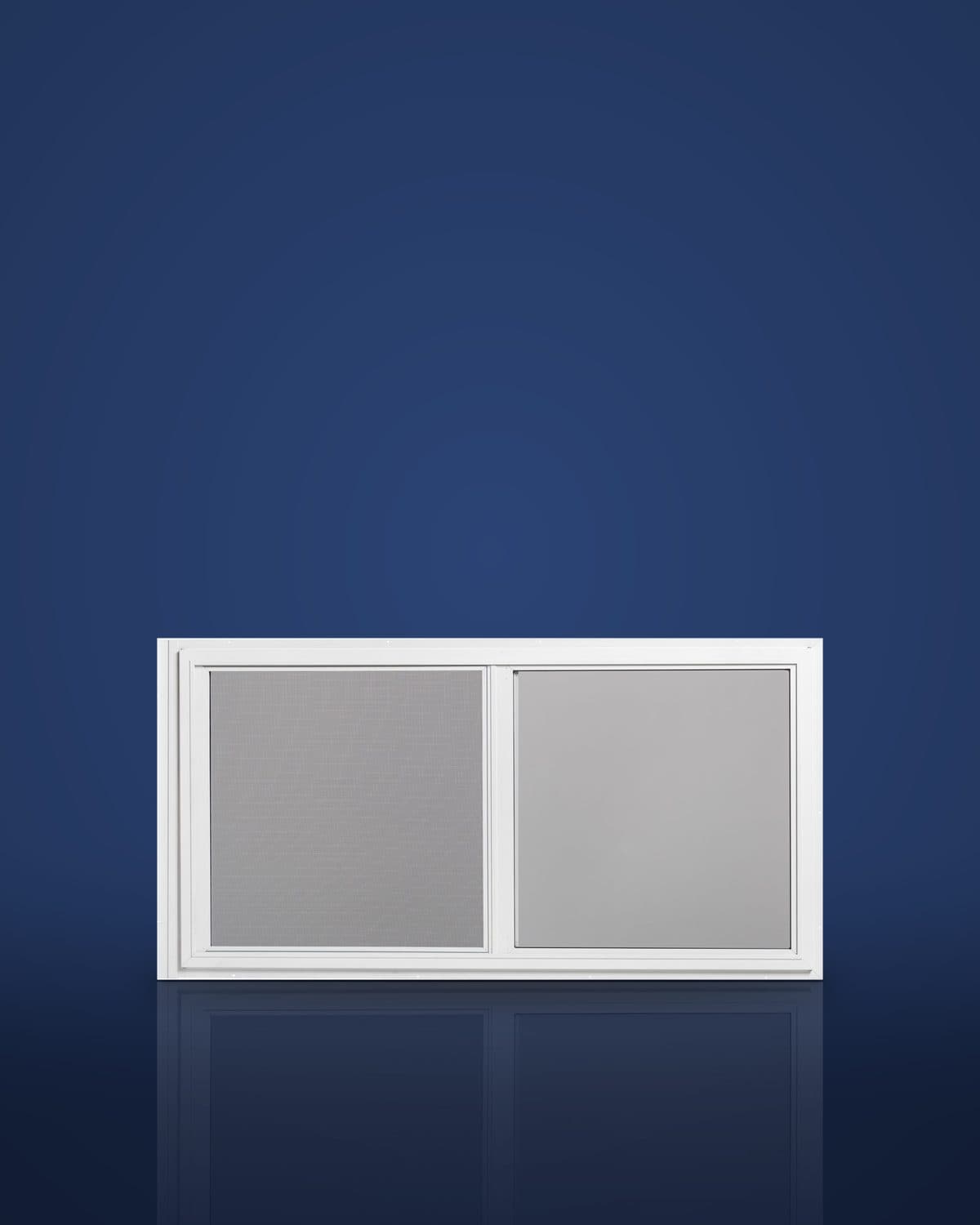
Low-E glass
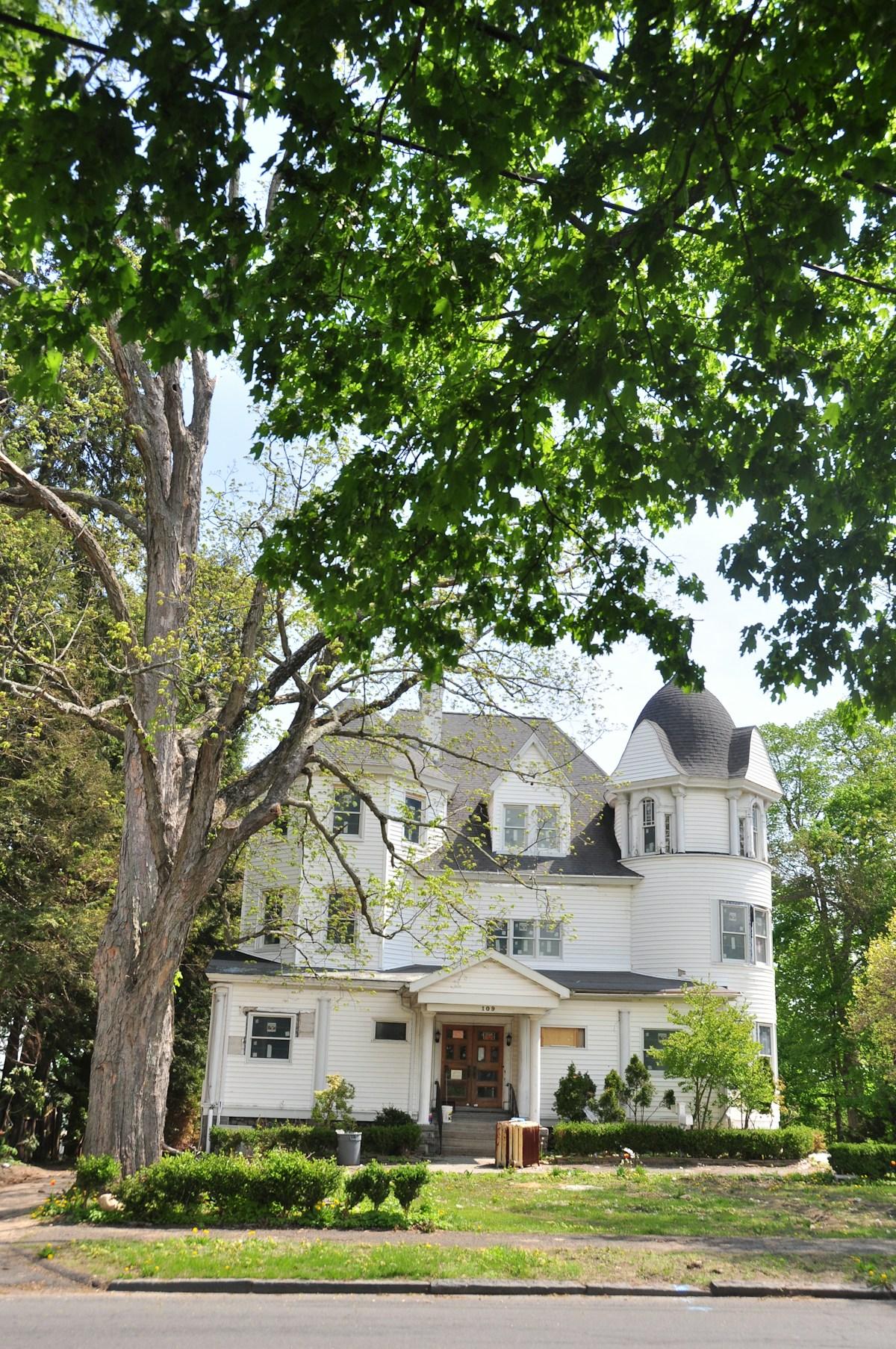
Start with where your storm window will mount and how your existing window opens. Explore interior storm windows for an inside-mounted layer, exterior storm windows for fixed or ventilating openings, or Low-E storm windows for additional glazing options. Check the mounting requirements and use our measuring guides before ordering.
Dimensions determine the size of your frame and glass. Glass options, frame finish, and configuration (including fixed or operating panels, track count) also affect the price. Configure your chosen product for available pricing, or request a quote for details that need review.

Comprehensive guides, installation manuals, and expert tips for your storm window project.
Read the Guide
Step-by-step instructions for accurately measuring your windows for custom storm windows.
Read the Guide
Detailed installation instructions and video tutorials for all storm window types.
Read the Guide
Learn about energy savings, protection benefits, and long-term value of storm windows.
Read the Guide
Complete guide to different storm window styles and their applications.
Read the Guide
Discover innovative ways to use storm windows beyond traditional applications.
Read the GuideThe EPA estimates that ENERGY STAR certified low-e storm windows save homeowners about $350 a year, roughly 10 percent of heating and cooling bills, compared with single-pane clear glass windows without existing storm windows. Your savings depend on your climate, your home and your utility rates.
The EPA estimates the added cost of ENERGY STAR certified storm windows pays back in about three years. As an illustration, divide your project cost by $350: a $1,050 project would earn that back in three years at $350 a year. Your own cost and savings will differ.
The EPA calls its estimates conservative. They are still estimates, and actual savings depend on your climate, your home and your utility rates.
An insulating glass system mounts over the window you already have, and the still air between the two windows is the insulating layer; the added glass is typically Low-E coated. An insulating glass unit (IGU) seals two or more panes together at the edge, usually with gas inside, and is part of a replacement window. A system has no sealed edge or gas fill to fail, and your original window stays in place.
It means the specific model has been tested and its energy performance, such as U-factor, solar heat gain, visible transmittance and air leakage, has been rated by AERC. Ratings belong to the model, so not every window we sell carries one. Look for the AERC rated tag on the product photo and the AERC line on the product page.
The federal Energy Efficient Home Improvement Credit ended for property placed in service after December 31, 2025, so there is no current federal credit for windows. Some utilities, states and local programs still offer efficiency rebates, and many ask for ENERGY STAR certified or AERC-rated products. Programs and amounts vary, so check with yours before you buy. We cannot promise any specific rebate, but we can supply certification details for a model on request.
The Attachments Energy Rating Council (AERC) is an independent, nonprofit organization that rates the energy performance of window attachments, a group that includes storm windows. Its ratings are published in a public directory so products can be compared on the same terms.
ENERGY STAR sets a bar that a model either meets or does not, for a climate zone. AERC does not pass or fail a product; it rates how the product performs, with numbers you can compare. A window can carry one label, both or neither.
They can come close. Slim and low-profile frames use very narrow sightlines, and a frame color matched to your existing trim keeps the added window quiet. Custom colors are available if you need a closer match. No storm window is truly invisible, but a well-chosen low-profile style lets the original window stay the focus.
We offer installation coordination through our installer network, and we do our best to connect you with a qualified local installer. Availability in your area is not guaranteed. You can also install the windows yourself using our installation guides, or hire a local handyman or contractor. We are growing the network and welcome professionals who would like to join.
Custom sizes for the windows already in your home.
Add a protective layer while keeping your existing windows.
Compare frame finishes, glass, and opening styles before ordering.
Measuring and installation guides, with a team you can contact for help.
Keep your existing windows, compare the storm-window approach and measure for the product you select.
Follow the measuring instructions for your window type.
Choose the mounting approach that suits the existing window.
Review ventilation and operating differences before configuring.