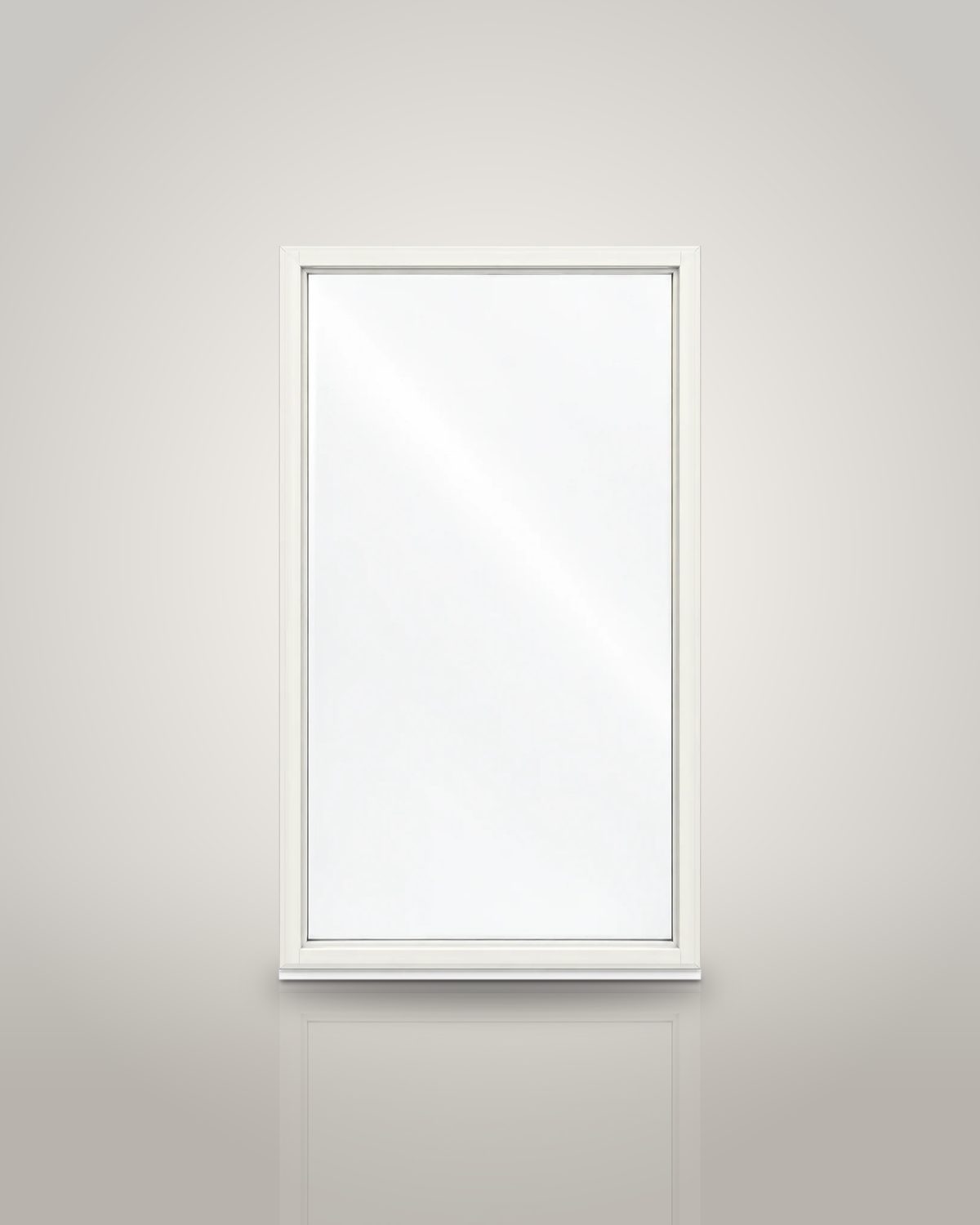



Compare vinyl and aluminum interior storm windows with low-emissivity glass while retaining the primary window and its original appearance.

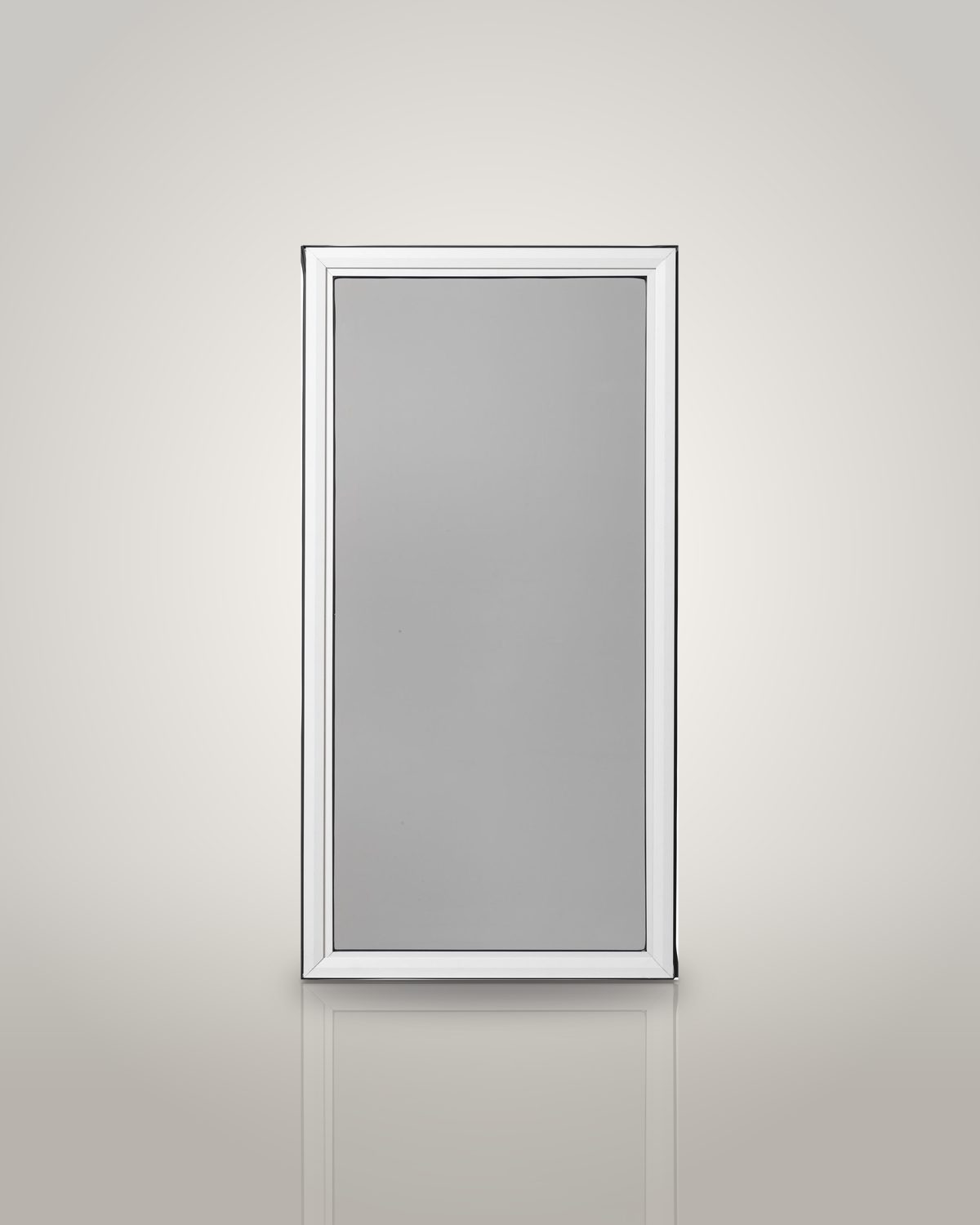


Low-E glass
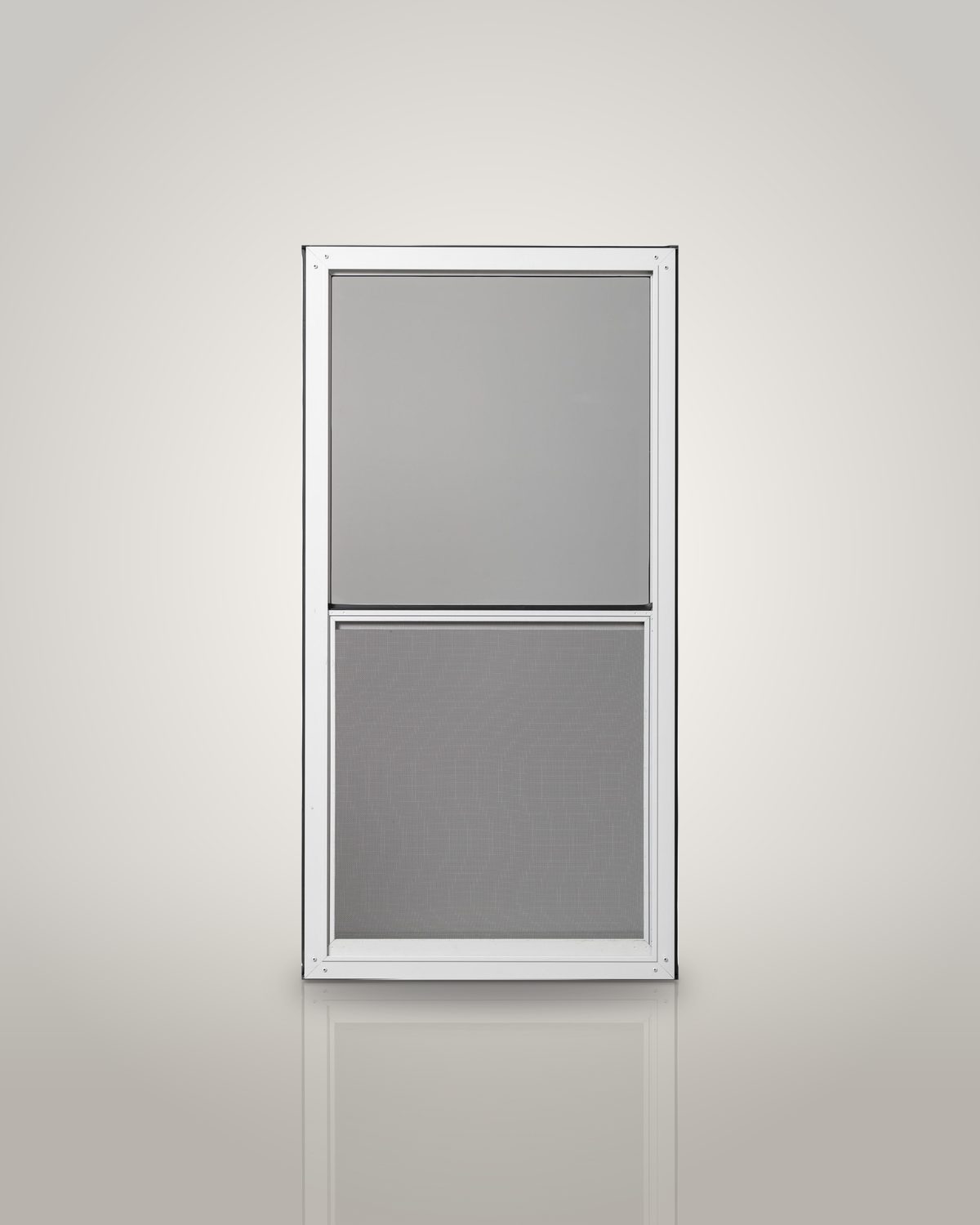
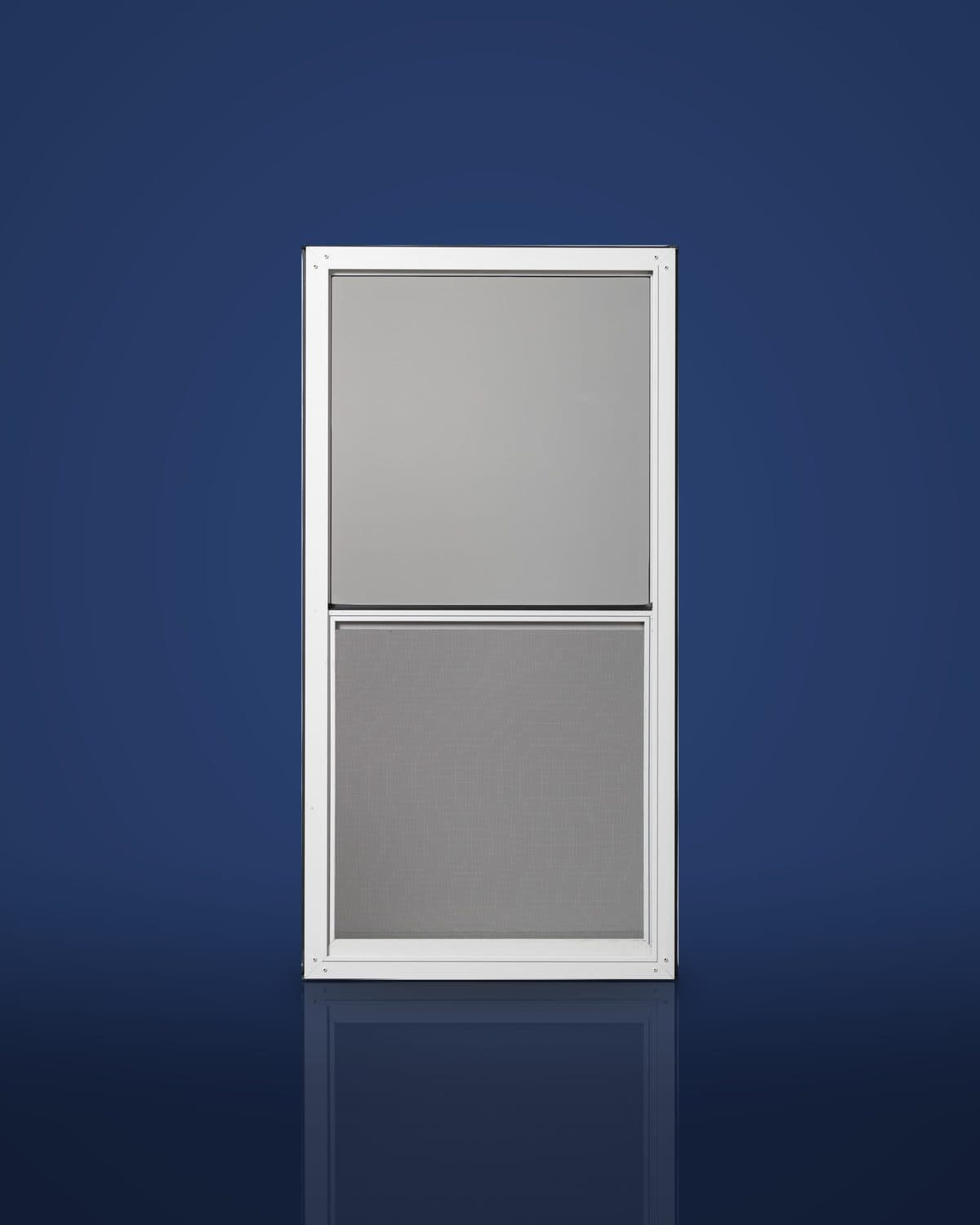
Low-E glass
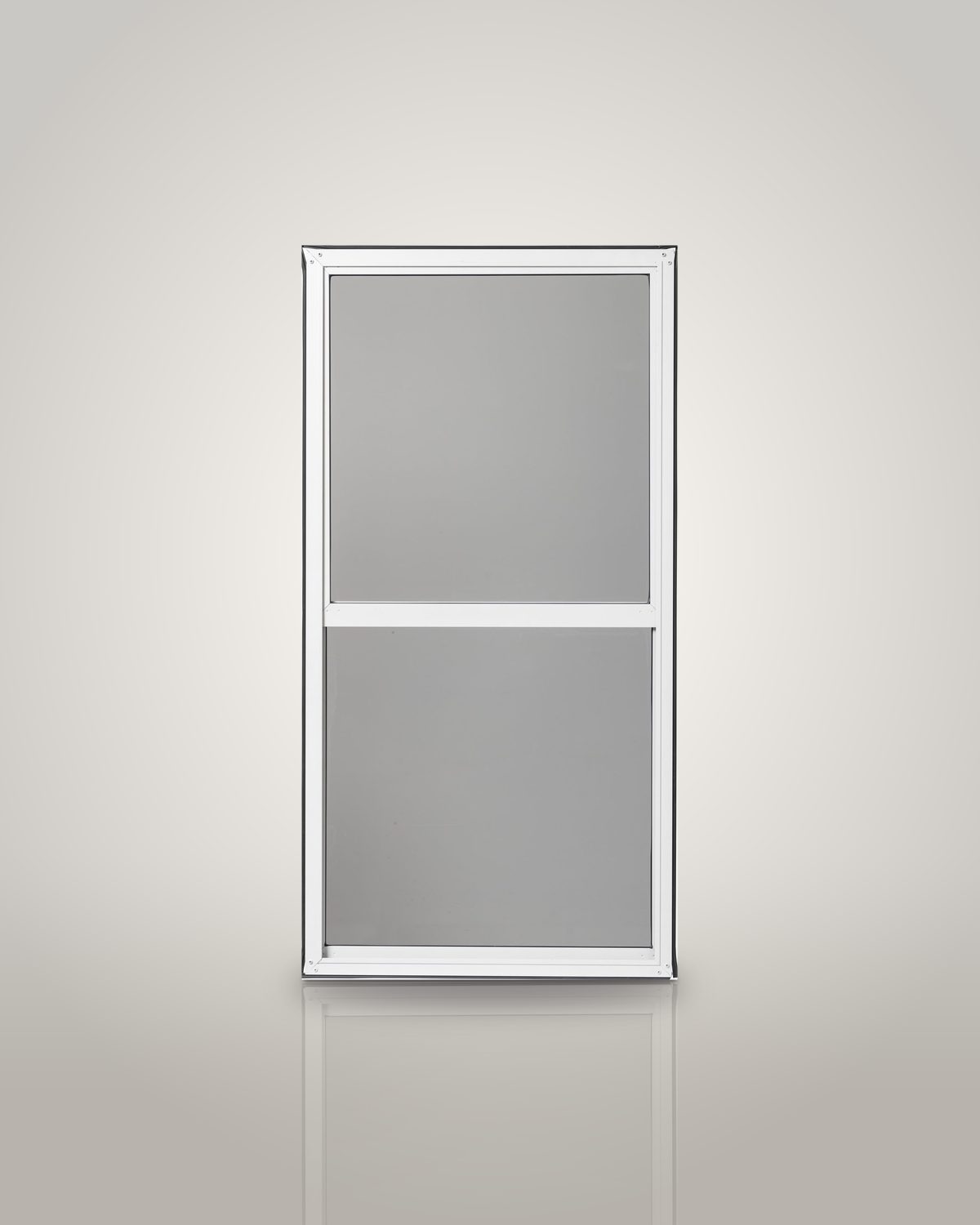
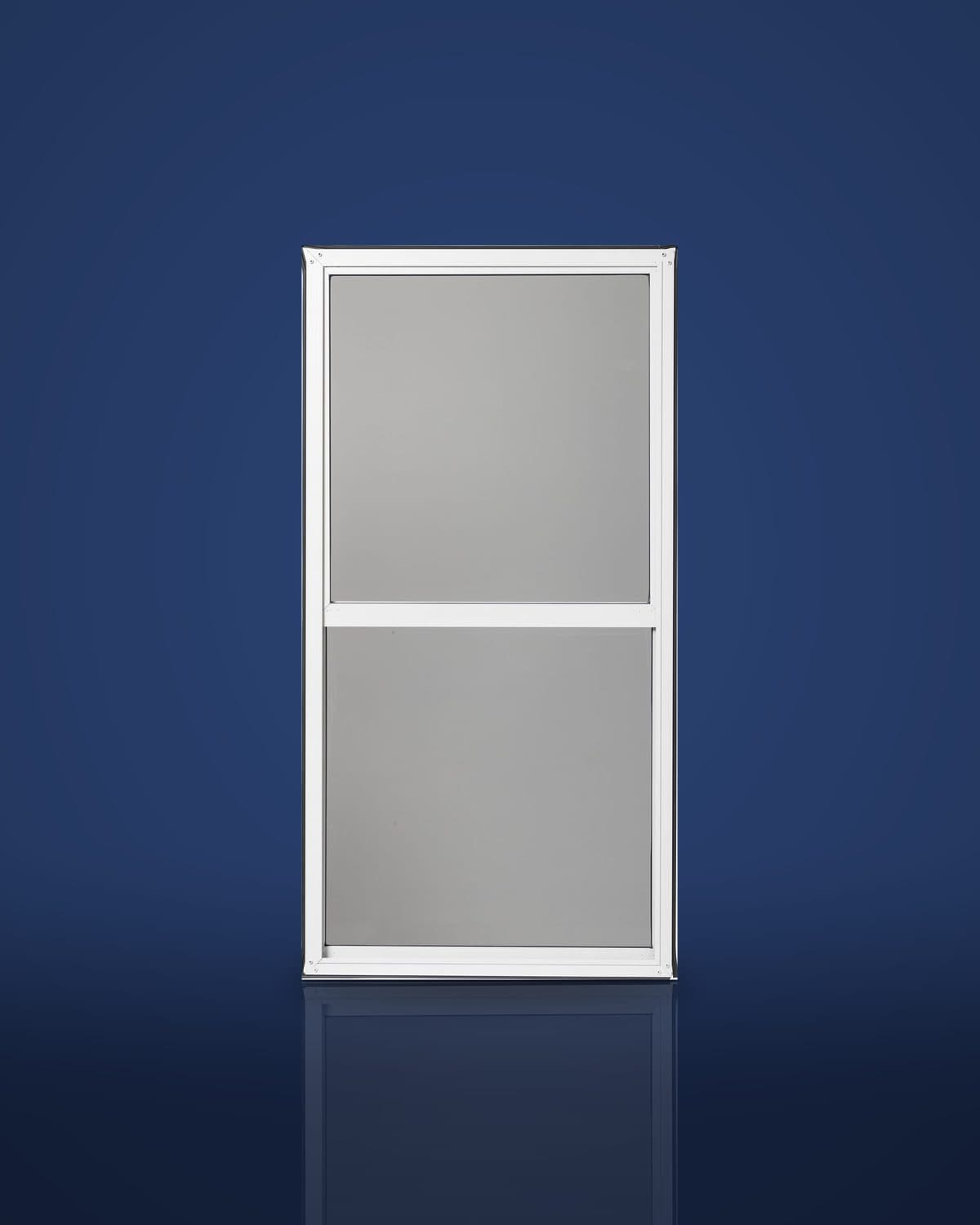
Low-E glass
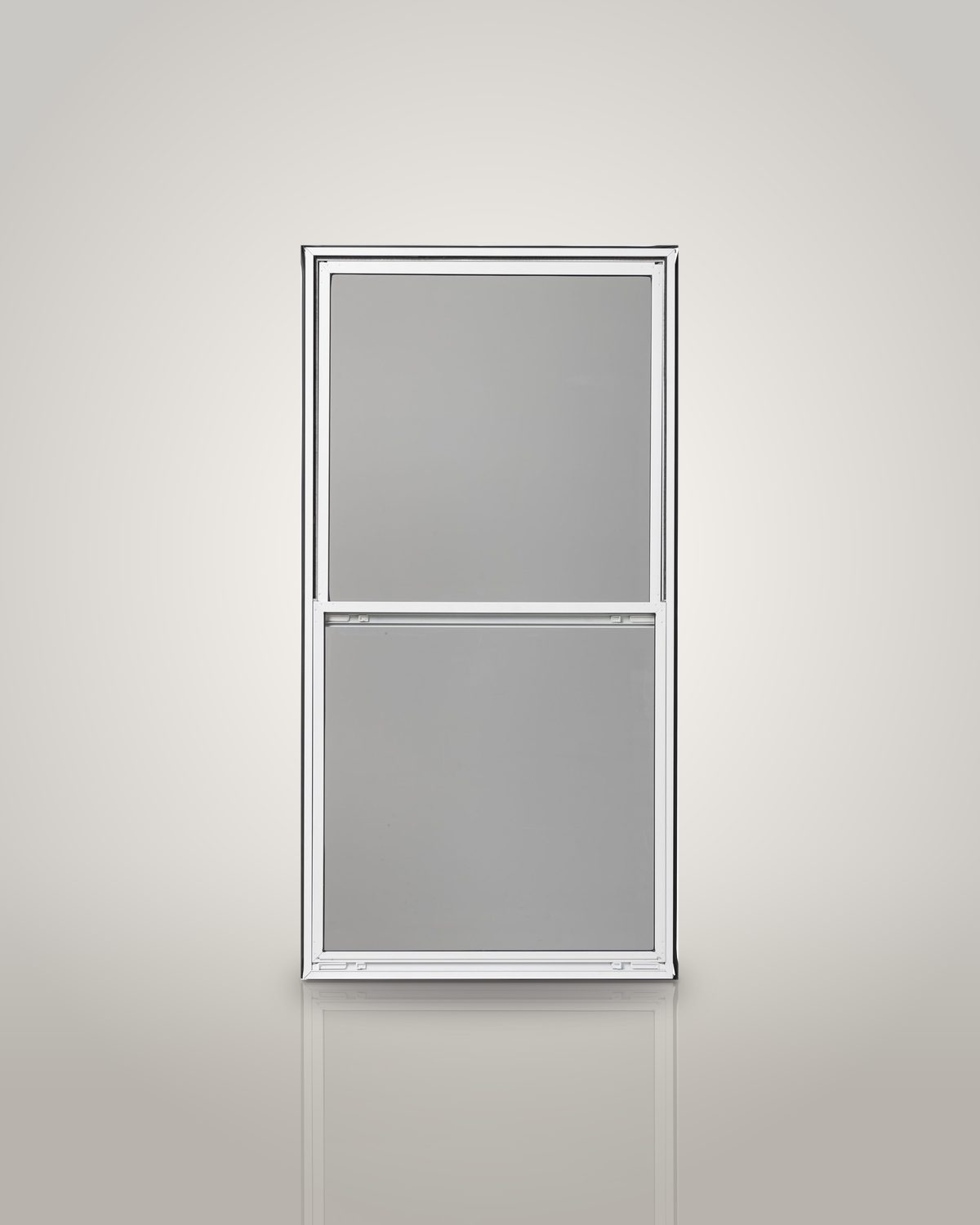
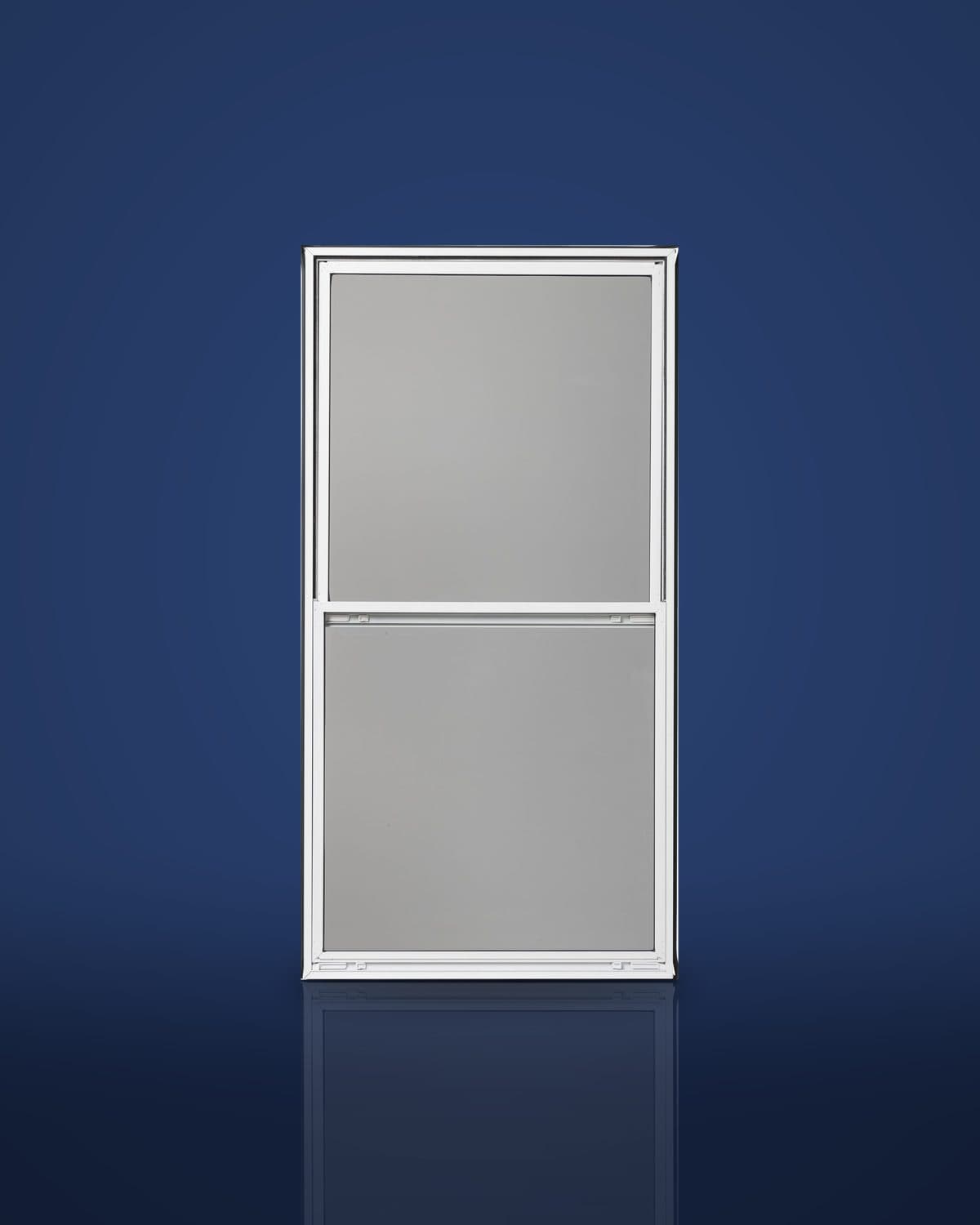
Low-E glass
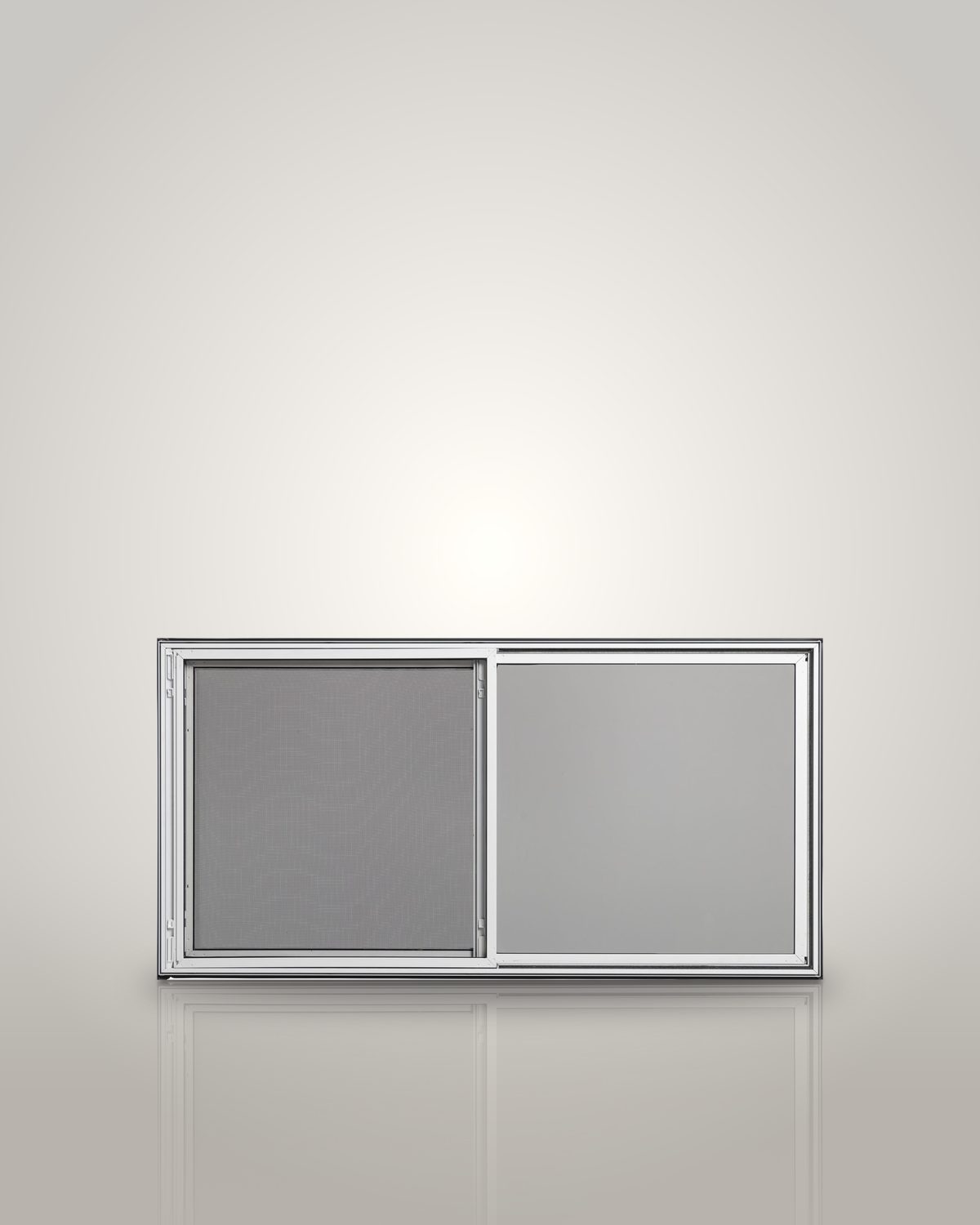
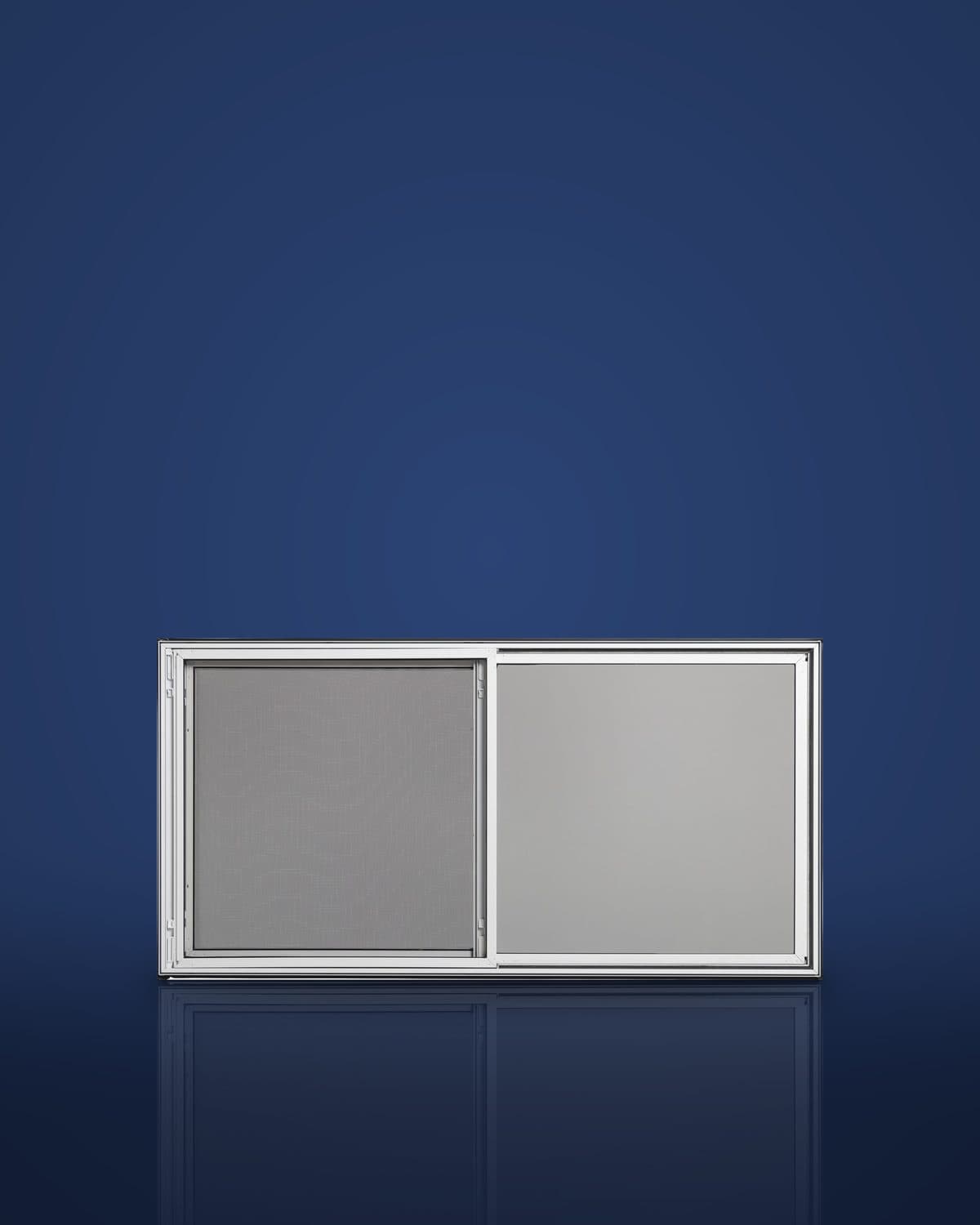
Low-E glass
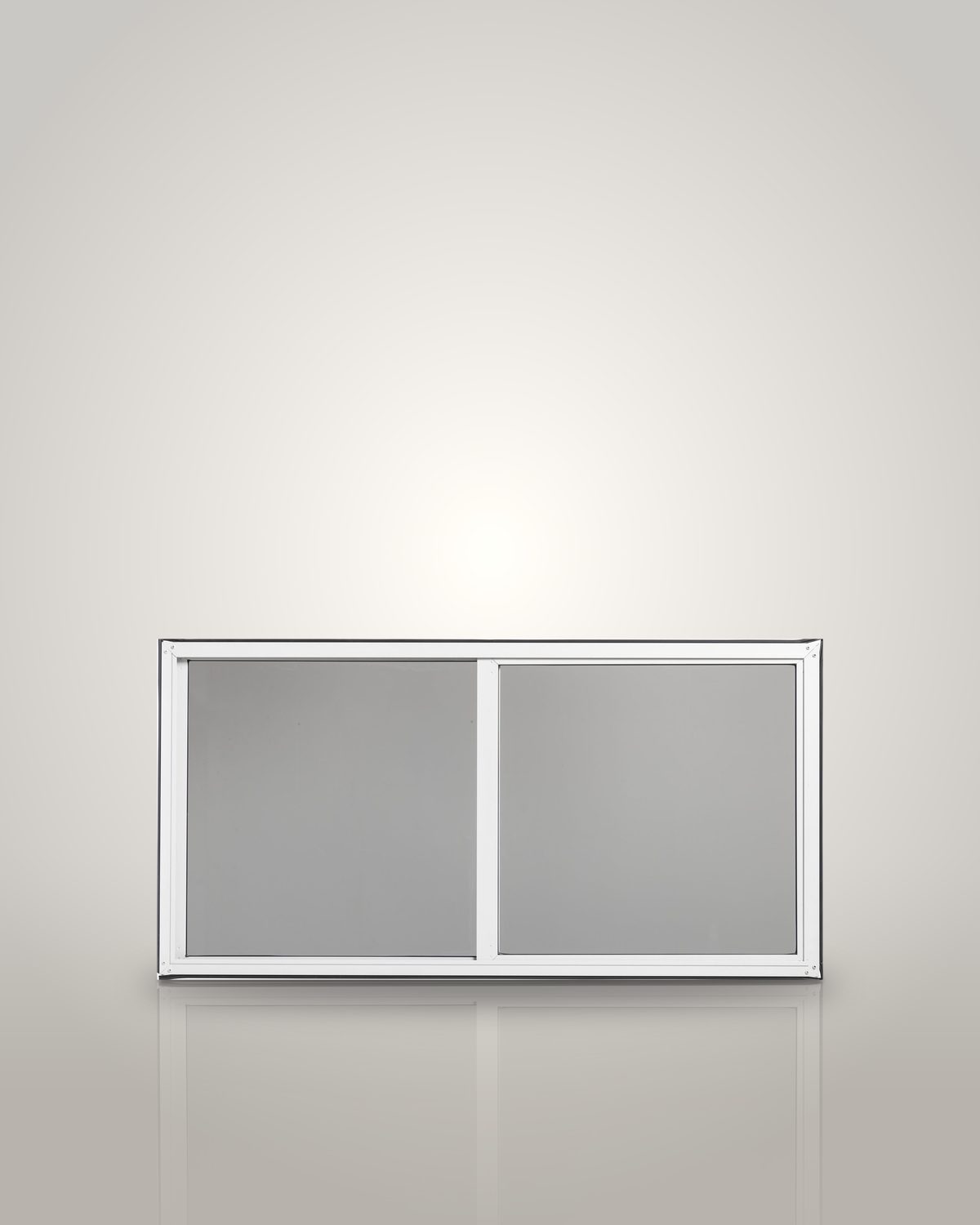
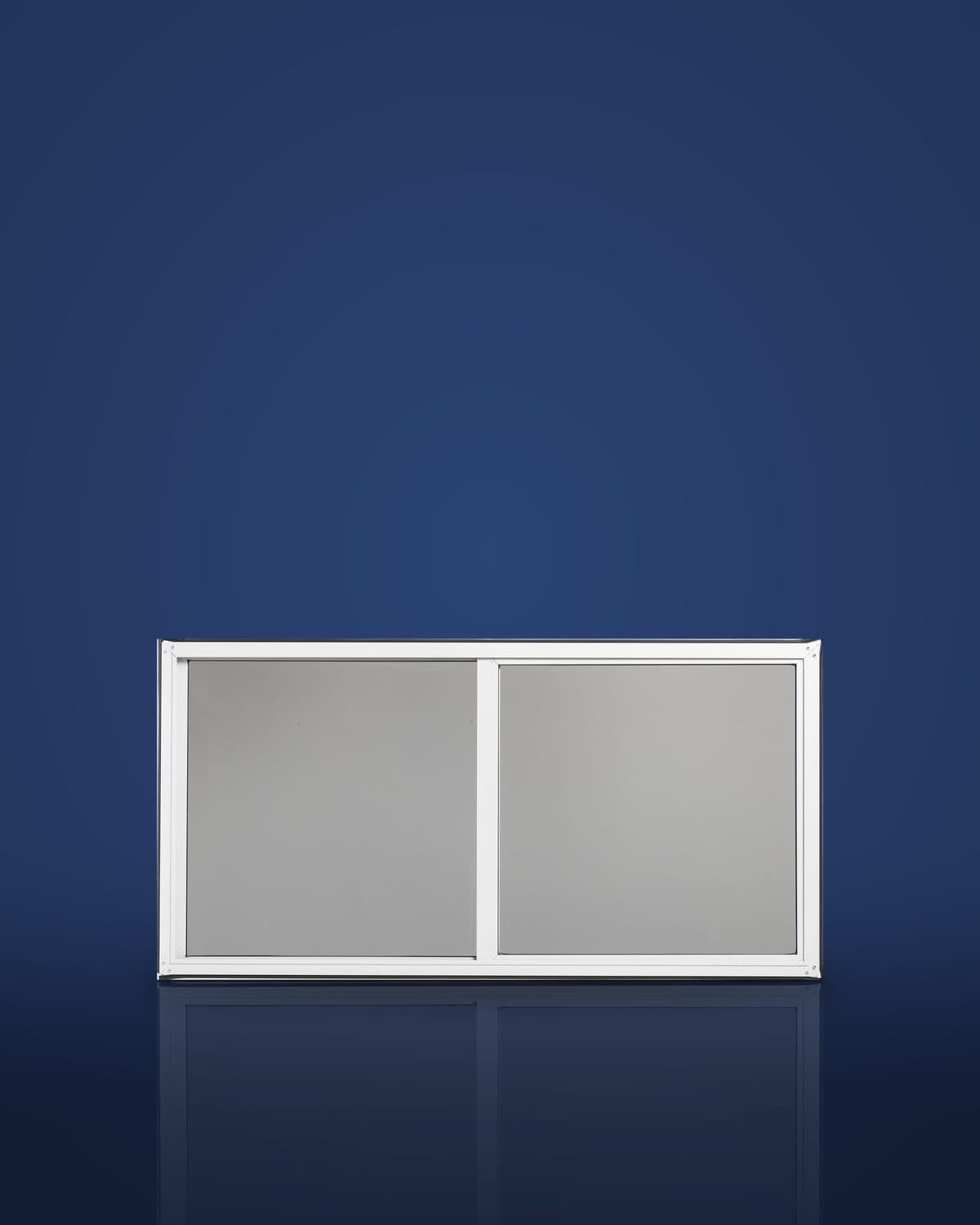
Low-E glass
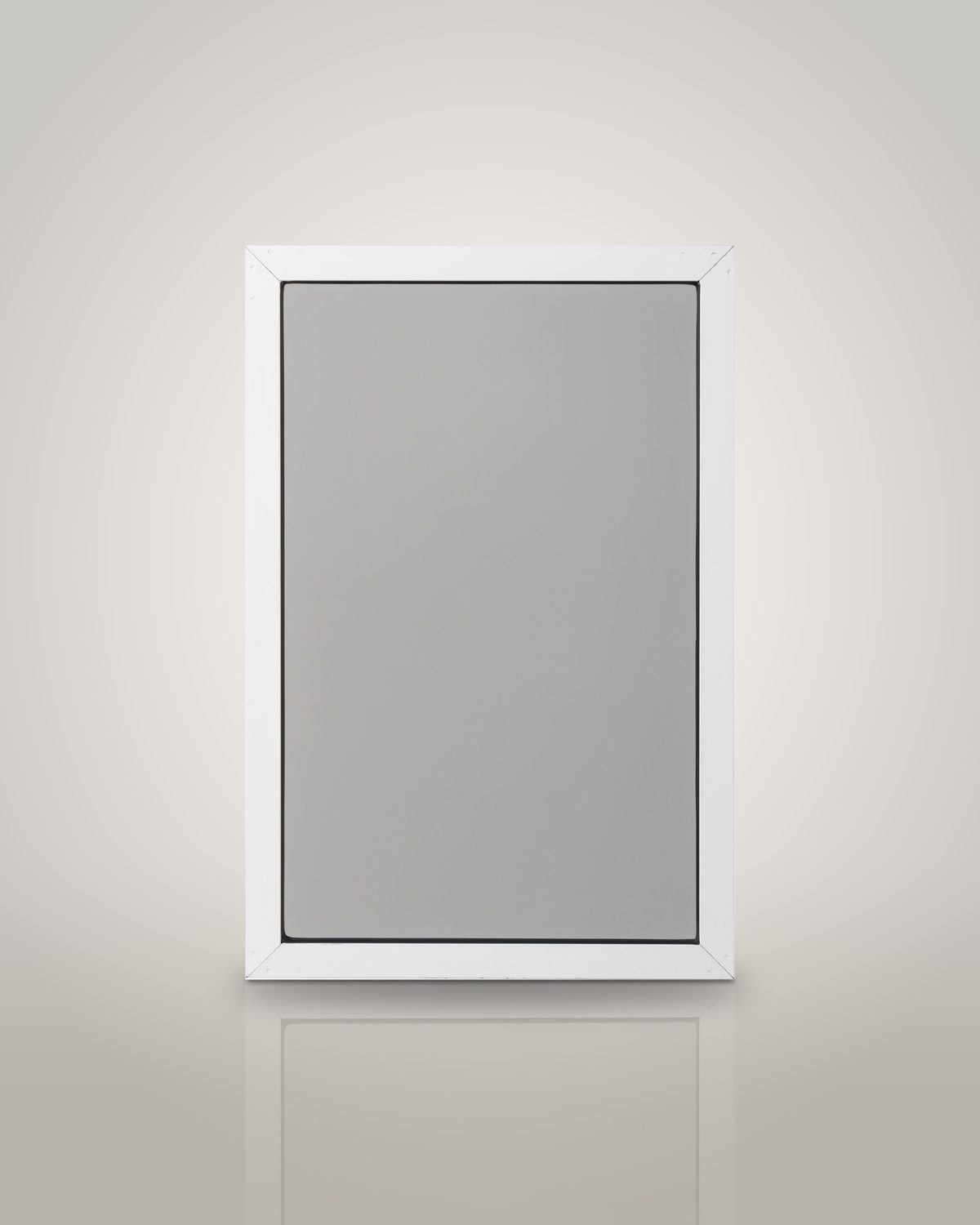

Low-E glass
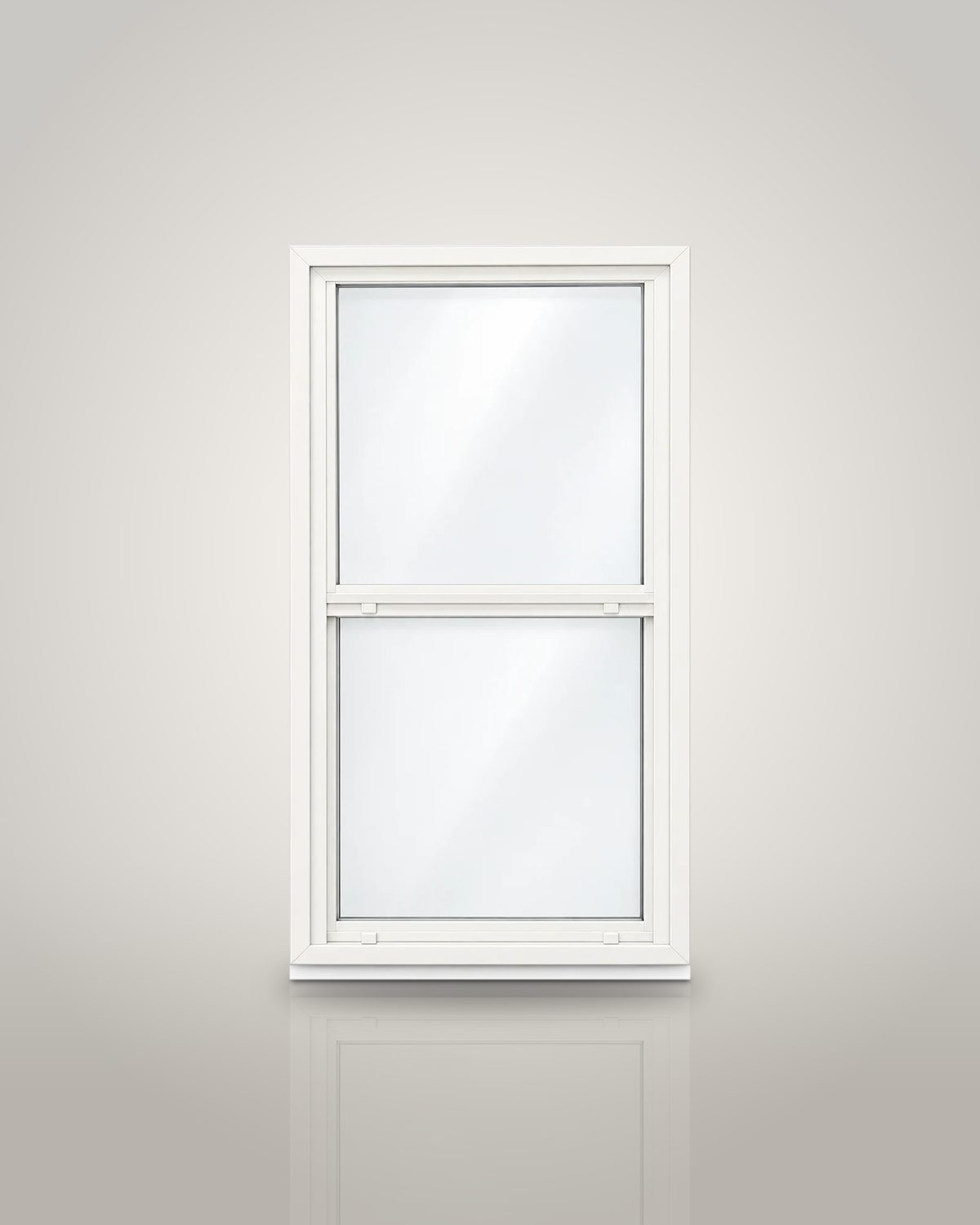
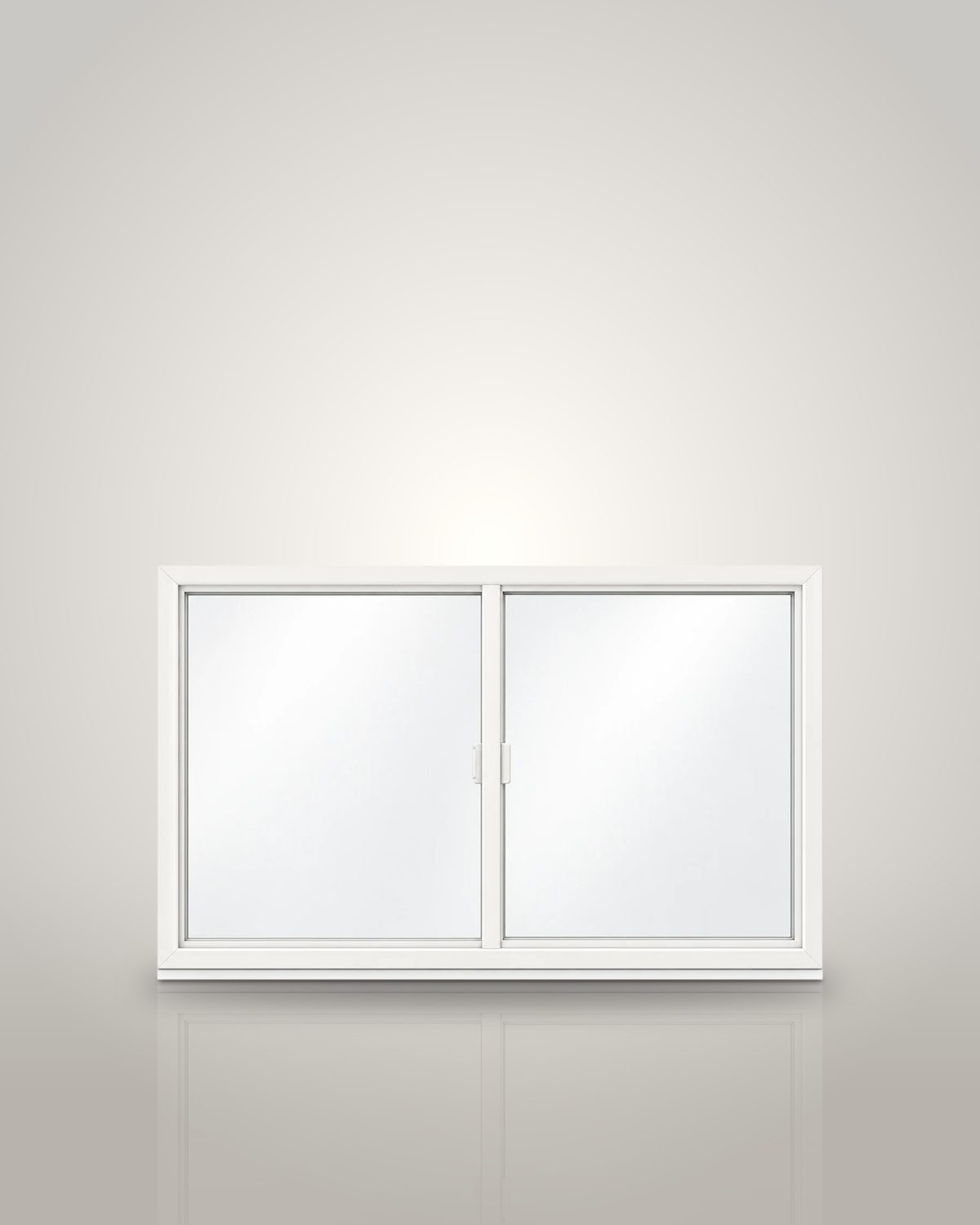
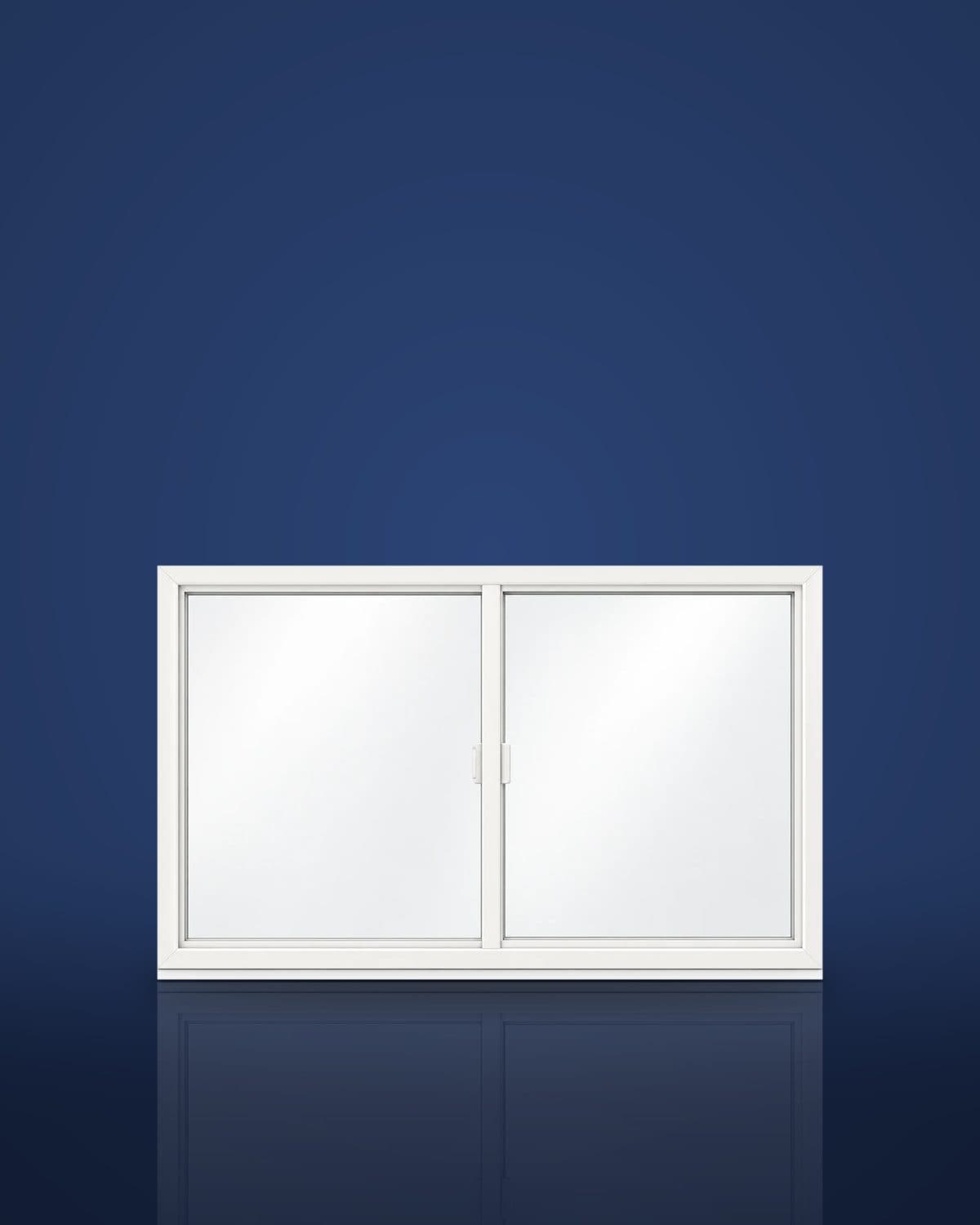
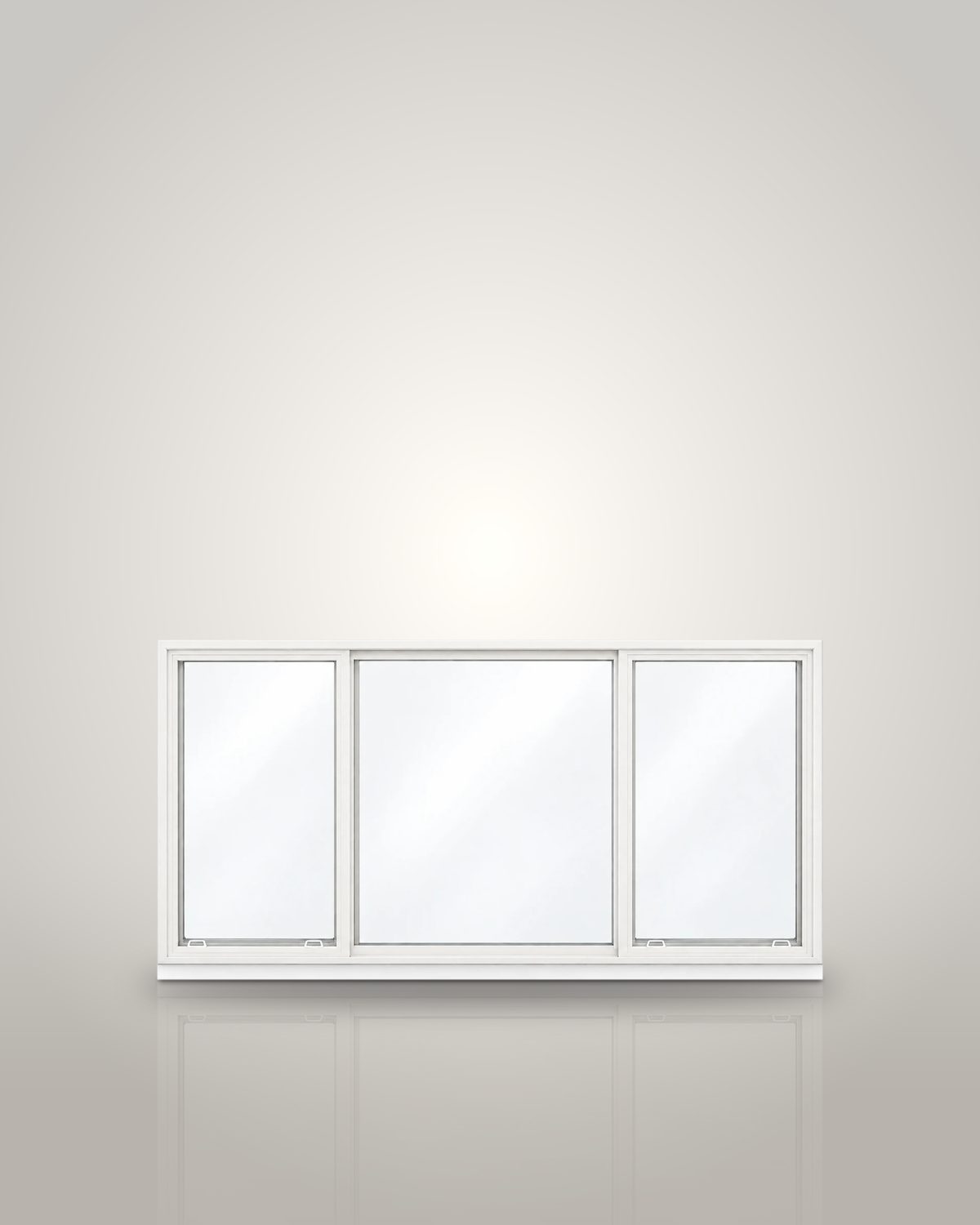
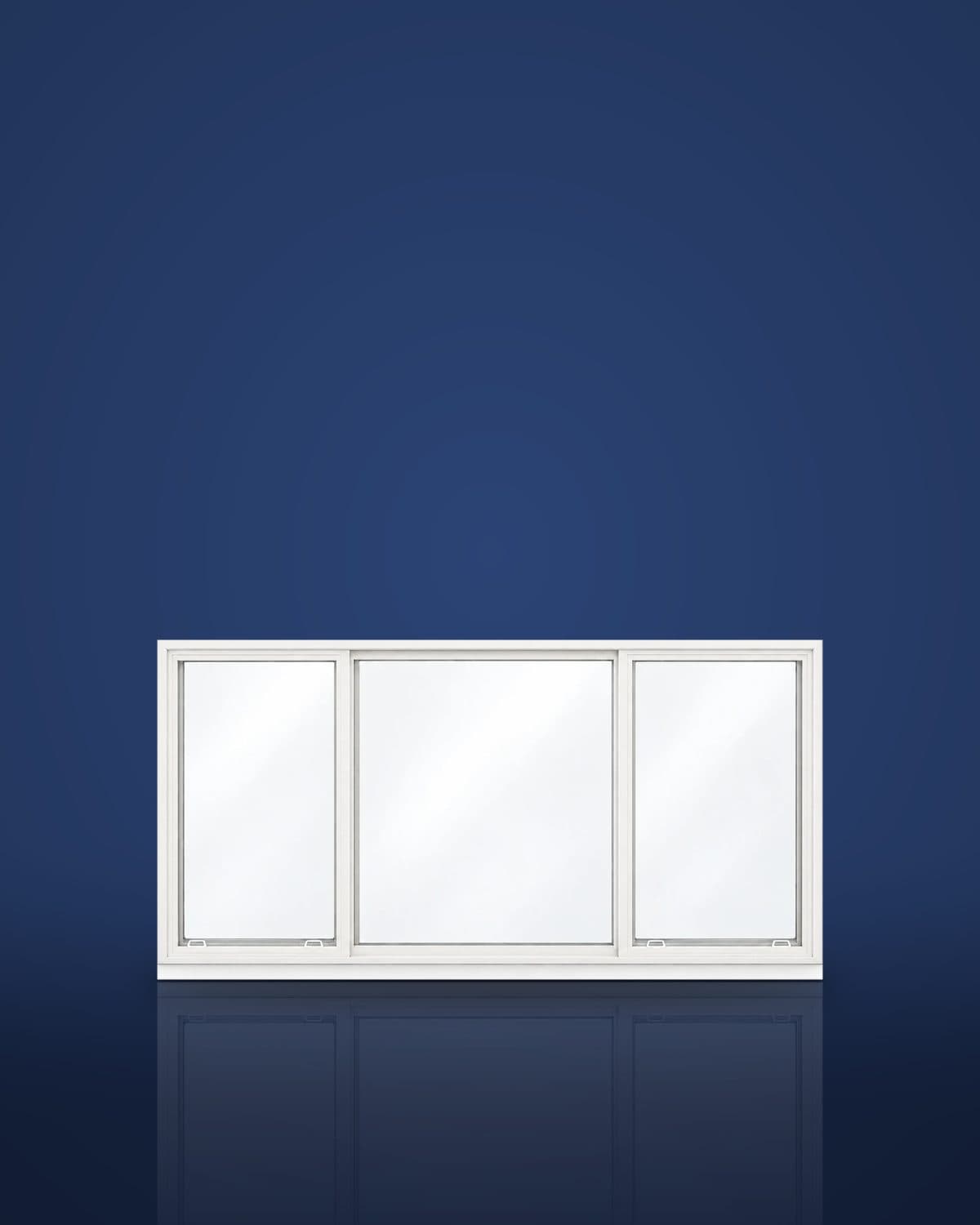
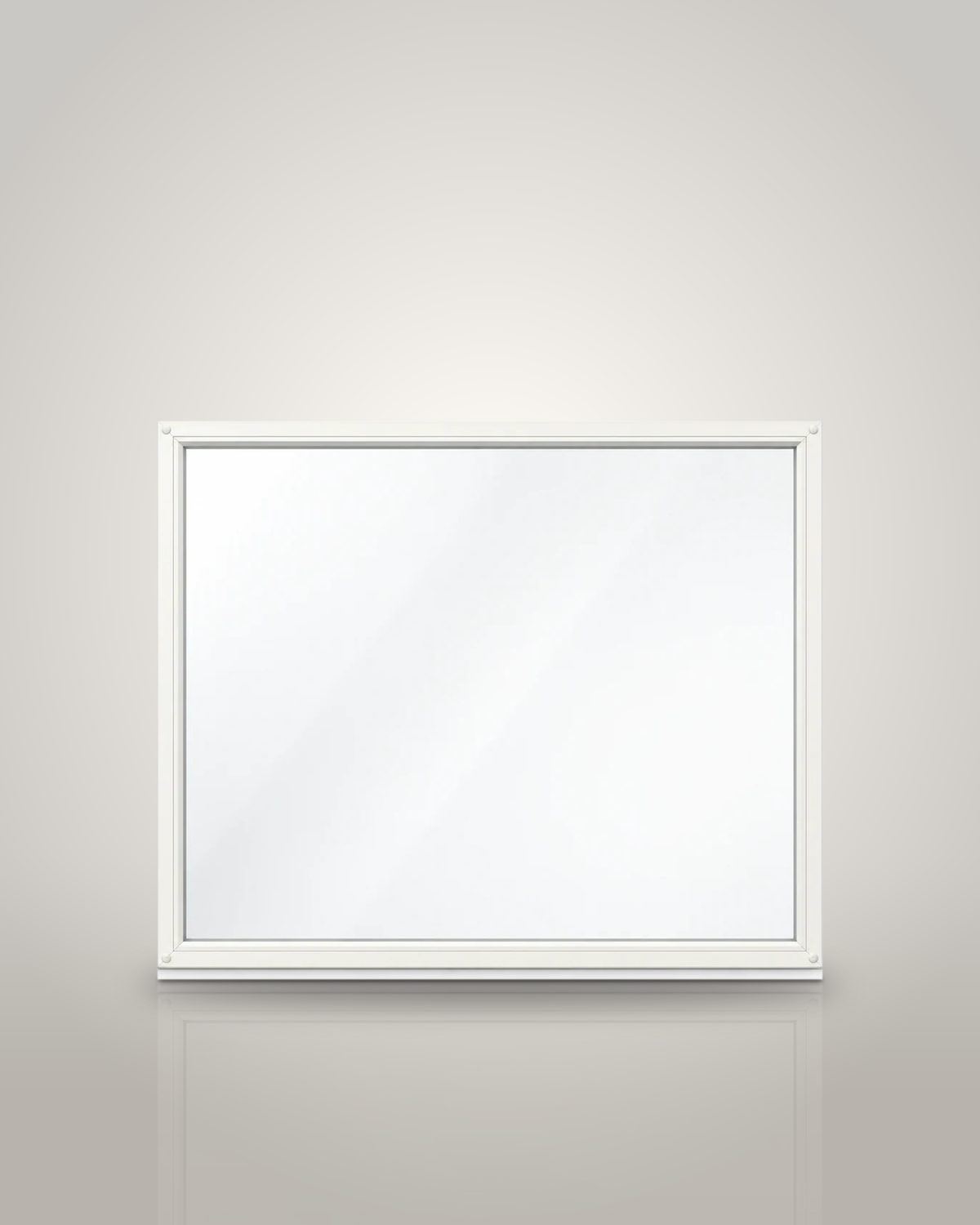
Check the room-side mounting depth, handles, and blinds before choosing a compression, surface-mounted, double-hung, or sliding system. Match access and ventilation to how you use the room.
Start with where your storm window will mount and how your existing window opens. Explore interior storm windows for an inside-mounted layer, exterior storm windows for fixed or ventilating openings, or Low-E storm windows for additional glazing options. Check the mounting requirements and use our measuring guides before ordering.
Dimensions determine the size of your frame and glass. Glass options, frame finish, and configuration (including fixed or operating panels, track count) also affect the price. Configure your chosen product for available pricing, or request a quote for details that need review.

Comprehensive guides, installation manuals, and expert tips for your storm window project.
Read the Guide
Step-by-step instructions for accurately measuring your windows for custom storm windows.
Read the Guide
Detailed installation instructions and video tutorials for all storm window types.
Read the Guide
Learn about energy savings, protection benefits, and long-term value of storm windows.
Read the Guide
Complete guide to different storm window styles and their applications.
Read the Guide
Discover innovative ways to use storm windows beyond traditional applications.
Read the GuideCheck the room-side mounting depth, handles, and blinds before choosing a compression, surface-mounted, double-hung, or sliding system. Match access and ventilation to how you use the room.
Operating double-hung and slider systems provide access through movable panels. A compression panel may need removal. Choose based on how often you ventilate the room and where you can store a removed panel.
Check usable mounting depth, handles, locks, blinds, and the space needed to position or remove the panel. Follow the selected system’s measuring guide and retain every reading.
Custom sizes for the windows already in your home.
Add a protective layer while keeping your existing windows.
Compare frame finishes, glass, and opening styles before ordering.
Measuring and installation guides, with a team you can contact for help.