From the blog
How to Open and Close Storm Windows: Two-Track and Triple-Track Guide
Learn how to open and close storm windows without forcing the sash.
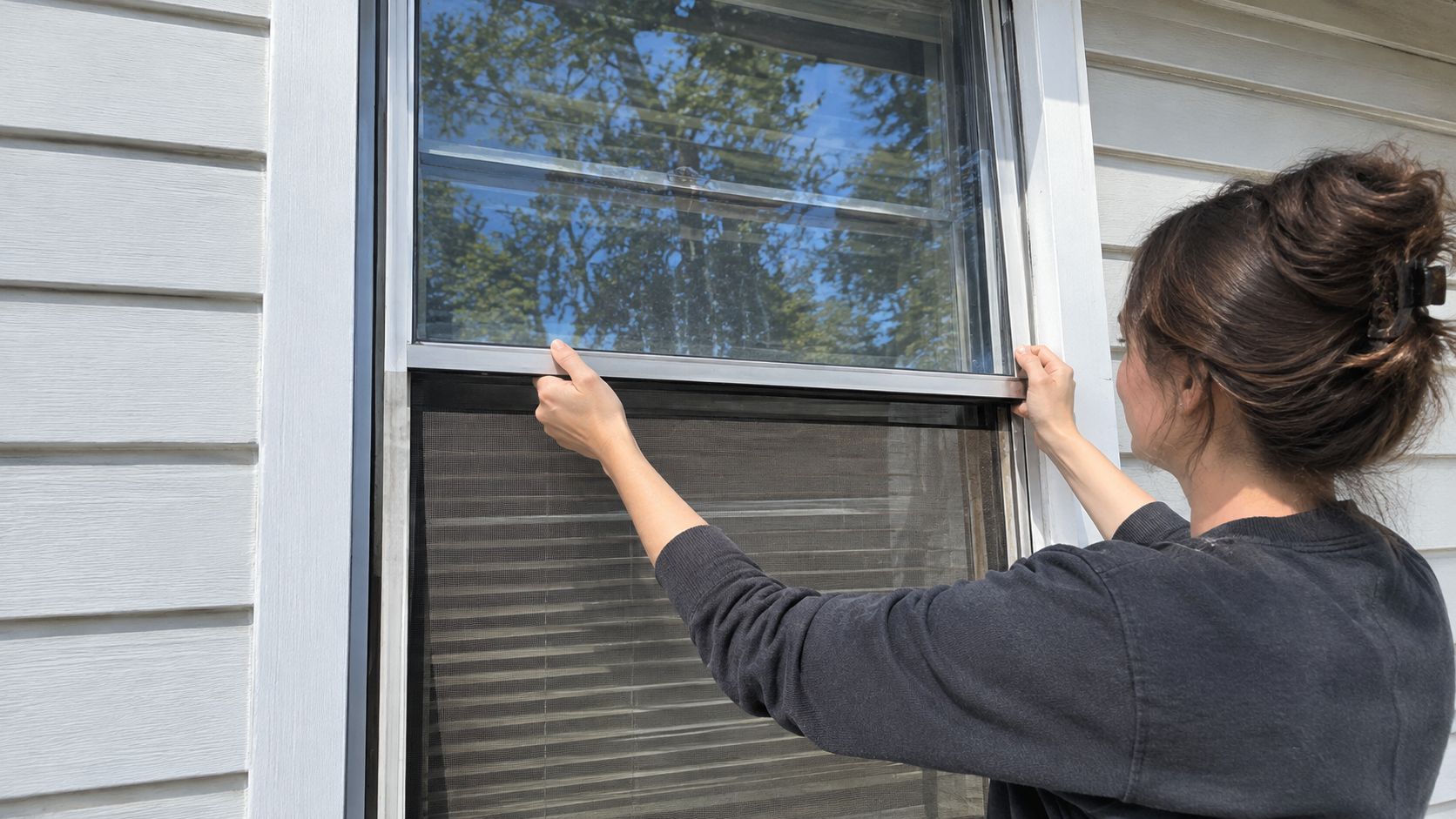
To open a storm window, open the primary window first and identify how the storm panels sit in their tracks. Unlock the moving sash, retract both release latches at the same time, and guide the panel evenly in the direction its hardware allows. To close it, reverse the motion and make sure the sash is seated, latched, and square.
Use normal hand pressure. Stop if the glass is cracked or loose, the frame bends, a painted joint looks sealed, or safe access would require leaning outside. Storm-window hardware varies by age and manufacturer, so the visible controls and instructions for your model always come first.
Key Takeaways: How to Open and Close Storm Windows
- Open the primary window first, identify the active storm sash, disengage its lock, retract paired release tabs together, and move the panel evenly in the direction allowed by its track.
- Two-track and triple-track layouts do not share one universal panel order, so trace each channel and follow the window's visible hardware or model instructions before moving a sash.
- Stop when glass is loose or cracked, a frame flexes, paint appears sealed, a panel binds, or reaching the controls would require unsafe exterior access.
- Storm Windows USA's vertical storm windows include two-track and triple-track options, so identifying the existing track count helps homeowners compare a like-for-like replacement when hardware is damaged.
Identify Your Storm Window Before You Move It
Start by identifying the storm window type. The U.S. Department of Energy groups exterior storm windows as double-track, triple-track, or fixed. Only an operable unit should move for everyday ventilation.
Open the primary window fully and clear the sill, curtains, and blinds. Look for the meeting rail, screen, glass edges, lock tabs, finger pulls, and a matching release on each side. Screws, turn buttons, clips, or brackets usually point to a removable panel rather than a sliding sash.
Trace each panel's channel from top to bottom. The movable sash often has a finger pull or paired spring latches, though those clues don't tell you which way every model opens. If the panel order still isn't clear, find the manufacturer label before touching anything else.
A quick look at the two-track and triple-track differences can help you name the parts before you move them.
Two-Track Layout
Two-track refers to two channels in the frame, but it does not guarantee one universal panel count or inside-to-outside order. Independent guidance describes a typical double-track unit as an operable glass panel and an operable screen, but older assemblies may differ.
On a two-track storm window, find the sash with the operating hardware, follow both side rails through the frame, and check whether the screen already covers the opening the sash will expose. Leave the screen alone. Move it only when its own tabs, pulls, or model instructions show that it moves.
Triple-Track Layout
A typical triple-track unit uses two operable glass panels and an operable screen in separate channels. Its hardware and panel order determine whether it can ventilate at the top, bottom, or both.
Before opening a triple-track storm window, locate both meeting rails and see where the screen parks. Track order can differ. Follow the hardware in front of you instead of relying on a diagram for another window.
How to Open and Close a Two-Track Storm Window
On a typical vertical two-track window, open the primary window, unlock the storm sash, release both sides together, and move the glass with one hand near each side rail. Keep the sash level. If one corner advances first, reset the panel square in the channel.
Ordinary ventilation shouldn't require prying out a screen, tilting the glass, or loosening the master frame. Those actions belong to removal or repair instructions for the exact unit.
Open It for Ventilation
Disengage the sash lock or lock tabs. If you see paired spring releases, pull or squeeze them together, then raise or lower the glass in the direction allowed by the track. Keep the meeting rail level as the sash travels.
One corner running ahead is your cue to stop. Set the sash back into an even position, confirm that both releases are fully retracted, and try once more with light pressure. If a latch stays stuck or glass touches metal, stop before applying more pressure.
Check the exposed opening. The screen should cover it fully and sit securely on both sides. A bowed, loose, or misplaced screen needs attention first.
Close and Secure It
Retract both releases together. Guide the glass back across the opening, using one hand at each side so the sash doesn't rack. Keep your fingertips away from the meeting rail and latch pockets.
Bring the panel to its designed stop. Let the spring latches enter their catches, then engage the lock without slamming or dragging a crooked sash into place. Look around the perimeter for trapped grit, an uneven edge, or a visible gap.
Now close and lock the primary window. Reopen it and fix the alignment if either lock takes unusual force.
When Does a Stuck Two-Track Sash Need More Than Cleaning?
A two-track sash needs more than cleaning when broken locks, loose glass, or a bent frame keep it from moving squarely after the track is clear. At that point, record the opening size, track layout, and meeting-rail position before asking about repair or replacement. Storm Windows USA's vertical two-track window is made to the measurements entered and uses spring-loaded sash locks to hold the glass and screen inserts in place. That gives a homeowner concrete details to compare with the damaged unit instead of ordering by the words “two-track” alone.
How to Open and Close a Triple-Track Storm Window
To open a triple-track storm window, identify the upper glass, lower glass, and screen before moving one panel at a time. On many units, each piece occupies its own channel.
Open the primary window. Disengage the lock for the sash you want to move, operate the paired releases together, and keep the panel level throughout its travel. Move both glass sashes together only when the manufacturer designed the unit for that motion.
Open the Lower or Upper Section
For lower ventilation, raise the lower glass sash evenly. Move the screen across the lower opening only if its controls and instructions call for that step, then check that both screen edges remain seated.
For top ventilation, lower the upper glass sash only when you can reach it safely from inside and the storm layout supports that position. Align the screen with the upper opening as directed. Don't reach through a tight gap or lean outdoors to grab a stubborn tab.
The U.S. Consumer Product Safety Commission warns that screens don't prevent falls. It recommends opening windows from the top when possible around children, installing appropriate guards or stops, and keeping furniture away from the opening.
Close Both Glass Sashes
Close one sash at a time. Return the upper glass fully to the head and the lower glass fully to the sill or its designed stop. Keep the meeting rails level so the interlocks can meet cleanly.
Let the spring latches settle into their catches, engage the locks, and confirm that the screen is parked where it belongs. It shouldn't be pinched between meeting rails. Close and lock the primary window after every storm panel is secure.
Take one last look from inside. Even spacing along both side rails is a better sign than a lock that merely turns. A diagonal gap means the panel still needs to be reseated.
What Should You Measure Before Replacing a Triple-Track Unit?
Measure the opening for its mounting method and note the meeting-rail position before replacing a triple-track storm window. For a like-for-like check, Storm Windows USA's vertical triple-track window is built to the dimensions entered and lets the buyer select the meeting-rail layout. Those details matter because the same track count does not prove that a replacement will line up with the primary window. Compare the measurements and operating pattern before ordering.
How to Open a Horizontal Sliding Storm Window
A horizontal sliding storm window follows the same basic sequence, but the active panel travels side to side. Open the primary slider first. Find the moving storm sash, release its lock, and retract any paired tabs. Slide with one hand near the top rail and the other near the bottom.
Keep the panel upright. Use the manufacturer's instructions before lifting, tipping, or angling it because those motions may belong to a model-specific removal sequence.
To close a horizontal storm window, slide the glass across the screened opening until it meets the jamb or designed stop. Re-engage the latch and check that the leading edge sits flush. If the top reaches the jamb before the bottom, back up and square the panel rather than shoving harder.
What to Do When a Storm Window Won't Open or Close
Start with the controls. Make sure every lock is disengaged and both release tabs complete their full travel. If only one corner moves, reset the sash square in the track and check both tabs again before applying more pressure.
Inspect the visible track next. Use a vacuum with a soft brush attachment to lift loose grit, insects, and dry debris, keeping the hard nozzle away from glass and finished metal. For deeper care, follow the guide to clean storm windows without treating removal as part of routine opening.
Apply oil, silicone, wax, or another lubricant only if the window maker approves it for that unit. Bent metal, torn weatherstripping, loose glass, and broken locks need model-specific repair.
Paint calls for extra caution. EPA lead-safe guidance explains that repair or renovation work in a pre-1978 home can create dangerous lead dust when lead-based paint is present. Don't sand, scrape, or cut a suspected paint seal until the coating and safe work method are understood.
Still stuck? Stop forcing it. Photograph the panel order and hardware, record the model label, and ask the manufacturer or a window professional for the correct next move.
Can You Open a Storm Window From the Outside?
Use the operating side and controls specified for the window. If the normal controls are reachable only from the room, open the primary window and work from inside. Fixed exterior panels and seasonal inserts use different fasteners, so they do not open like sliding sashes.
Do not lean a ladder against glass or stretch through the opening. Exterior work at height may require fall protection, so upper-story panels often need a professional with proper access equipment.
Opening a sash for air is different from removing it for cleaning or replacement. If a panel must come out, use the instructions for that model and review how to remove a storm window safely first.
Get Help Opening and Closing Storm Windows Safely
A healthy storm sash should move with steady, controlled pressure. Keep visible tracks clean, work paired releases together, and check that each latch seats before closing the primary window. If the sash binds, stop and check alignment or get model-specific help.
If routine checks do not restore smooth movement, identify the model and damage before buying parts or a replacement. That gives the support team the details needed to point you toward the right instructions or configuration.
Broken hardware, a bent frame, or a confusing panel order deserves model-specific help. Send photos and any order or model details to Storm Windows USA support so the team can identify the configuration and help you choose a safe next step.