Custom sizes, considered details, and an extra layer of comfort for your existing windows.
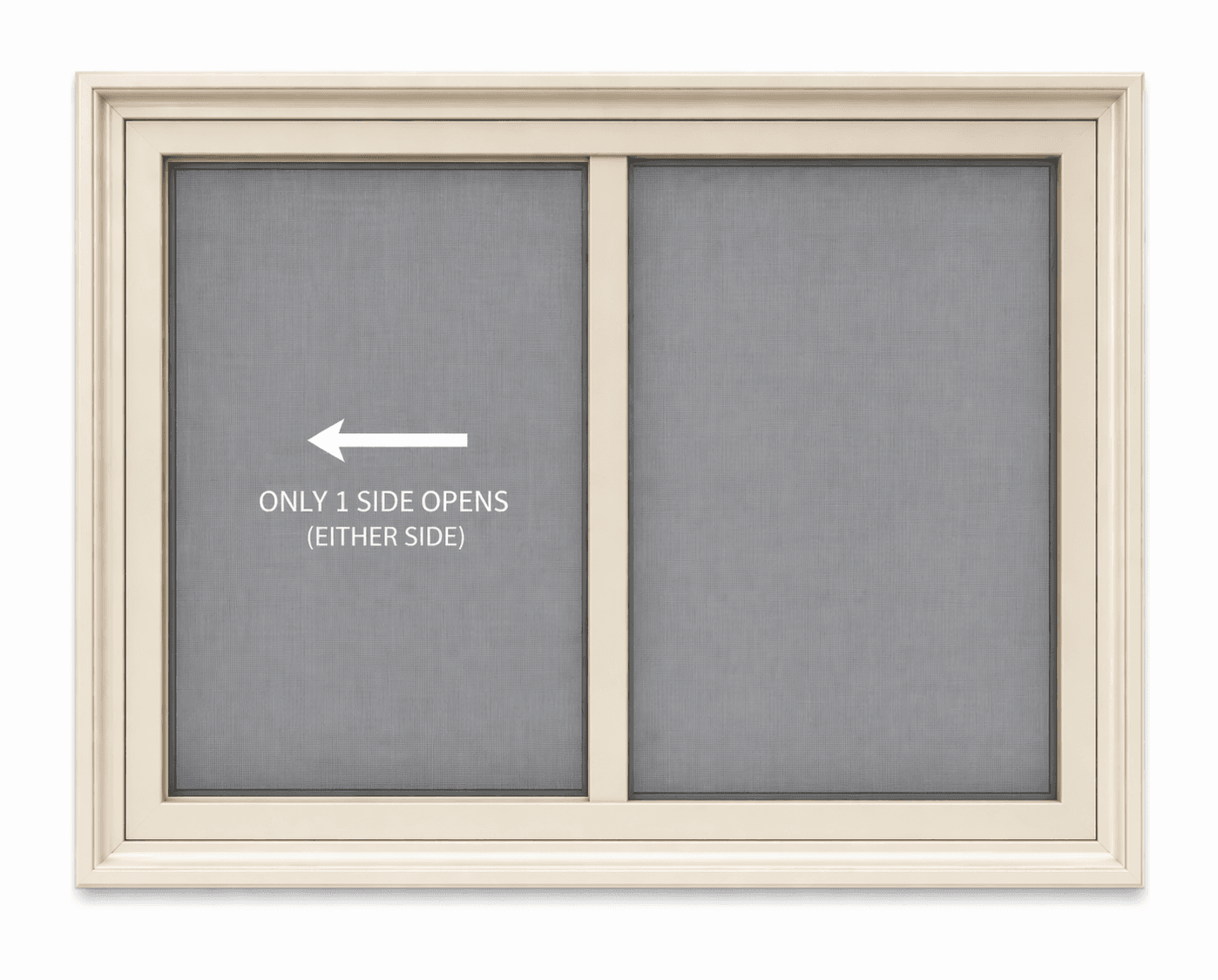
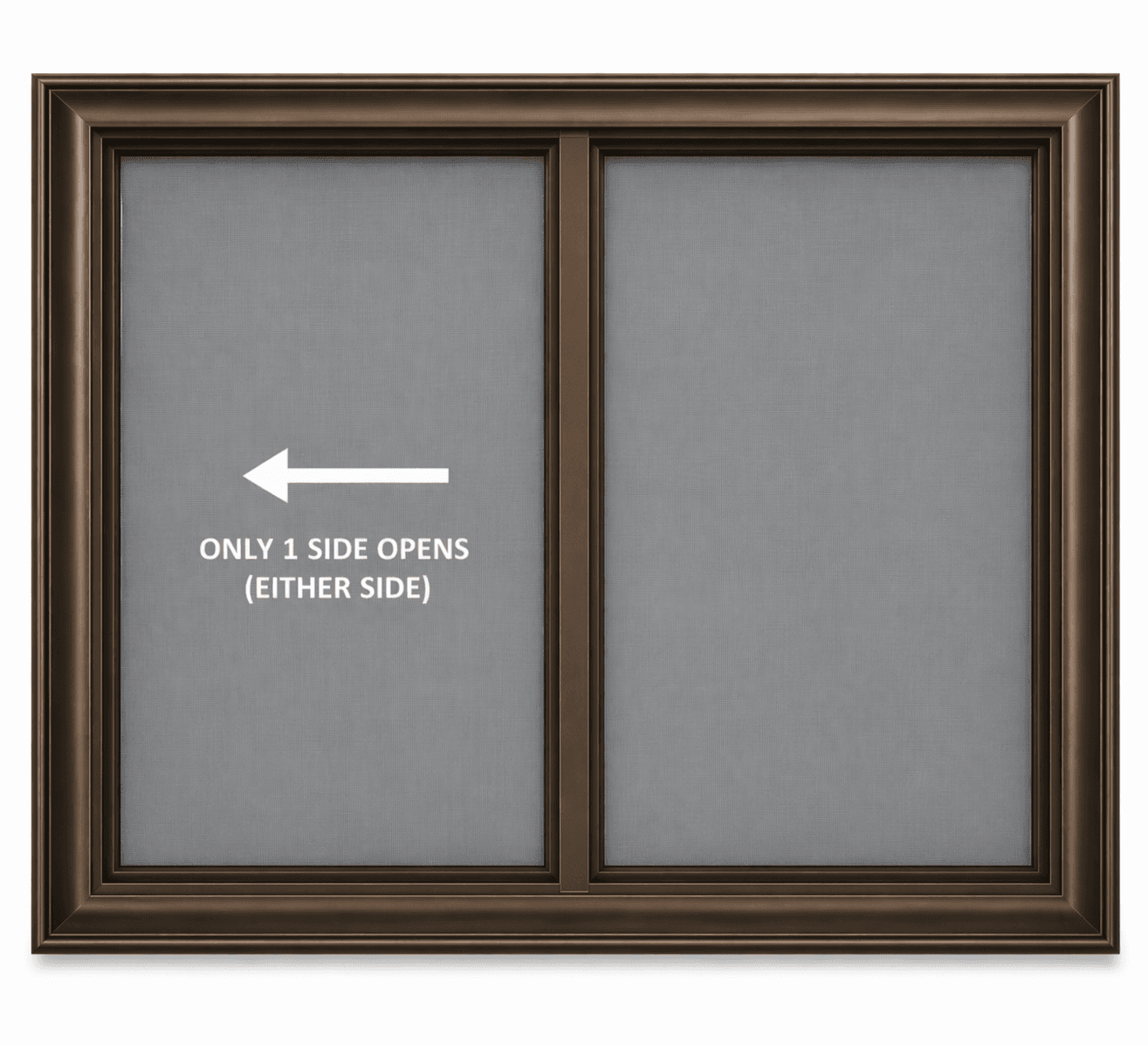
For wide openings, compare two-lite and three-lite layouts, which panel opens, and the position of your existing vertical meeting rails. Confirm the opening direction before ordering.
Start with where your storm window will mount and how your existing window opens. Explore interior storm windows for an inside-mounted layer, exterior storm windows for fixed or ventilating openings, or specialty storm windows for distinctive shapes. Check the mounting requirements and use our measuring guides before ordering.
Dimensions determine the size of your frame and glass. Glass options, frame finish, and configuration—including fixed or operating panels, track count, and specialty shapes—also affect the price. Configure your chosen product for available pricing, or request a quote for details that need review.

Comprehensive guides, installation manuals, and expert tips for your storm window project.
Read the Guide
Step-by-step instructions for accurately measuring your windows for custom storm windows.
Read the Guide
Detailed installation instructions and video tutorials for all storm window types.
Read the Guide
Learn about energy savings, protection benefits, and long-term value of storm windows.
Read the Guide
Complete guide to different storm window styles and their applications.
Read the Guide
Discover innovative ways to use storm windows beyond traditional applications.
Read the Guide
Sizing and performance guidance for lower-level window openings.
Read the GuideThey are the go-to choice for casement windows, horizontal sliders, and any opening wider than it is tall where side-to-side panel movement is needed.
Dual-rail models use two tracks for a glass panel and a screen, simple and economical. Three-rail models add an extra track, letting you position two screens for broader ventilation options.
Yes. The sliding panels can be repositioned within the frame, and with the horizontal two-track you can also choose which side holds the operable pane.
They trap an insulating air layer between the storm panel and your primary glass, which limits conductive heat loss and reduces air leakage around the frame.
Measure the opening width and height in at least three spots, use the smallest reading for each dimension, and consult our measuring guide for product-specific rules.
Custom sizes for the windows already in your home.
Add a protective layer while keeping your existing windows.
Compare frame finishes, glass, and opening styles before ordering.
Measuring and installation guides, with a team you can contact for help.
Side-sliding storm windows are made for wide openings, casement-style frames, sliders, and rooms where horizontal operation feels natural. Choose a two-track model for simple protection or a three-track model when you want more ventilation flexibility.
The side-glide motion mirrors how casement sashes swing, so the storm panel feels like a natural extension of the window rather than an add-on. Tight perimeter seals lock out drafts year-round.
Cover the fixed or sliding glass above patio doors to cut heat loss across that wide span while preserving sightlines and easy access to the door below.
Low-profile aluminum frames and horizontal operation complement ribbon windows, clerestories, and other wide-format glass common in modern and mid-century architecture.
When several windows sit side by side in a continuous band, horizontal storm panels span the full width efficiently and keep every section sealed against weather and noise.
Durable powder-coated aluminum stands up to high-traffic settings, and the sliding panels let maintenance crews clean both sides without special equipment.
Retrofit every horizontal opening in one project, the trapped air layer between storm panel and primary glass noticeably reduces heating and cooling demand.
Most homeowners mount a horizontal storm window in under an hour using a drill, a level, and the included fasteners, no contractor visit required.
Factory-finished aluminum and lift-out panels make these storm windows easy to maintain season after season.
Configure a side-sliding storm panel for every casement and slider opening in your home.
Keep shopping
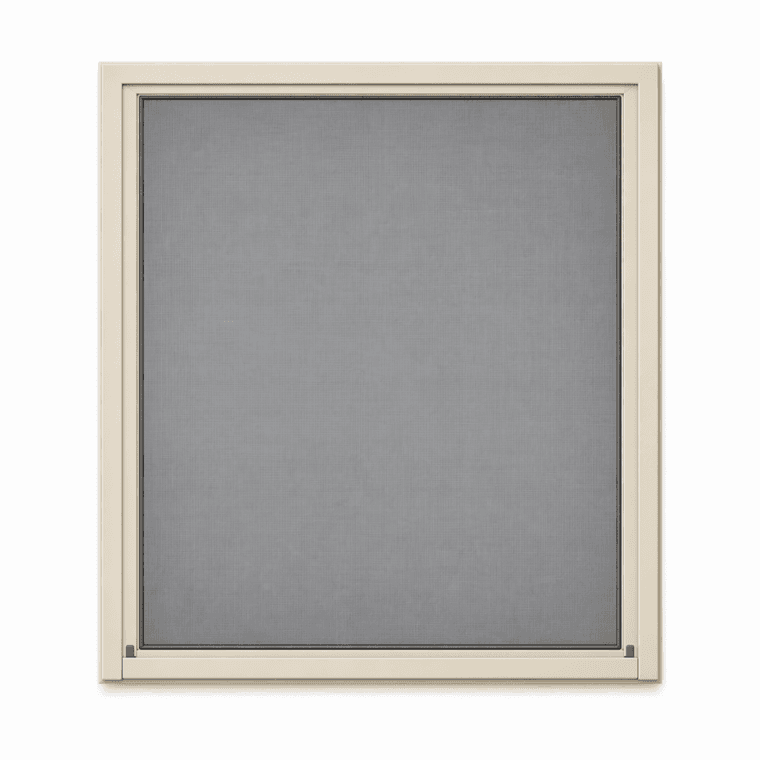
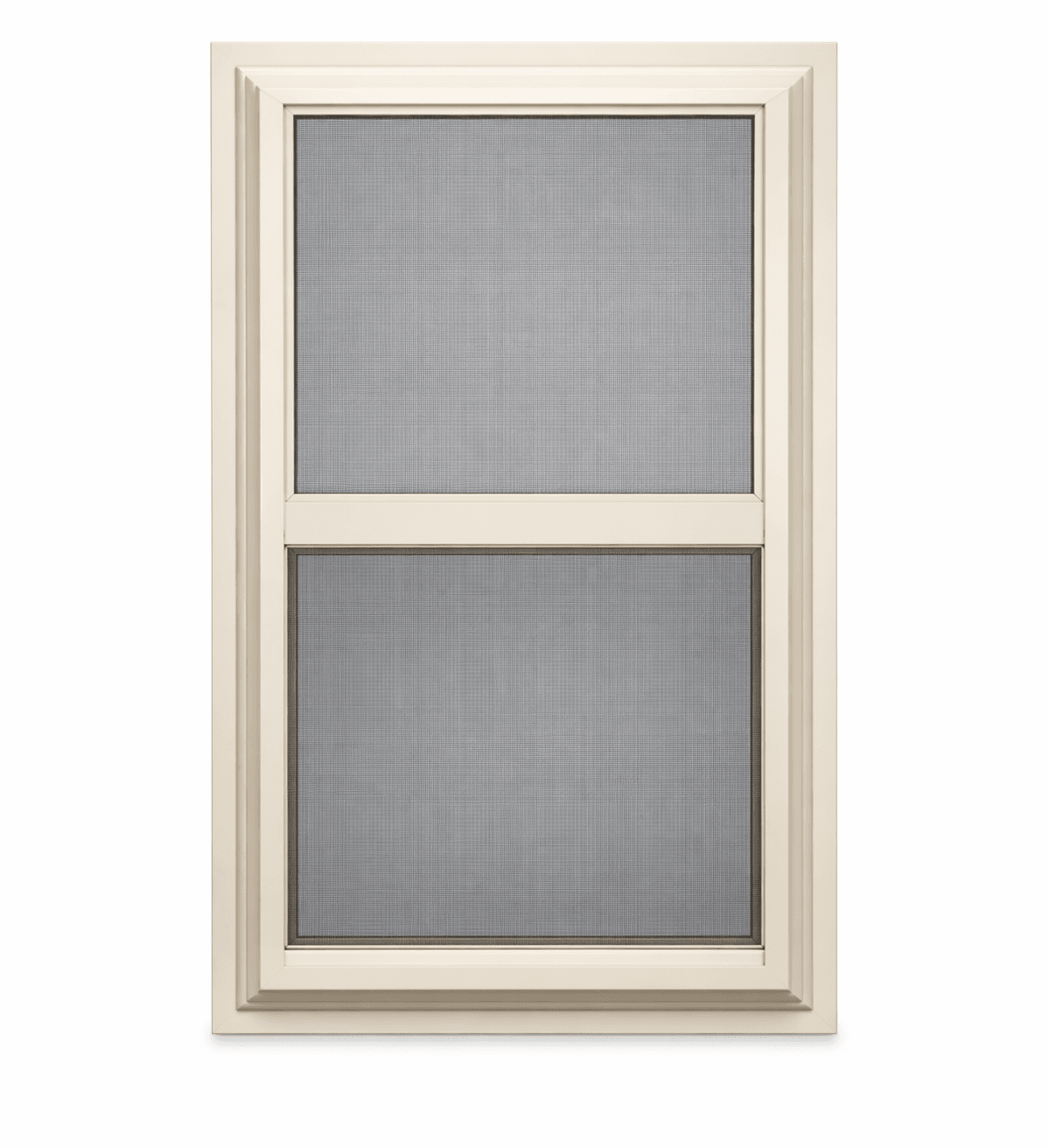
The insect screen built into the same frame as the glass.
Explore collection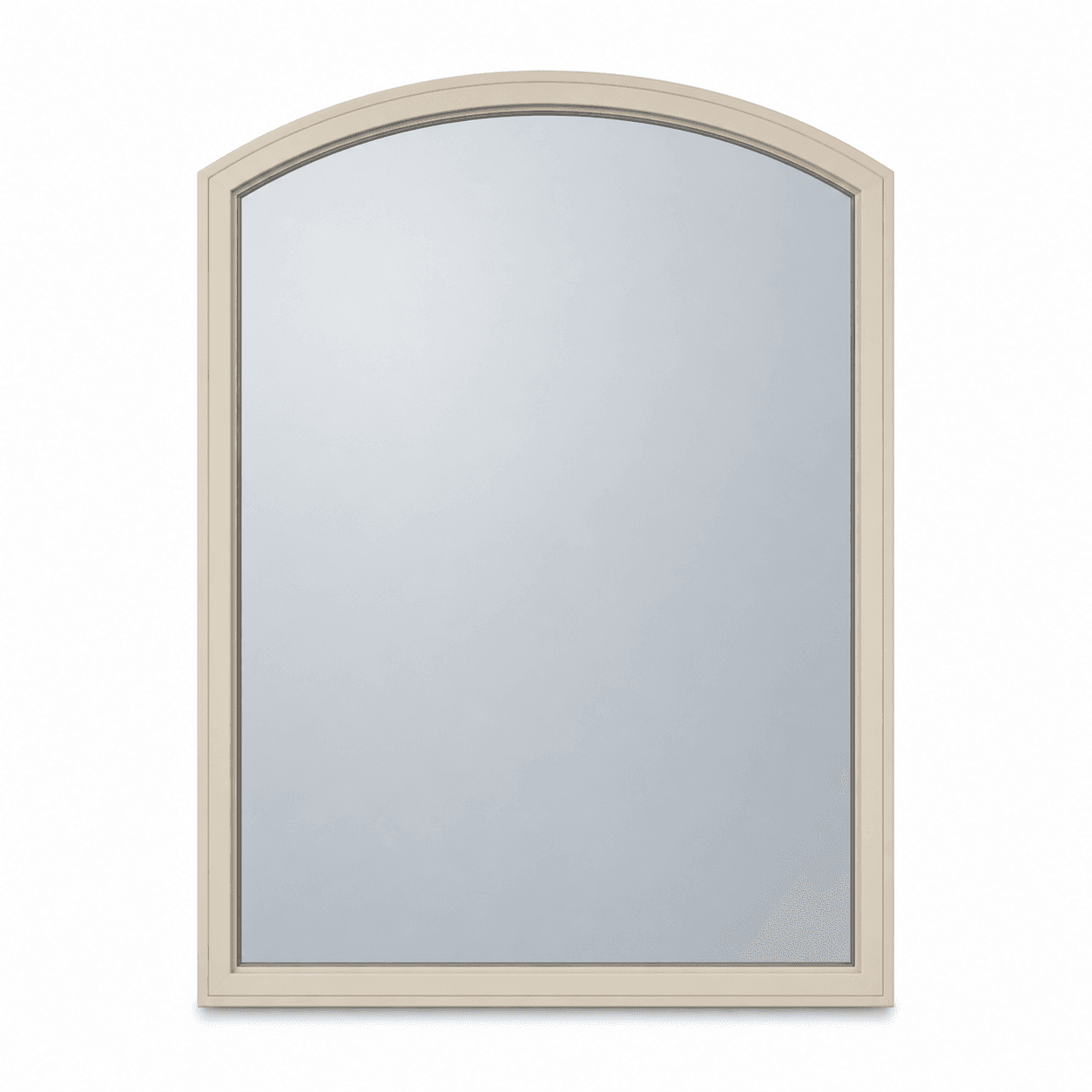
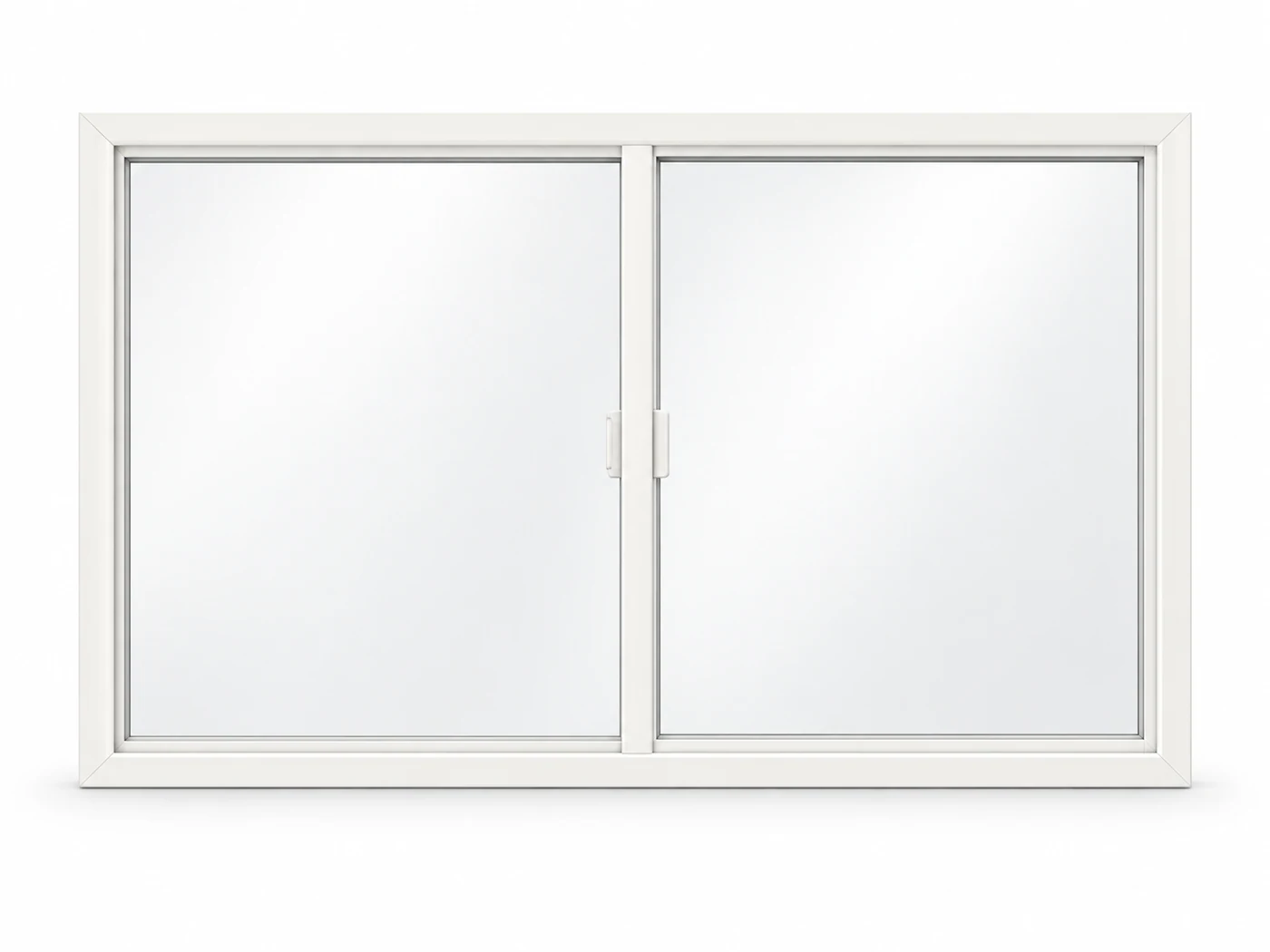
Compare two-panel and three-panel interior sliders for broad openings, horizontal windows, and grouped casements.
Explore collection