 Climate zones
Northern vs Southern ENERGY STAR zones
A storm window is certified for the climate it is built for. Here is what the zones mean, how to find yours, and which of our windows are listed for each.
Find your zone
The EPA assigns zones by county. Enter your ZIP code to see yours.
Your zoneFind your ENERGY STAR zone
Enter your ZIP code to see which of our windows are certified for your climate.
Source: U.S. EPA ENERGY STAR climate zones by county, checked October 2026.
Why the zone matters
Where you live decides what the glass should do. A cold climate wants to keep heat in and welcome winter sun. A warm climate wants to keep the sun’s heat out. ENERGY STAR sets the glass requirements to match.
Northern
Colder climates
Heating costs dominate. The glass must let solar heat through (solar transmittance above 0.55) and its Low-E coating must hold indoor heat in (emissivity 0.22 or lower).
North-Central
Mixed climates
Heating and cooling both matter. The Low-E limit is the same (0.22 or lower) and any solar transmittance is accepted, so windows listed Northern or Southern qualify.
South-Central and Southern
Warmer climates
Cooling costs matter more. The glass must limit solar heat (solar transmittance 0.55 or lower) with the same Low-E coating limit (emissivity 0.22 or lower).
Requirements from the ENERGY STAR storm window criteria, which define four zones. Our windows are listed as Northern or Southern: a Northern listing covers the Northern and North-Central zones, and a Southern listing covers North-Central, South-Central and Southern.
Which of our windows are listed for each zone
Northern and Southern listings
Certified in every zone, with its own glass for the Northern zone and for the warmer zones.
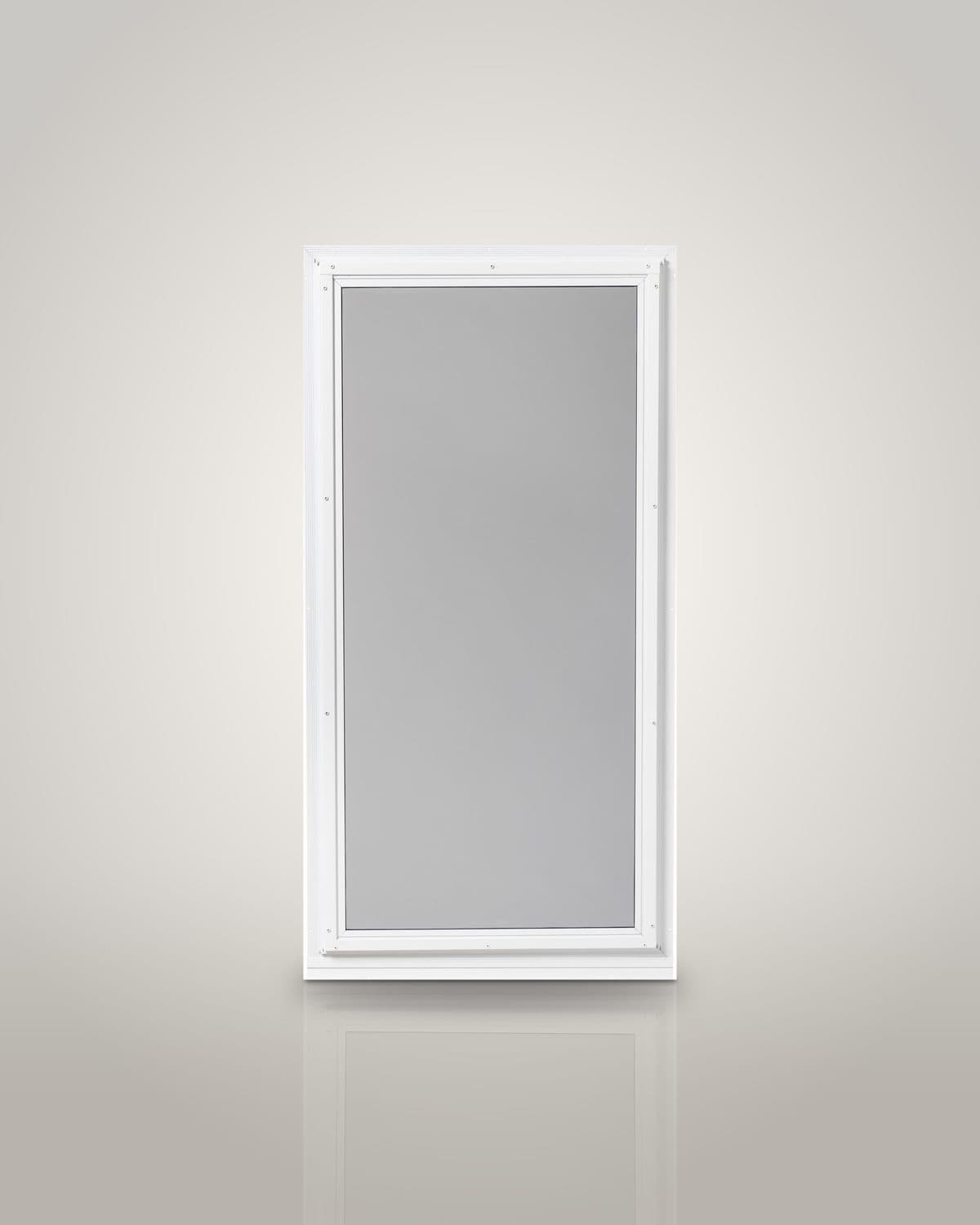 Aluminum Exterior Low-E Picture WindowNorthernSouthern
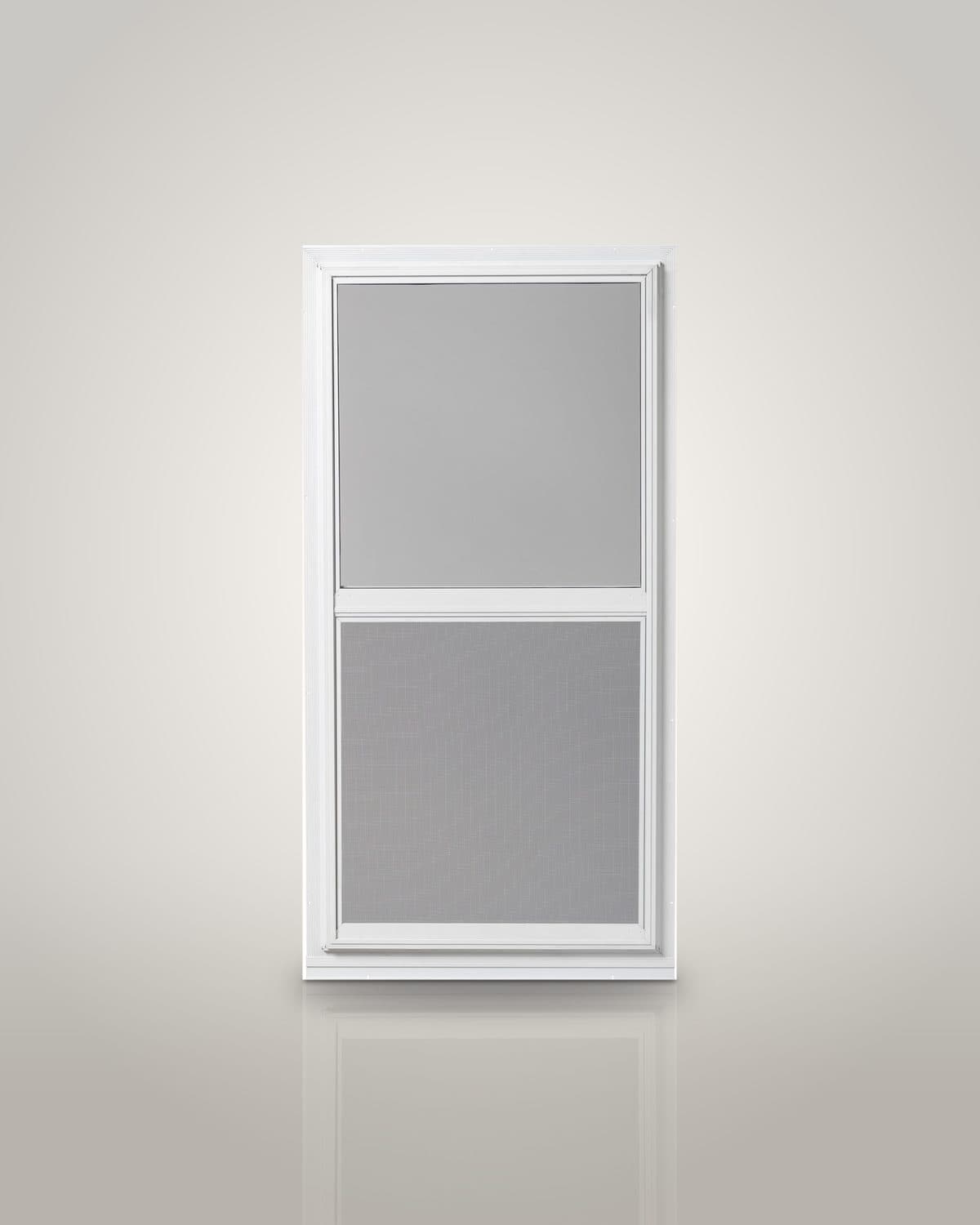 Aluminum Exterior Low-E Double HungNorthernSouthern
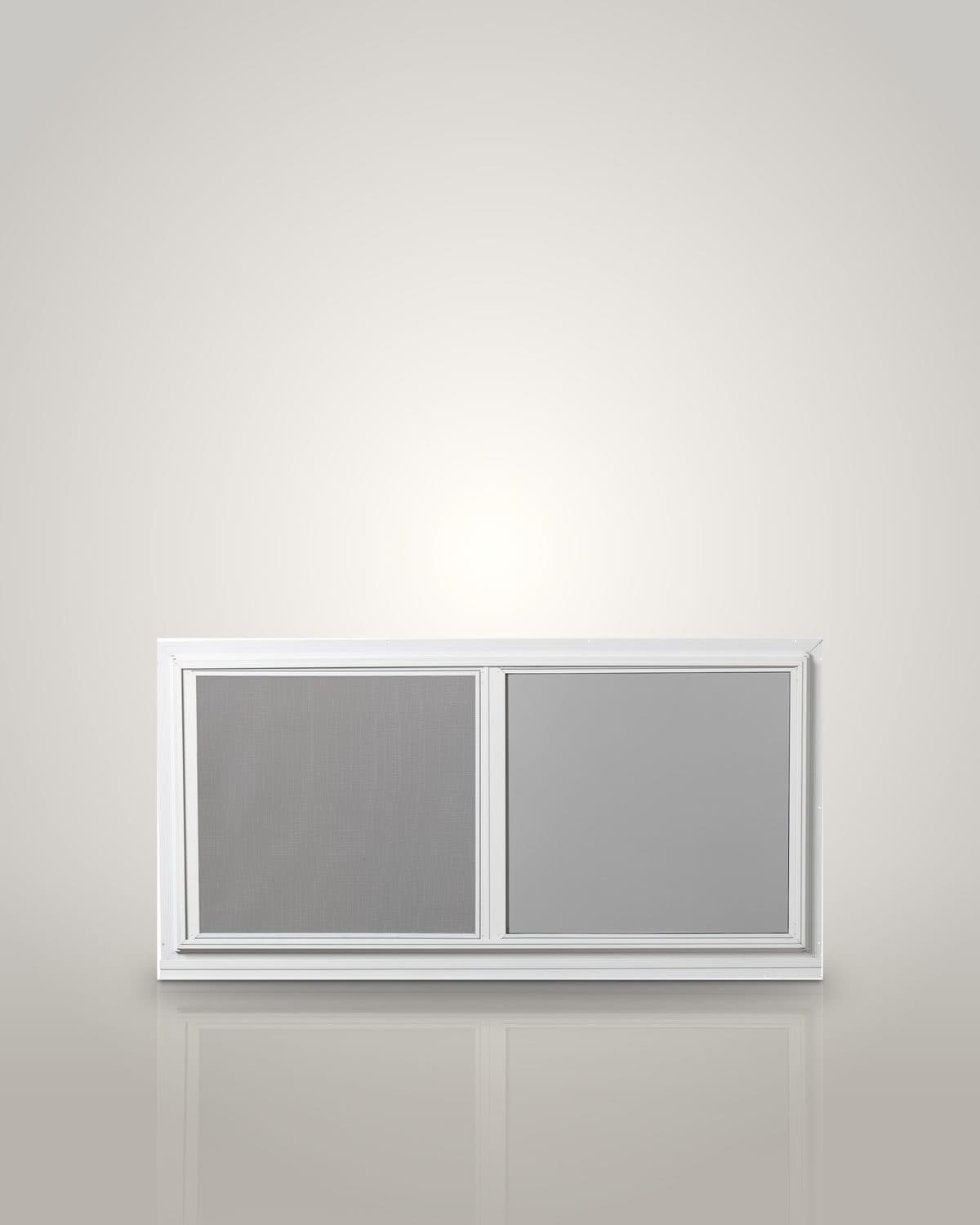 Aluminum Exterior Low-E SliderNorthernSouthern
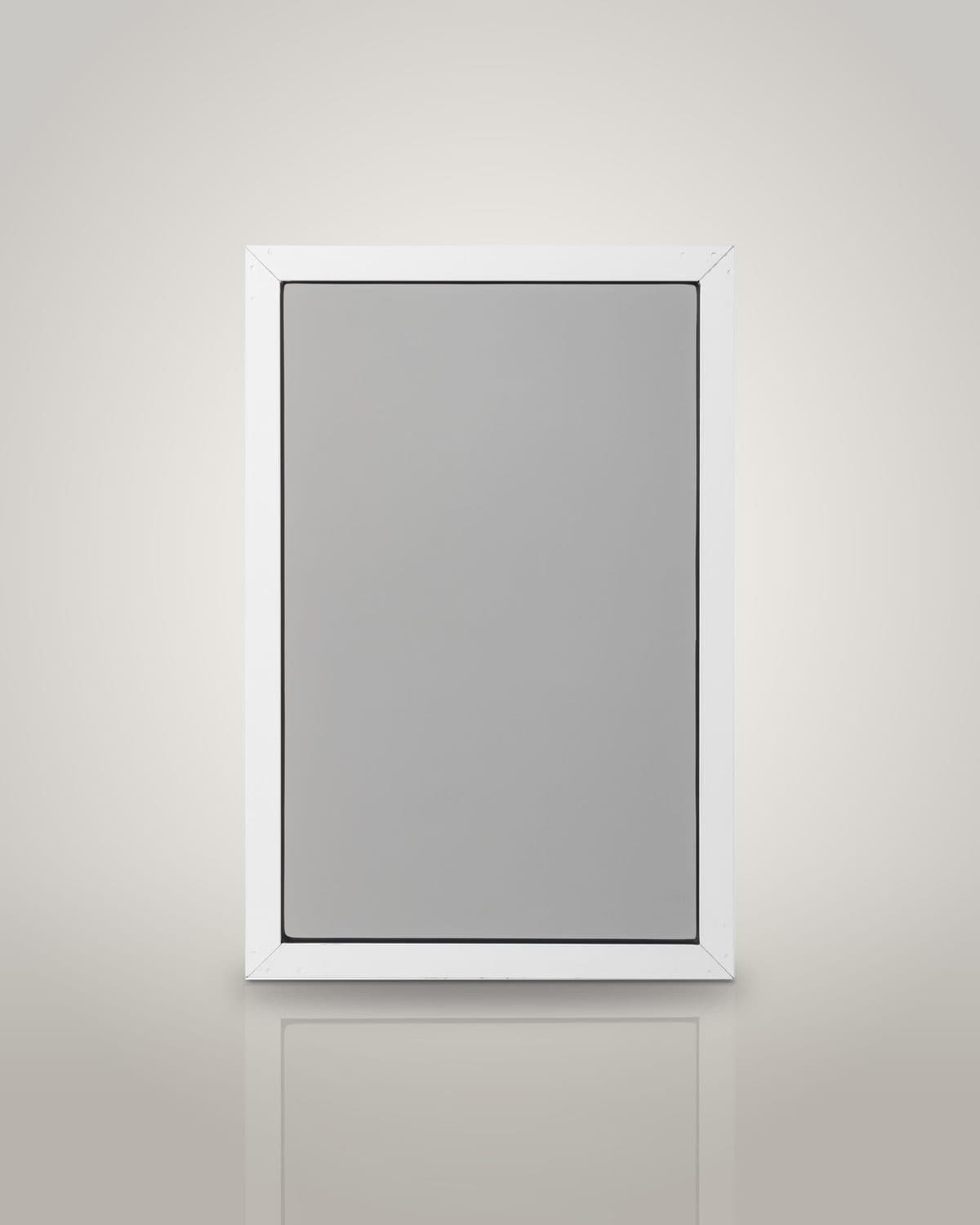 Direct-Mount Low-E Aluminum Storm PanelNorthernSouthern
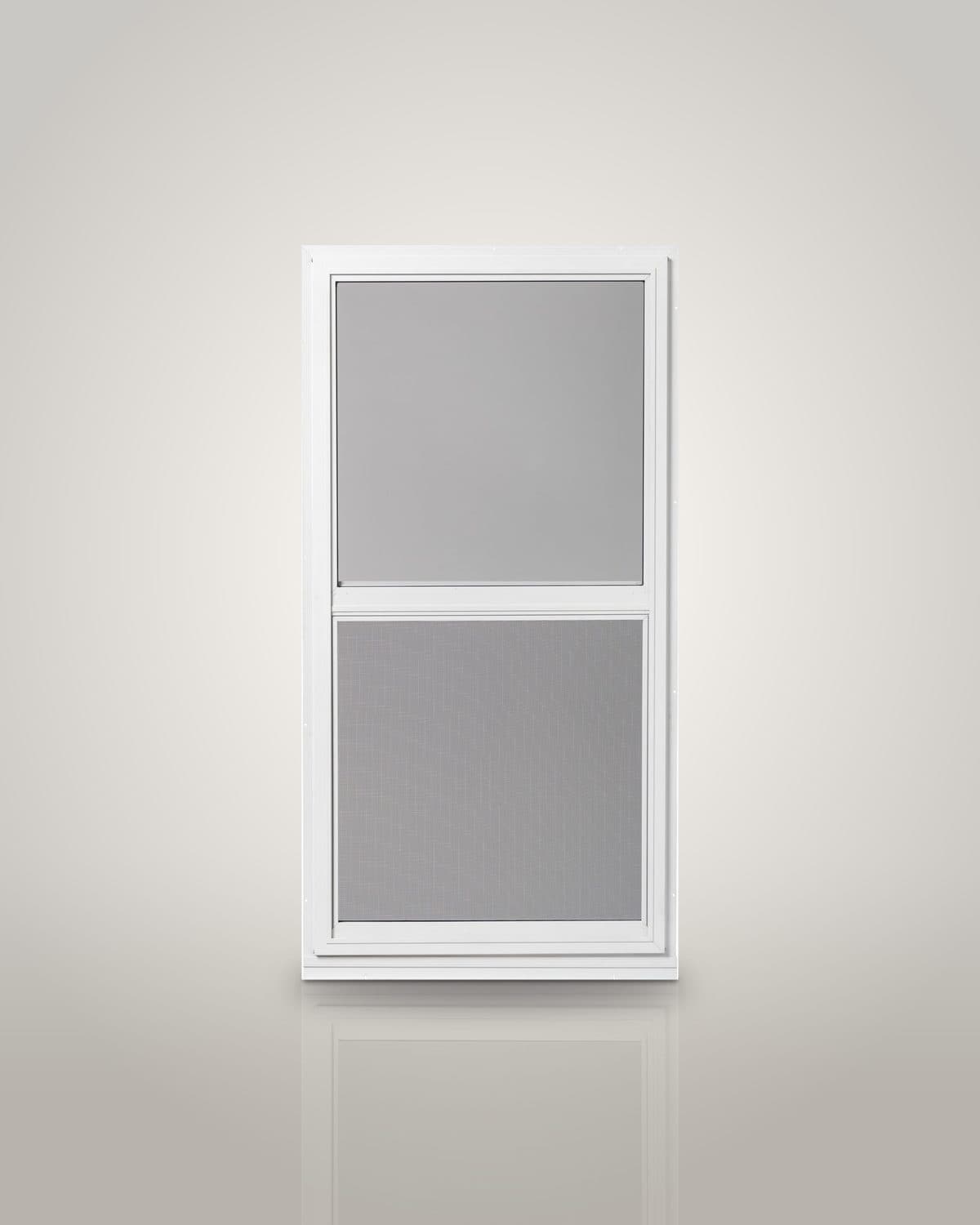 Architectural Aluminum Exterior Double HungNorthernSouthern
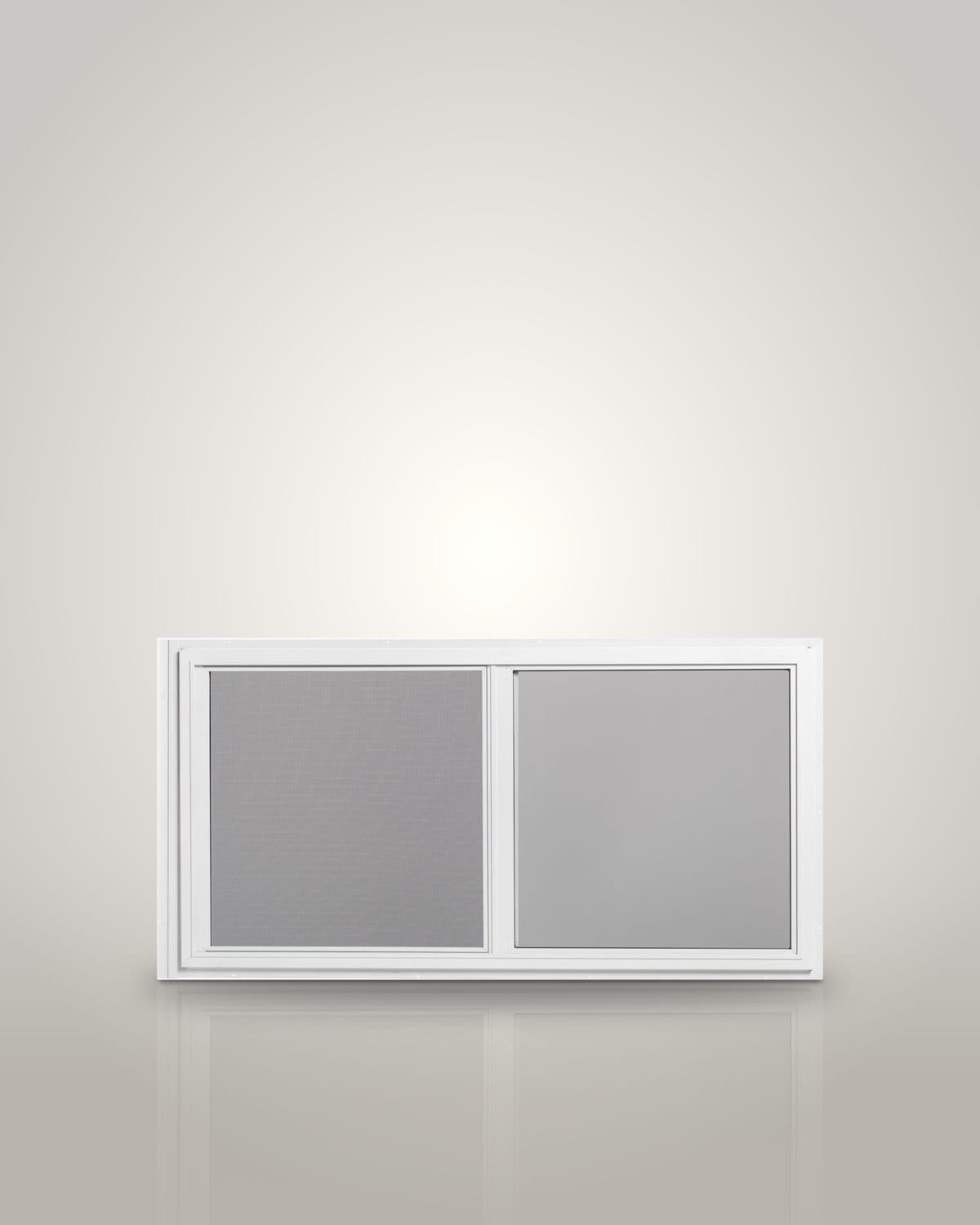 Architectural Aluminum Exterior SliderNorthernSouthern
Northern listing only
Certified for the Northern and North-Central zones.
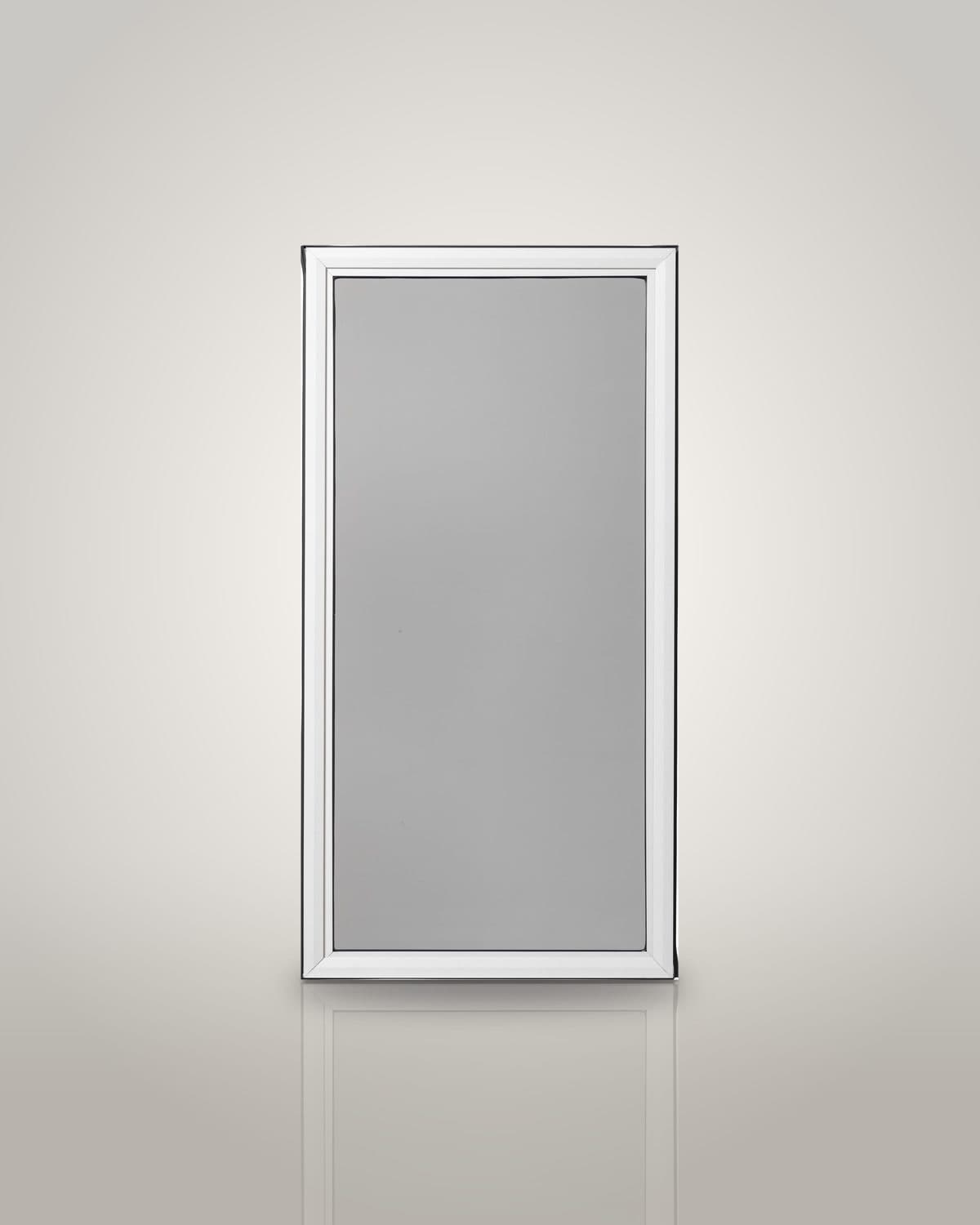 Low-E Aluminum Fixed Interior Storm WindowNorthern
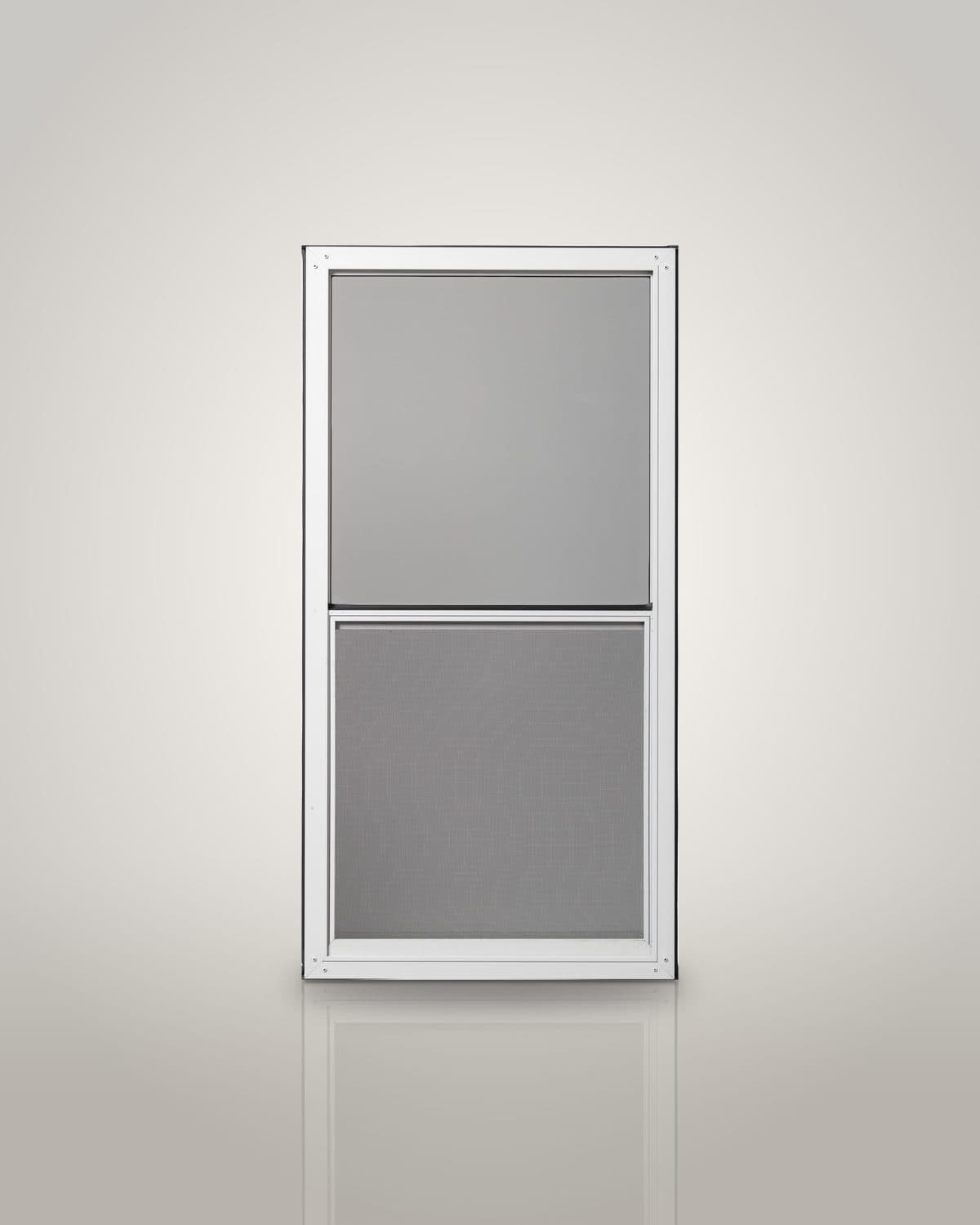 Low-E Aluminum Double-Hung Interior Storm Window with ScreenNorthern
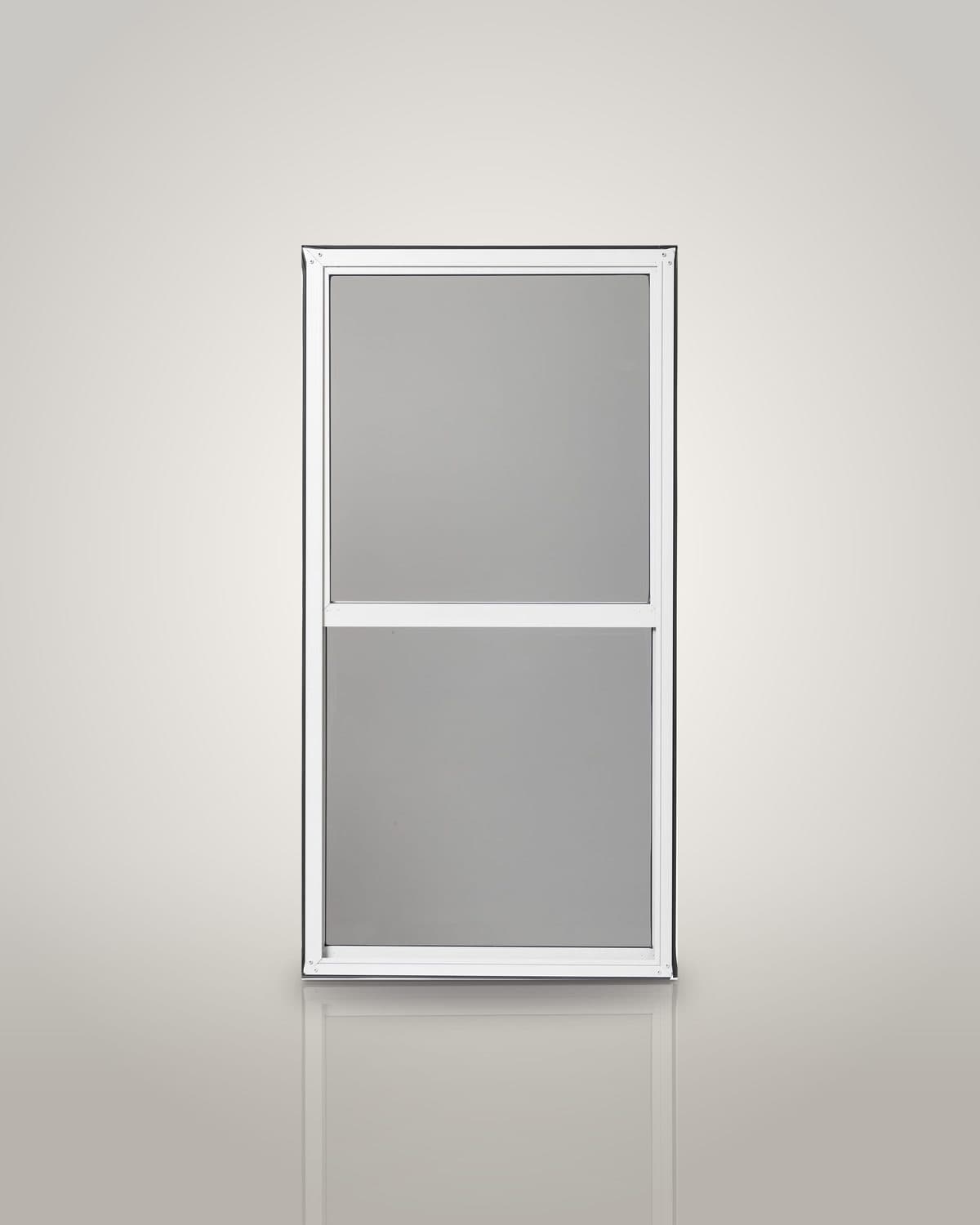 Slim Low-E Aluminum Double-Hung Interior Storm WindowNorthern
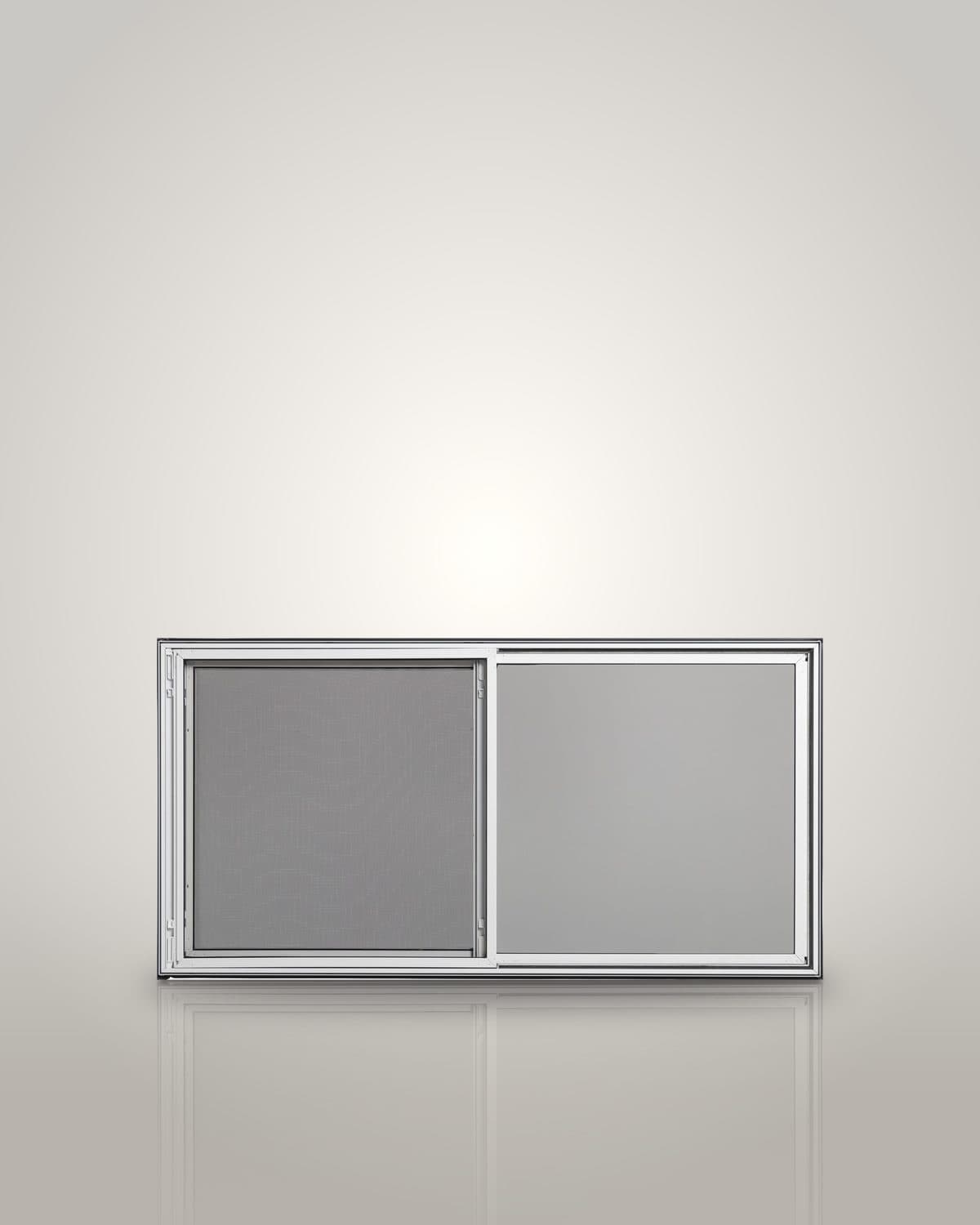 Low-E Aluminum Sliding Interior Storm Window with ScreenNorthern
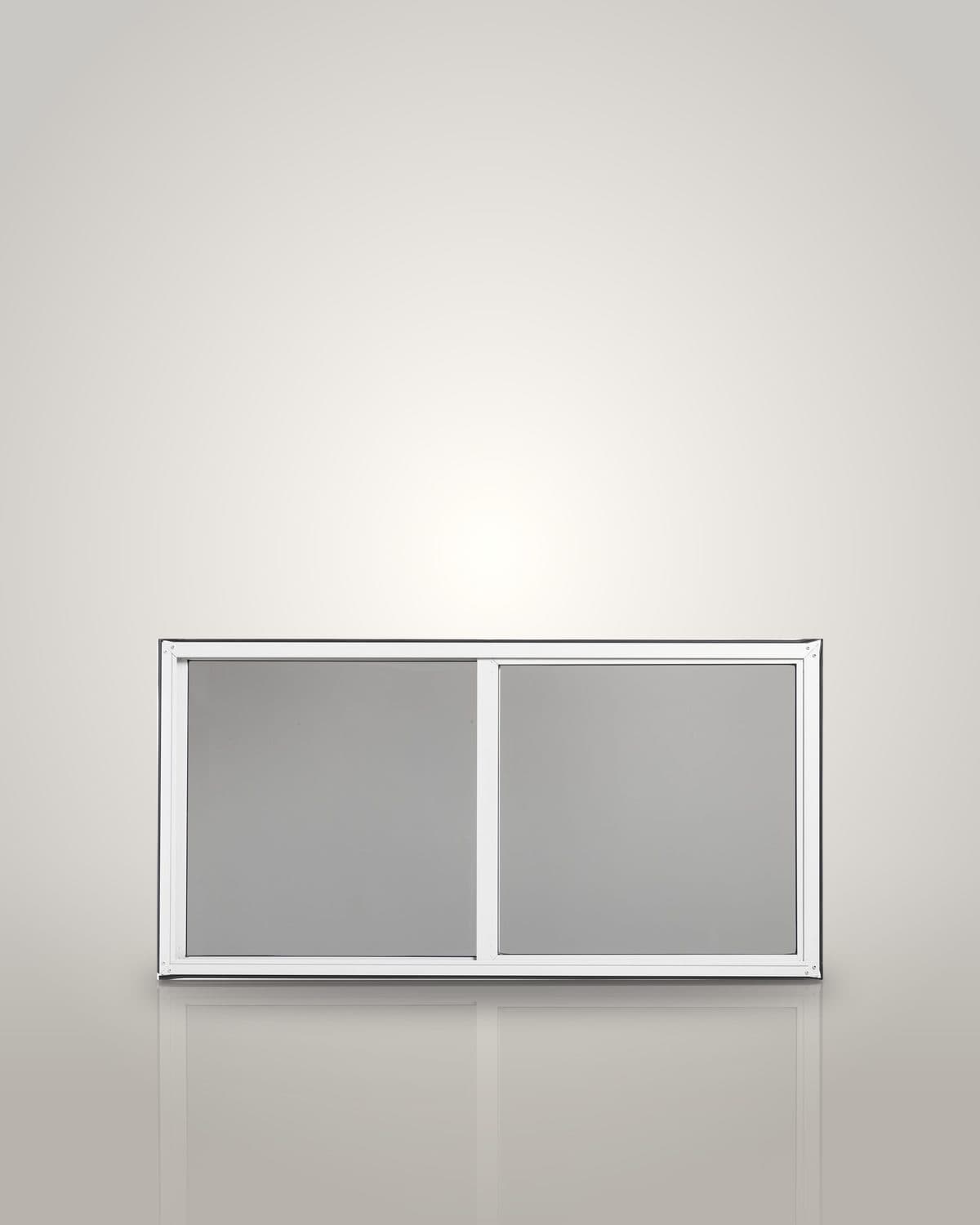 Slim Low-E Aluminum Sliding Interior Storm WindowNorthern
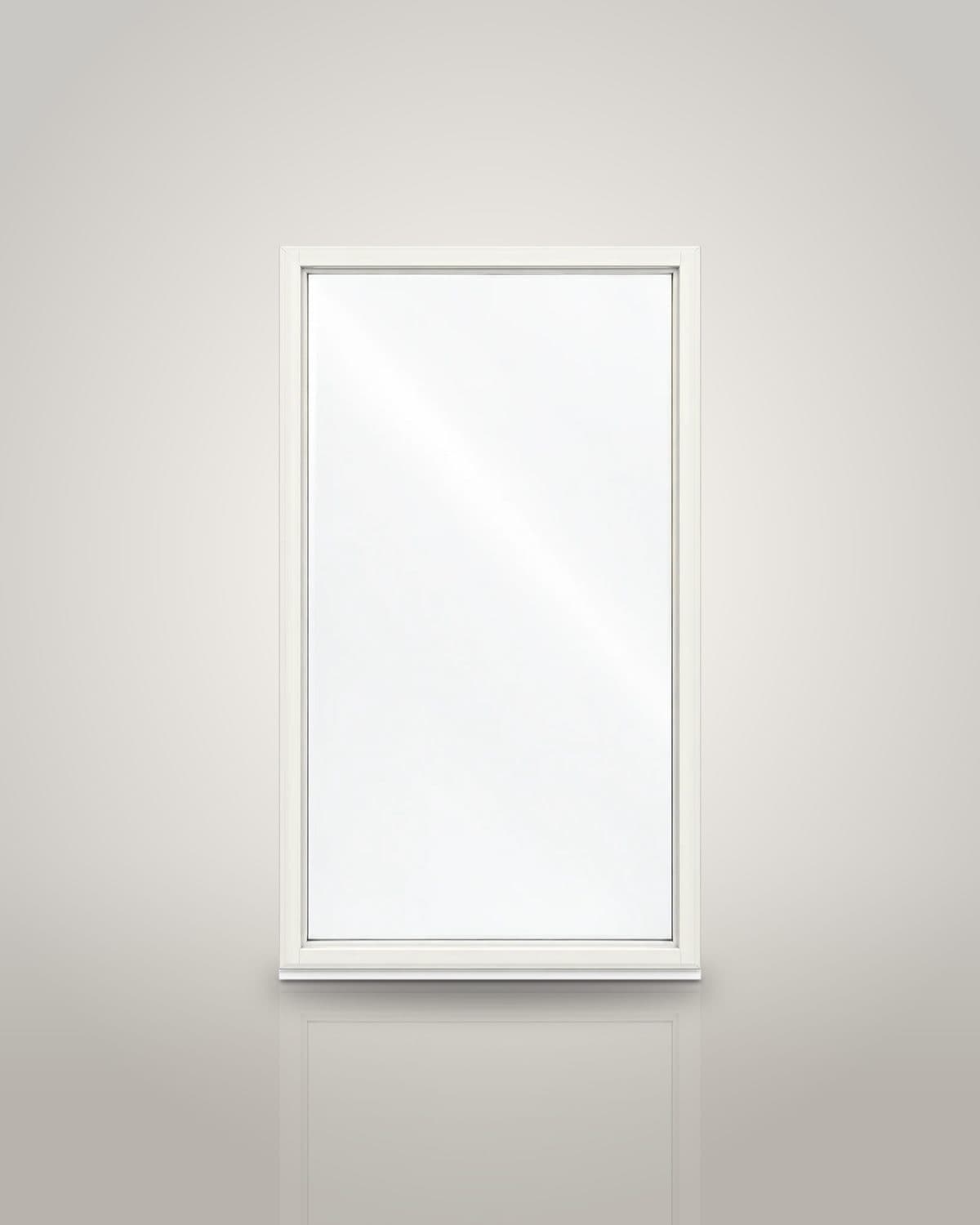 Compression-Fit Vinyl Interior Storm WindowNorthern
Certification is listed model by model and zone by zone. Windows we sell that are not shown here are not ENERGY STAR certified.
FAQs
What is the difference between the Northern and Southern ENERGY STAR zones?
The zone sets what the window glass has to do. In the Northern zone the glass must let a fair amount of solar heat through (solar transmittance above 0.55) while holding indoor heat in. In the warmer zones the glass must limit solar heat (0.55 or lower). In every zone the Low-E coating must have an emissivity of 0.22 or lower.
How do I find my ENERGY STAR climate zone?
Enter your ZIP code in the zone finder on this page. It uses the EPA’s county-by-county zone assignments, shows your zone and lists our certified windows listed for it. ENERGY STAR assigns zones by county, so a ZIP code that crosses a county line can be near a zone boundary; contact us if you are unsure.
Can one window be certified for both zones?
Yes, but each zone is a separate listing with its own glass. Our exterior Low-E windows and our direct-mount Low-E panel are listed for both the Northern and Southern zones.
I live in Georgia or South Carolina. Which windows should I look at?
Look for windows listed for the Southern zone: our exterior Low-E windows (picture, double-hung and slider) and the direct-mount Low-E panel. Our certified interior windows are listed for the Northern zone only. Not sure which zone fits your home? Contact us and we will help you choose.
Is a window certified for the Northern zone a bad choice in the South?
Not necessarily, but the ENERGY STAR certification and the EPA savings estimates apply to the zone a model is listed for. A Low-E window listed only for the Northern zone is not certified for the Southern zone.
Do the zones change the air leakage or emissivity numbers?
The air leakage limits are the same in every zone: 1.5 cfm per square foot or less for exterior storm windows and 0.5 or less for interior ones. The glass numbers differ slightly by listing. For example, our exterior double-hung is listed at 0.16 emissivity in the Northern zone and 0.17 in the Southern zone.
Choose a window for your climate
Shop our ENERGY STAR certified windows, or tell us where you live and we will point you to the right one.