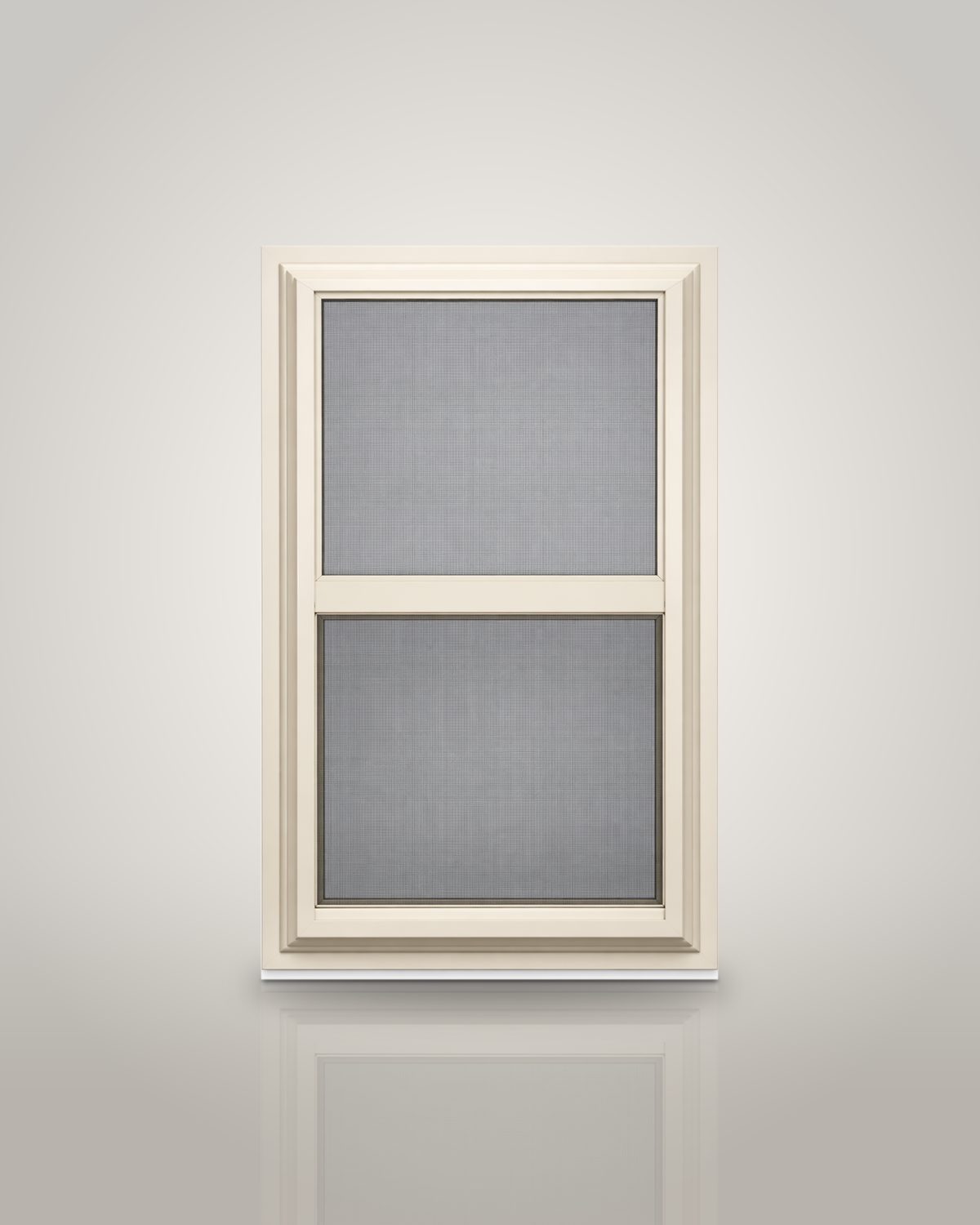
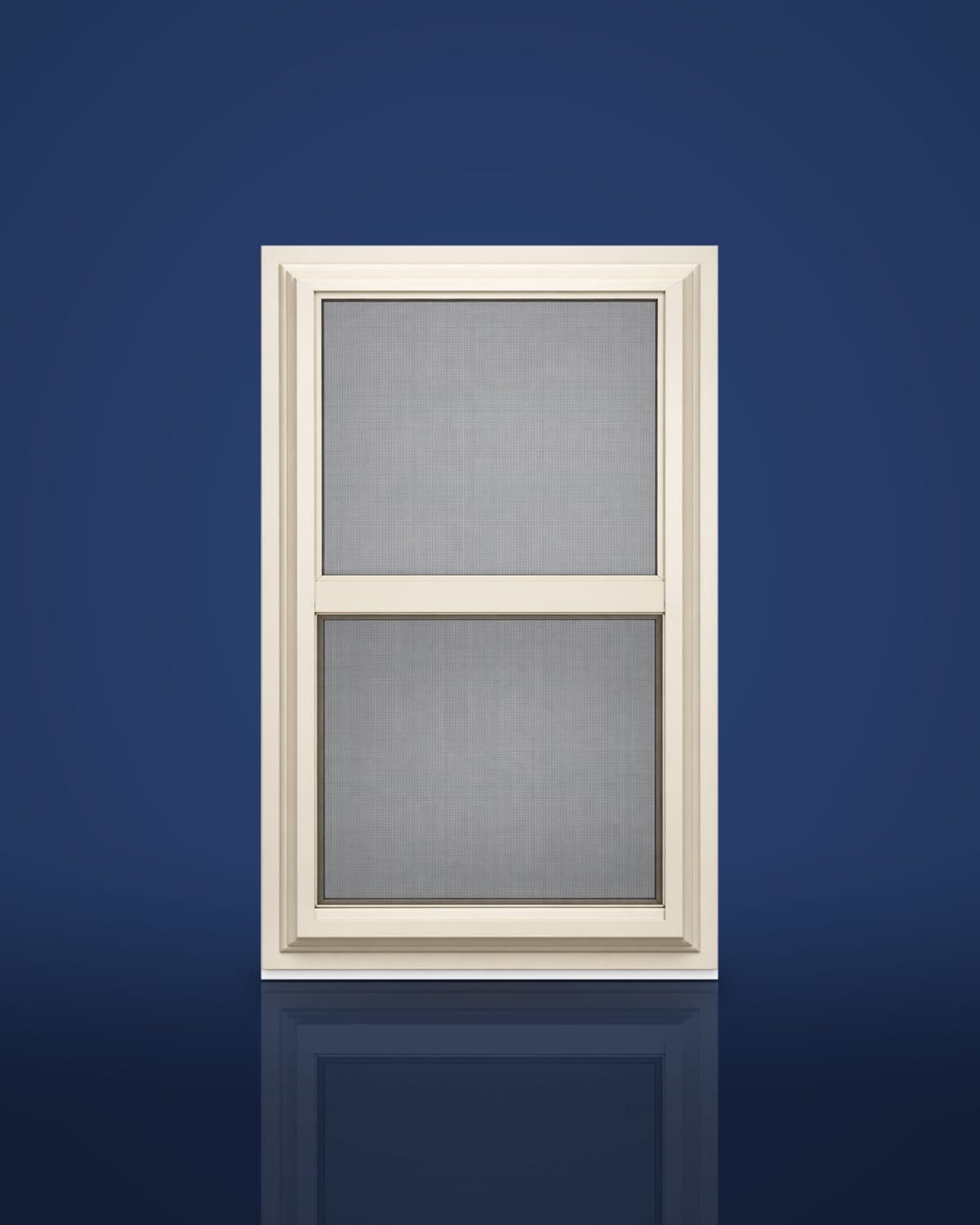
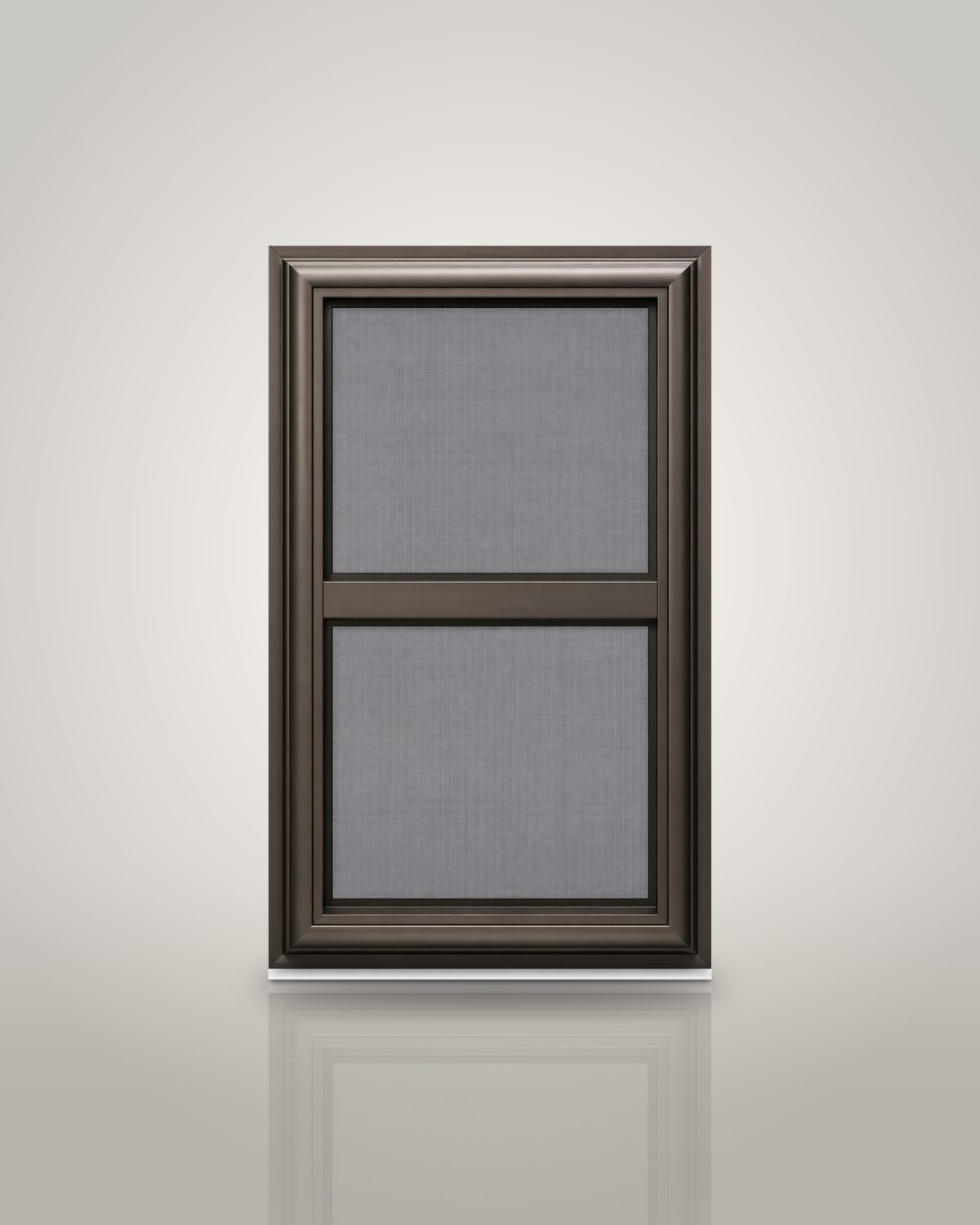
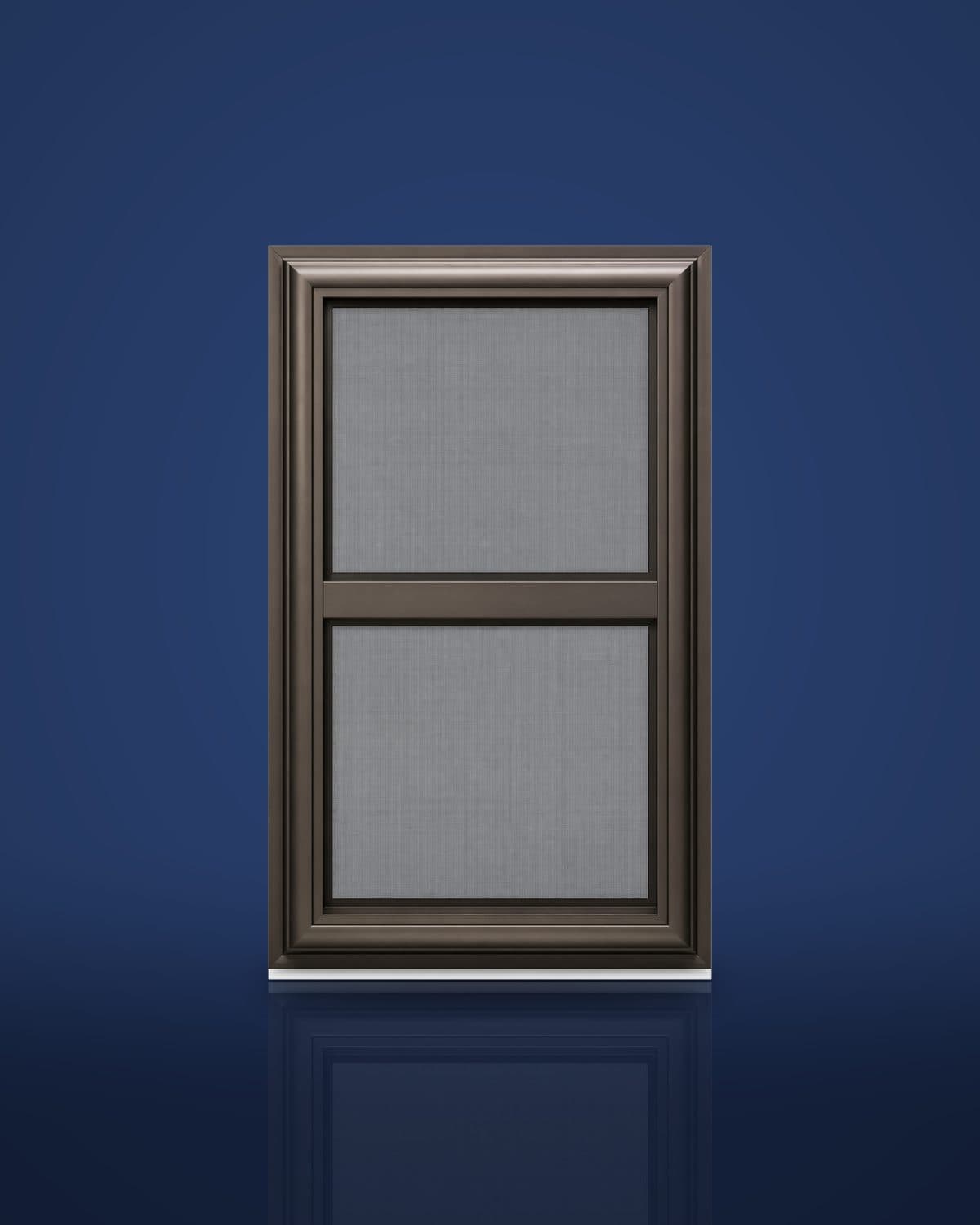
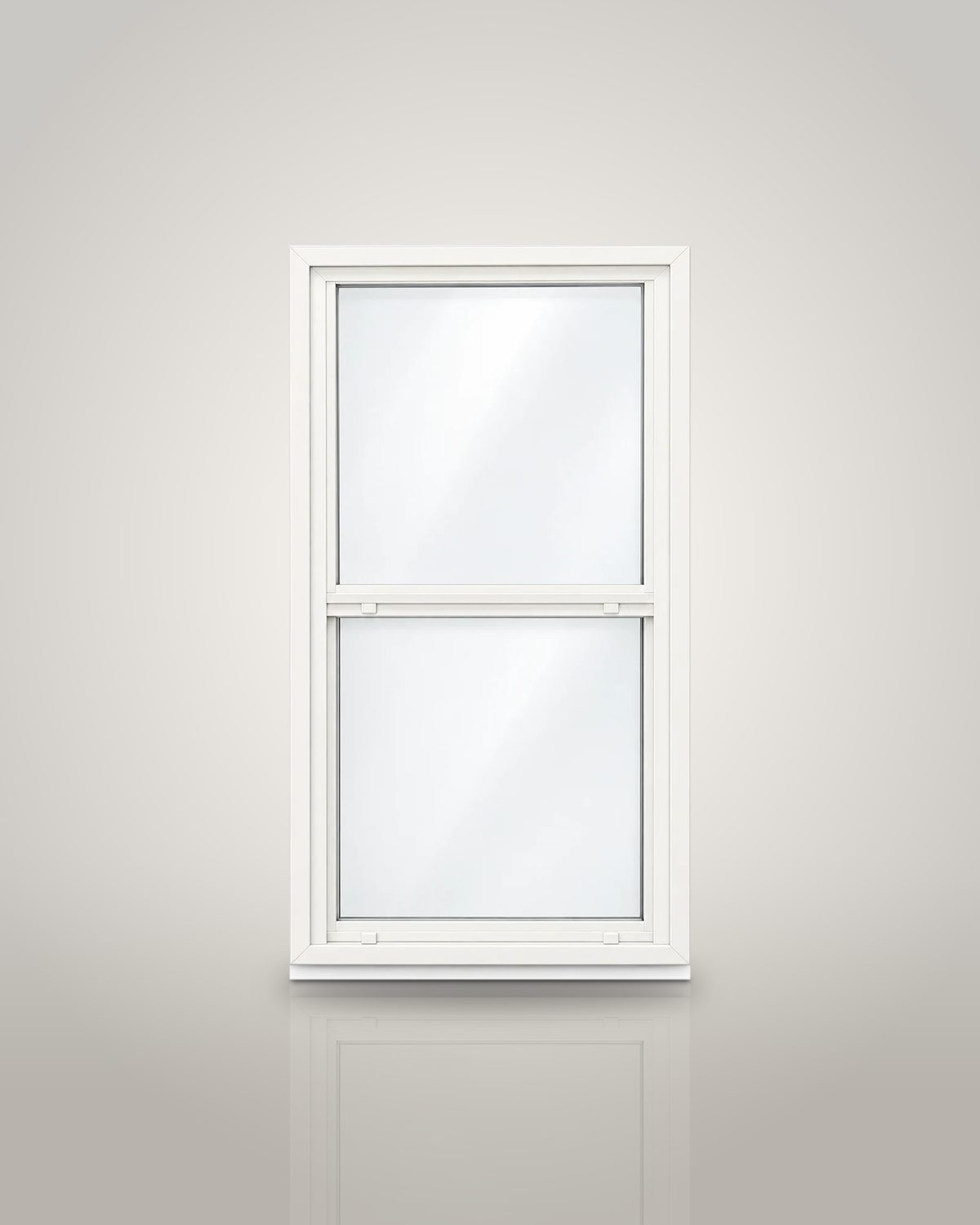
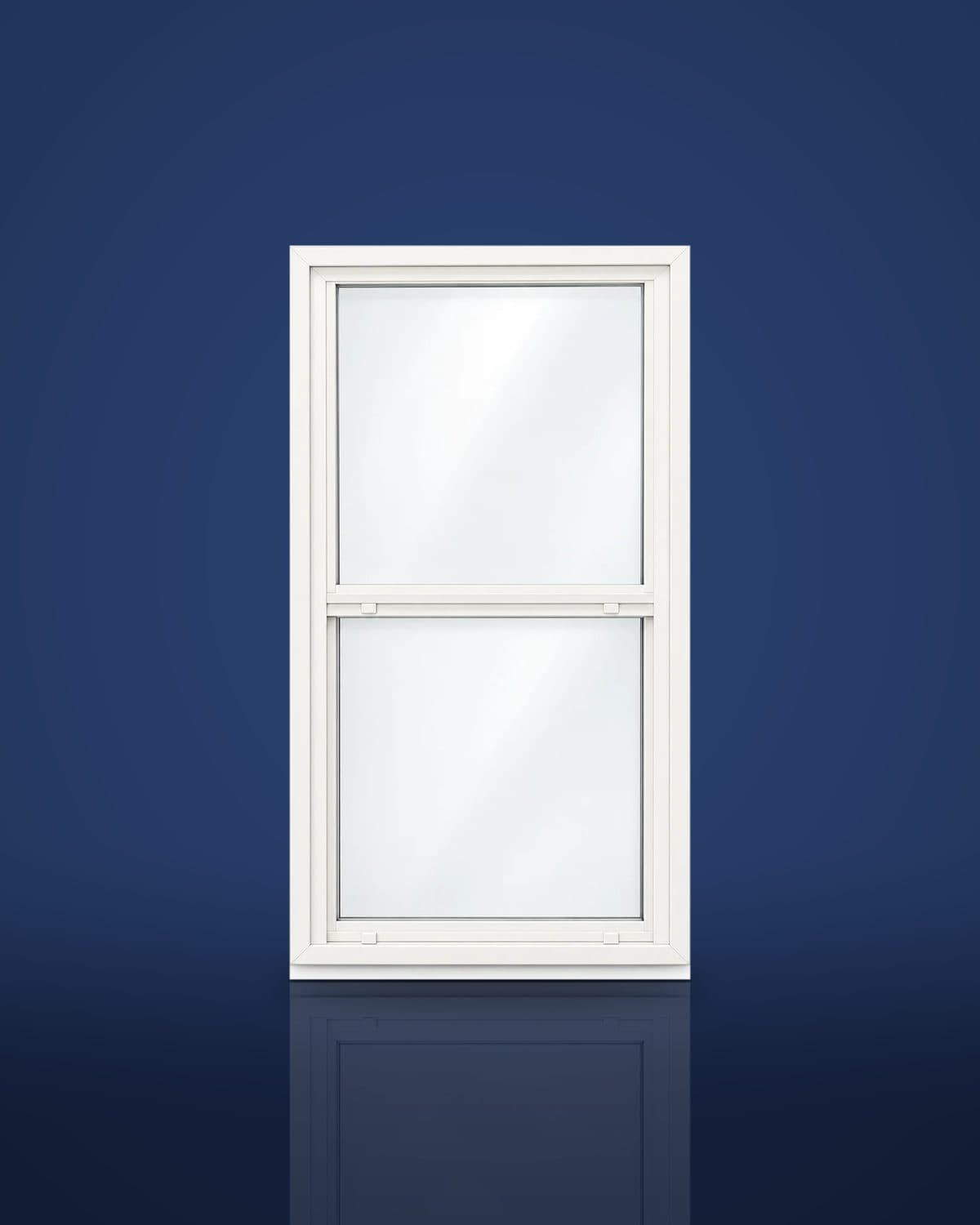
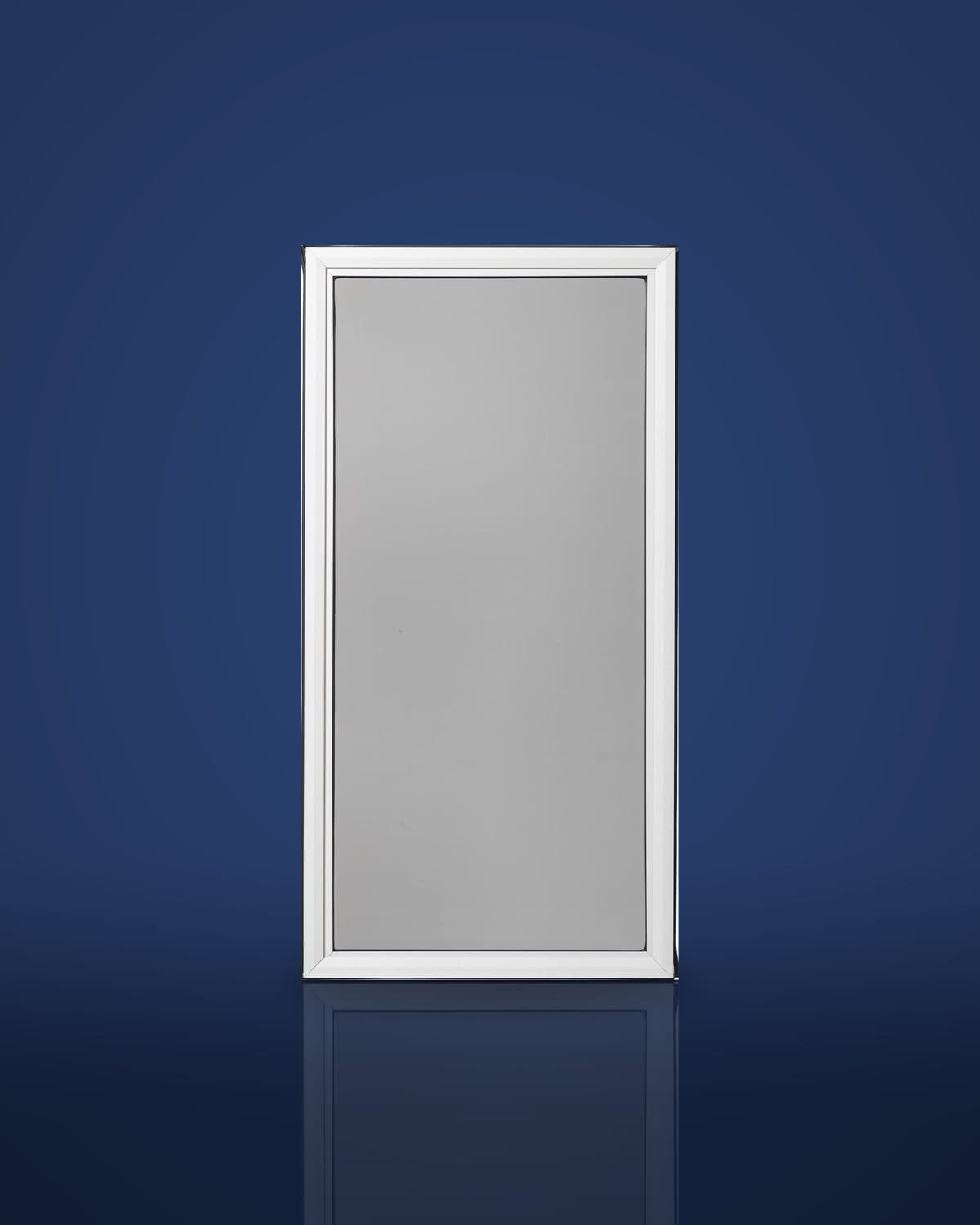
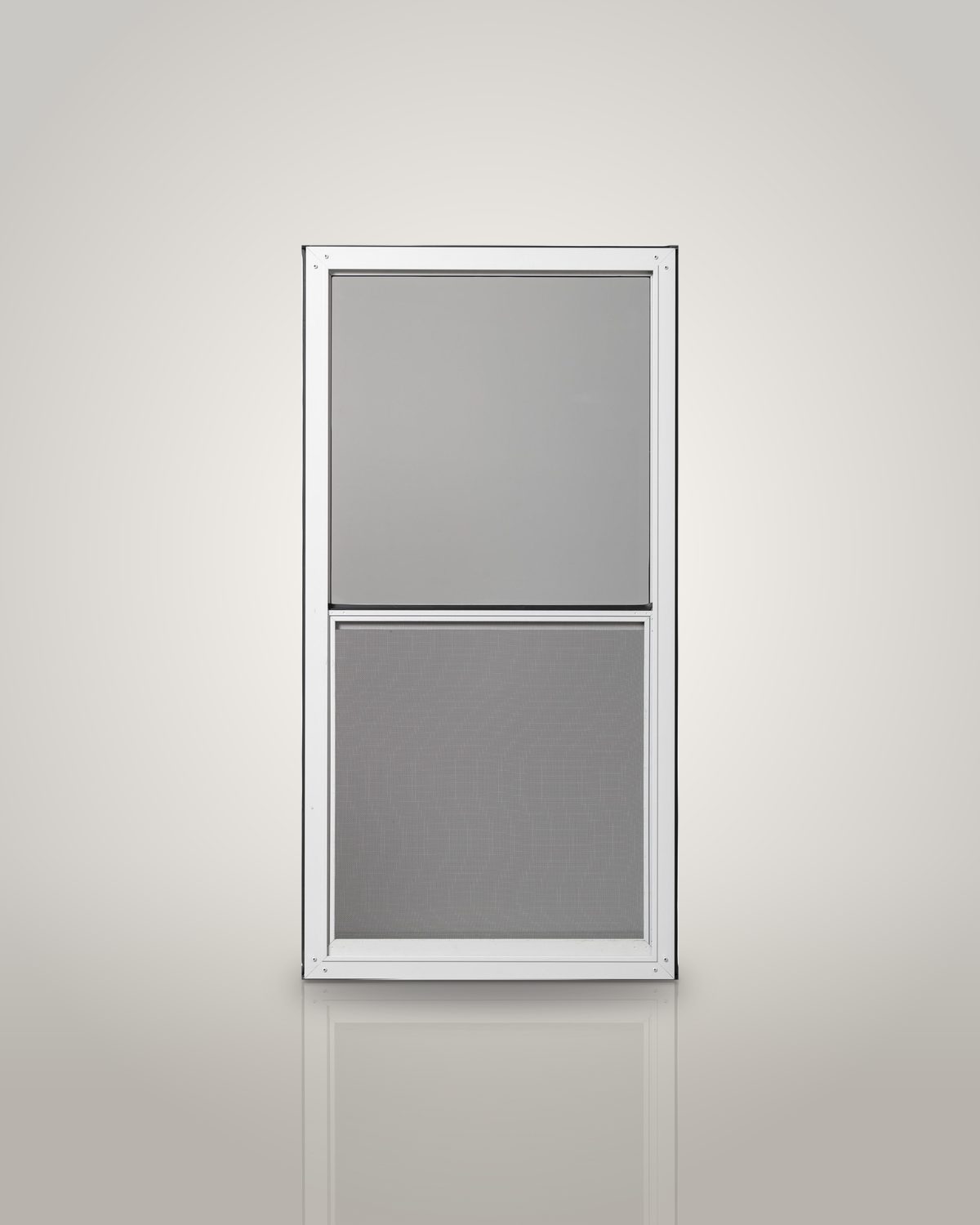
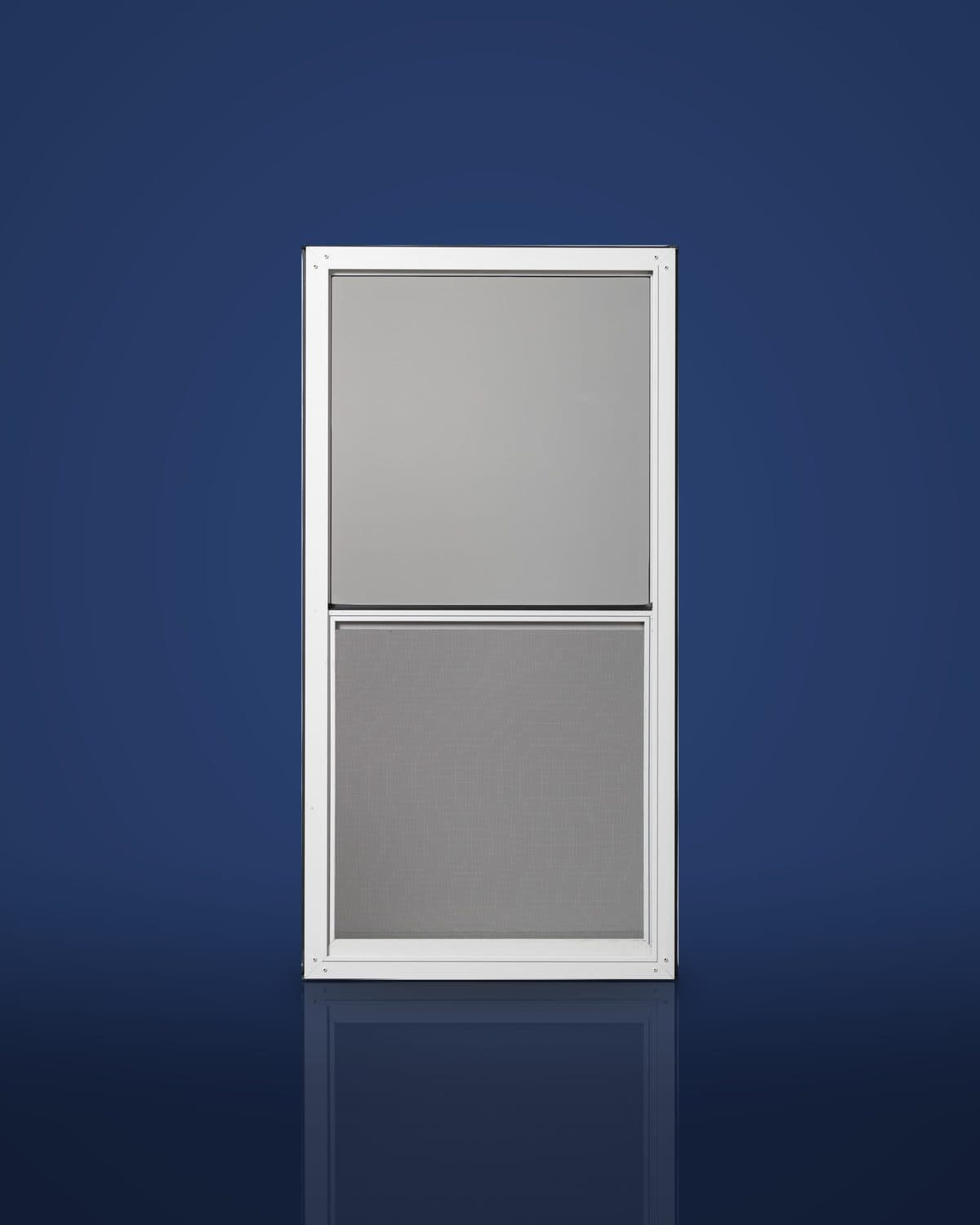
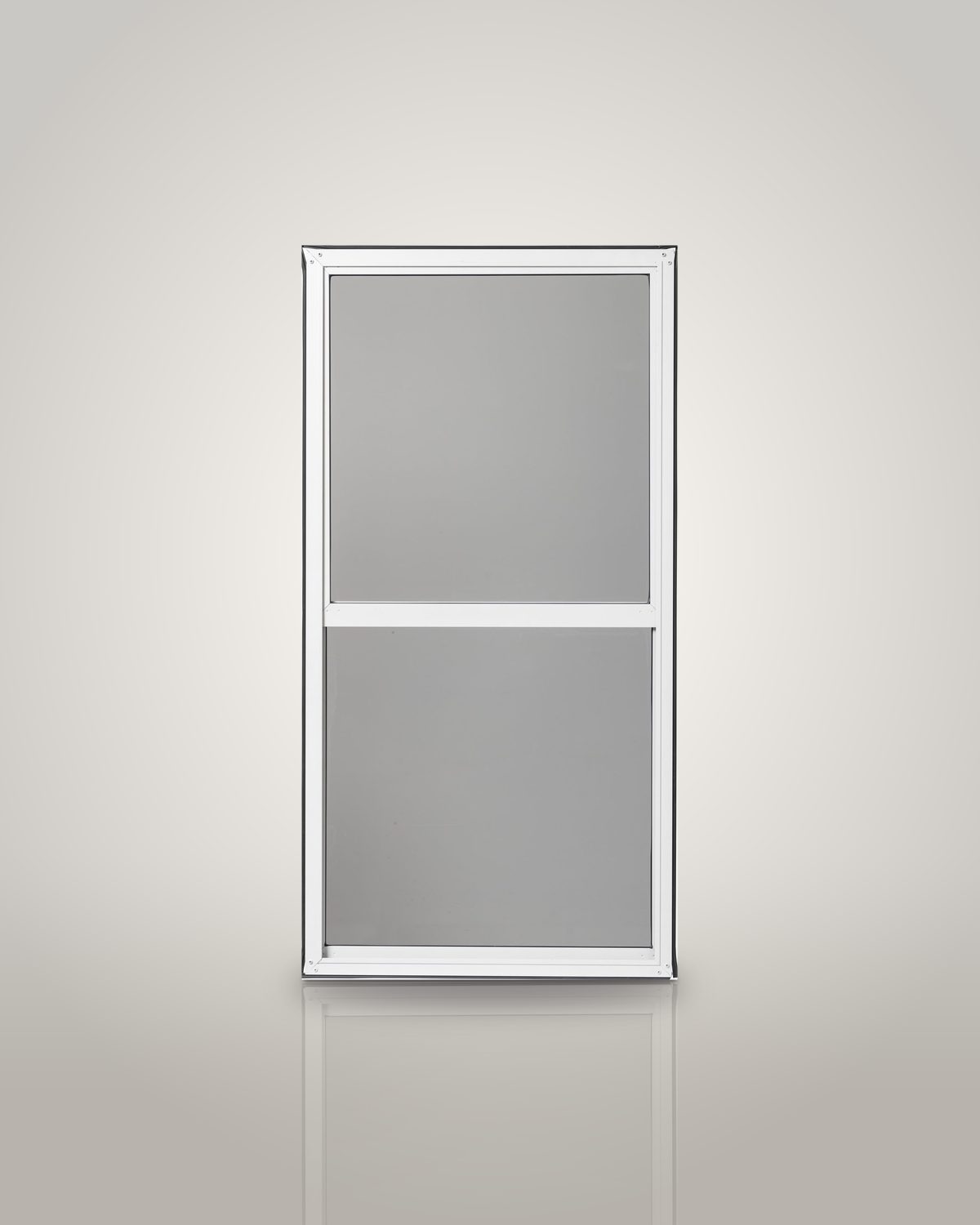
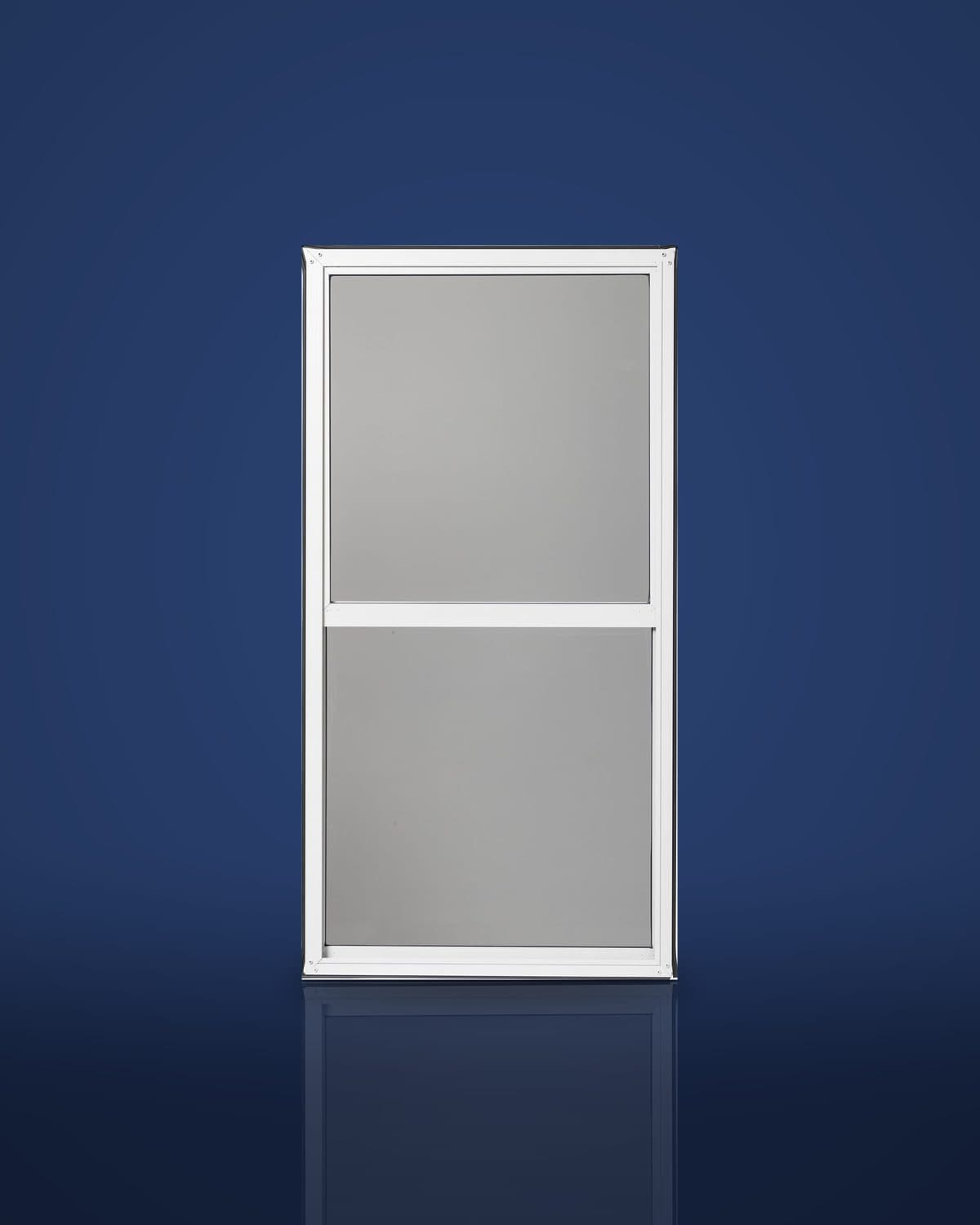
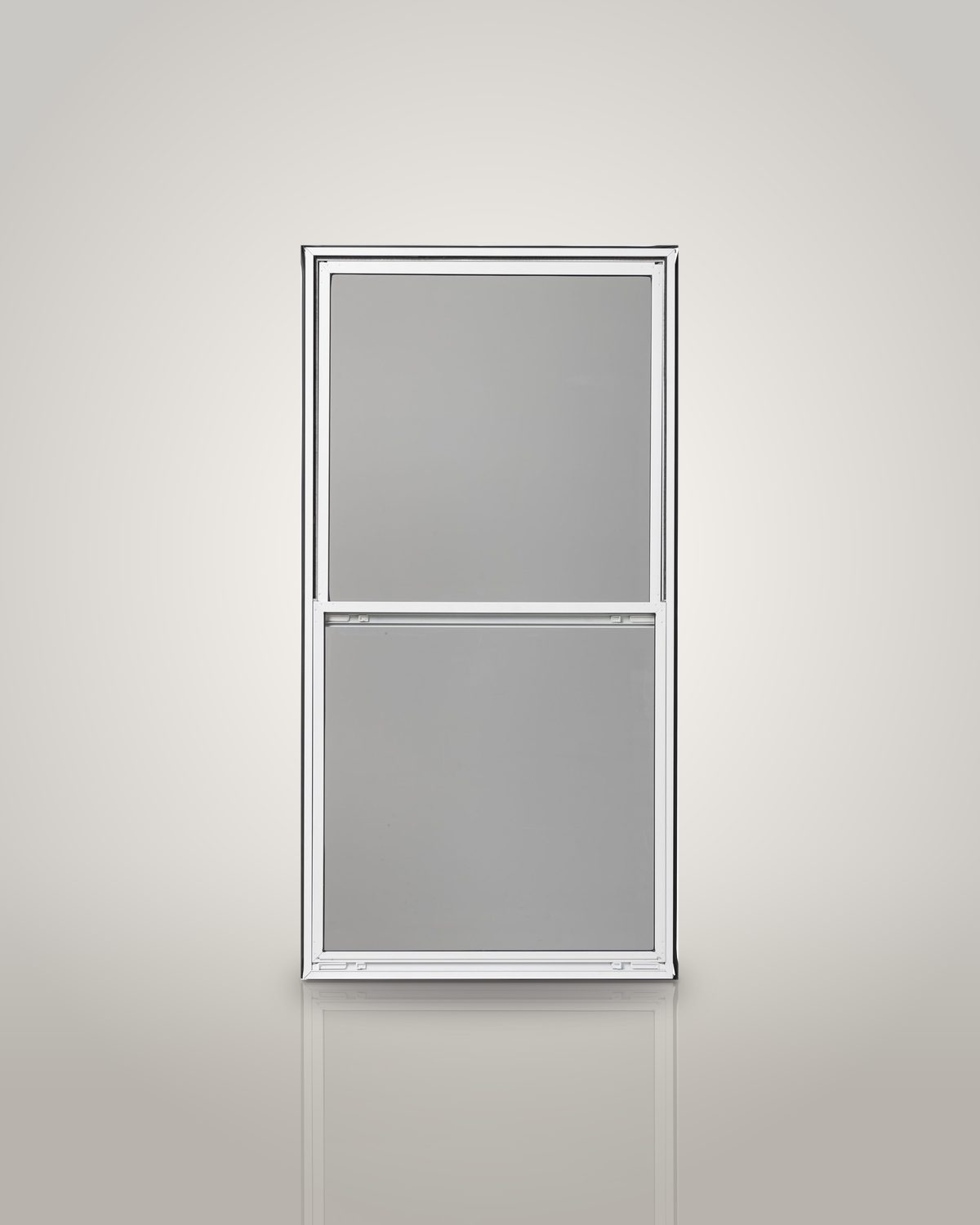
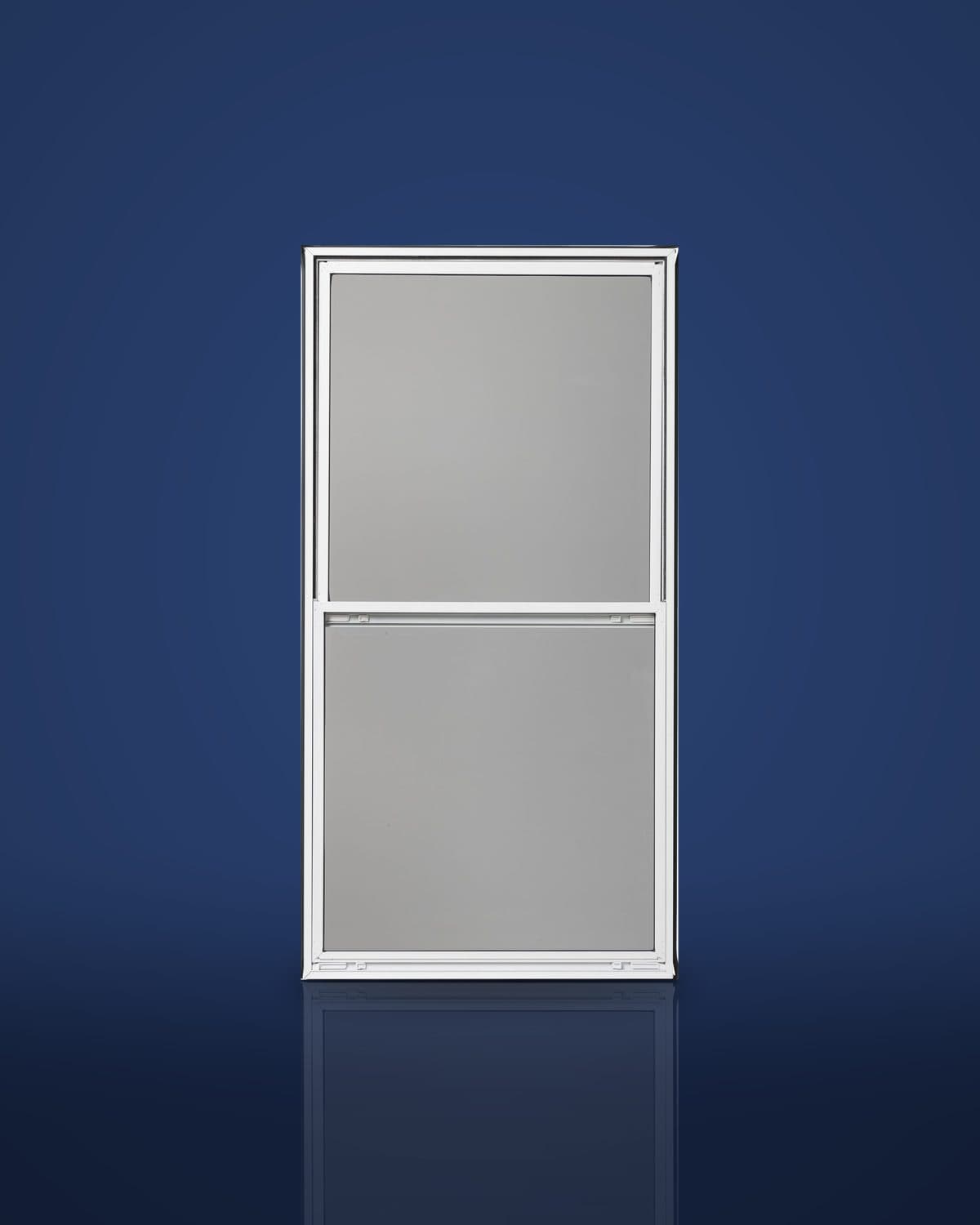
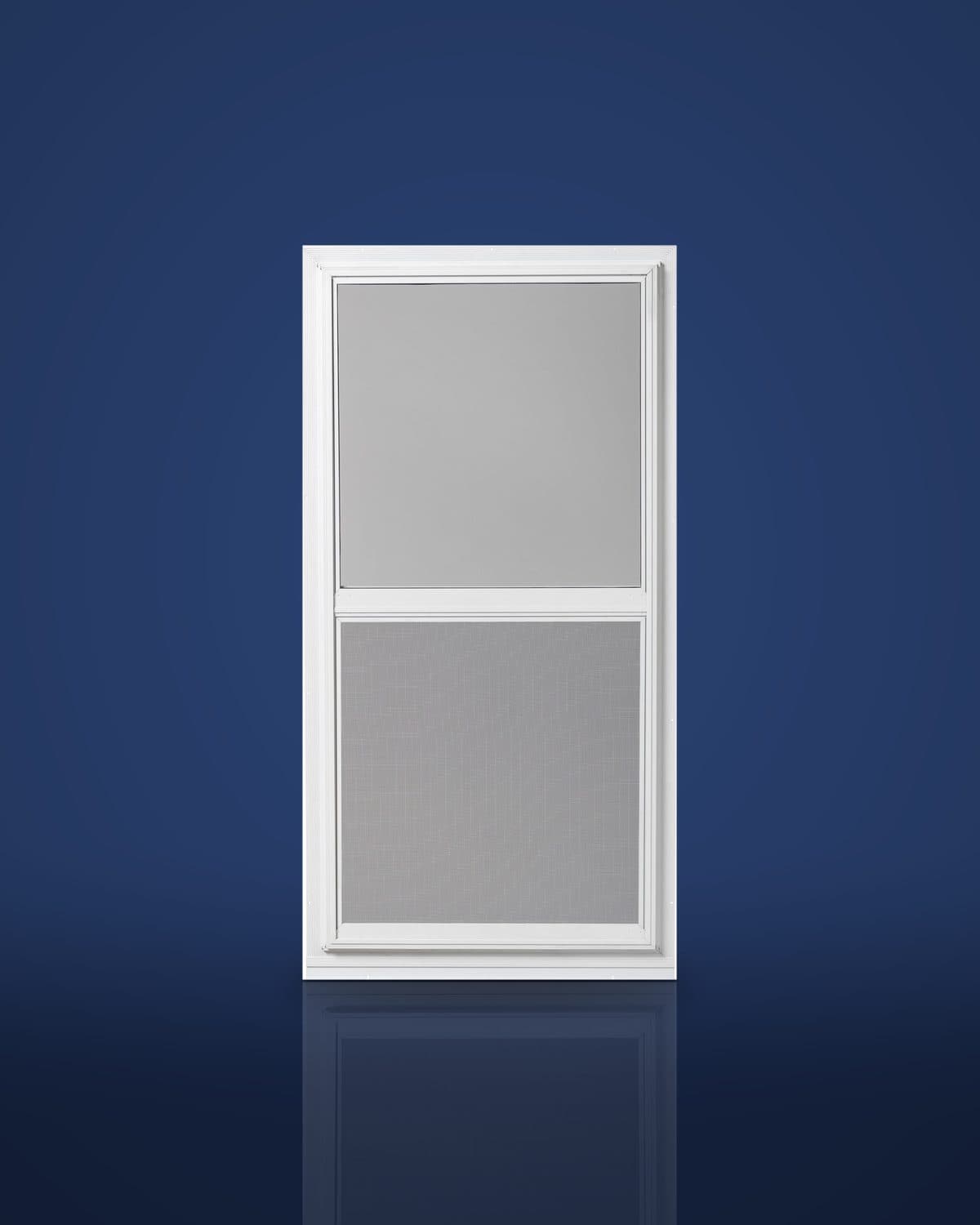
Vertical Two-Track Storm Window
- Silver
- Black
- White
- Tan
- Bronze and brown
From $204.92Exterior
Online pricing
Storm windows in Edmond are available in custom configurations for historic primary windows, postwar additions, and mixed residential window styles. Match each unit to the way the primary window opens, then submit the exact dimensions for that opening. The local ordering plan should account for winter cold snaps, humid summers, storms, and frequent seasonal transitions.
28 storm window options available
Online pricing
Custom sizes available
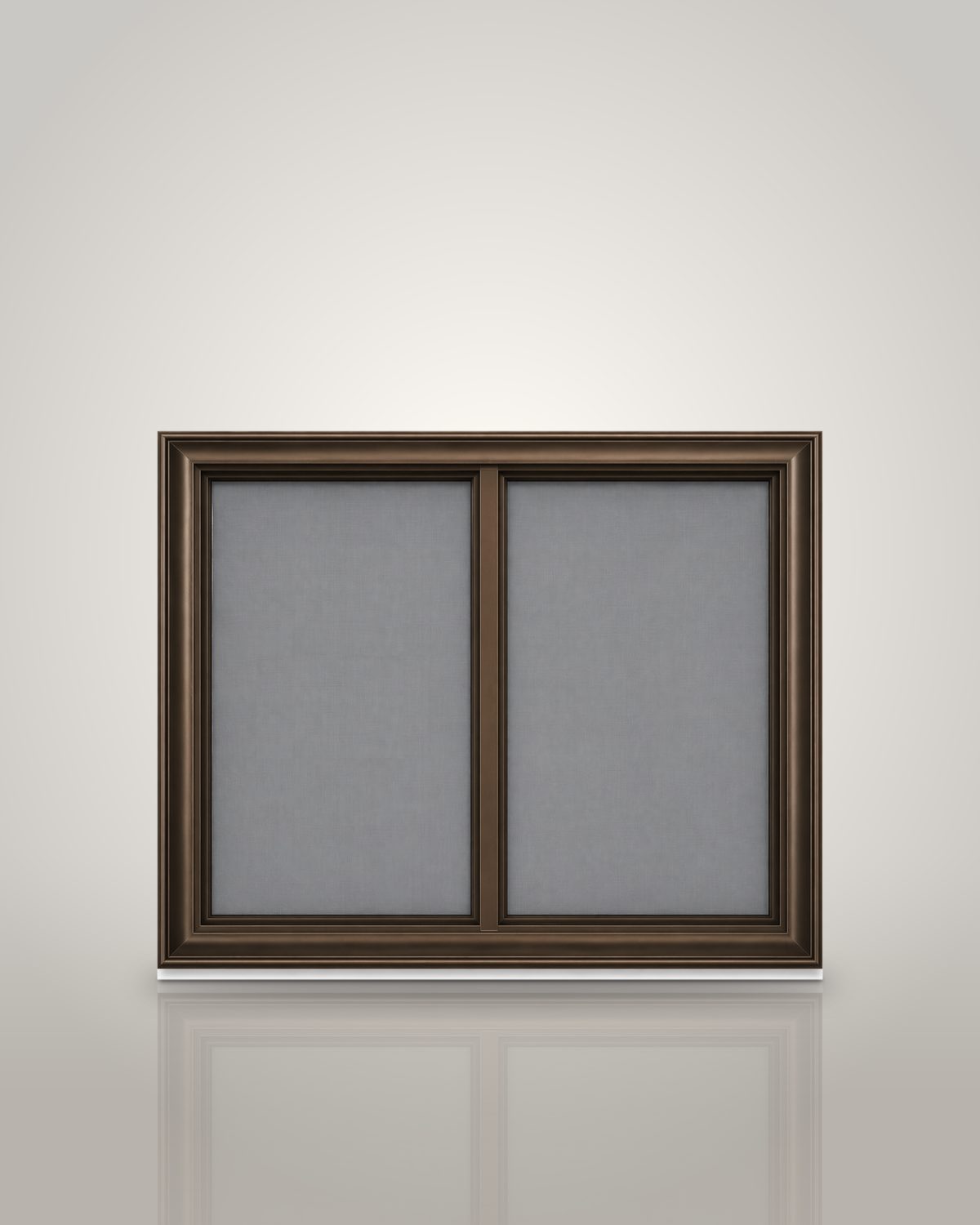
Custom sizes available
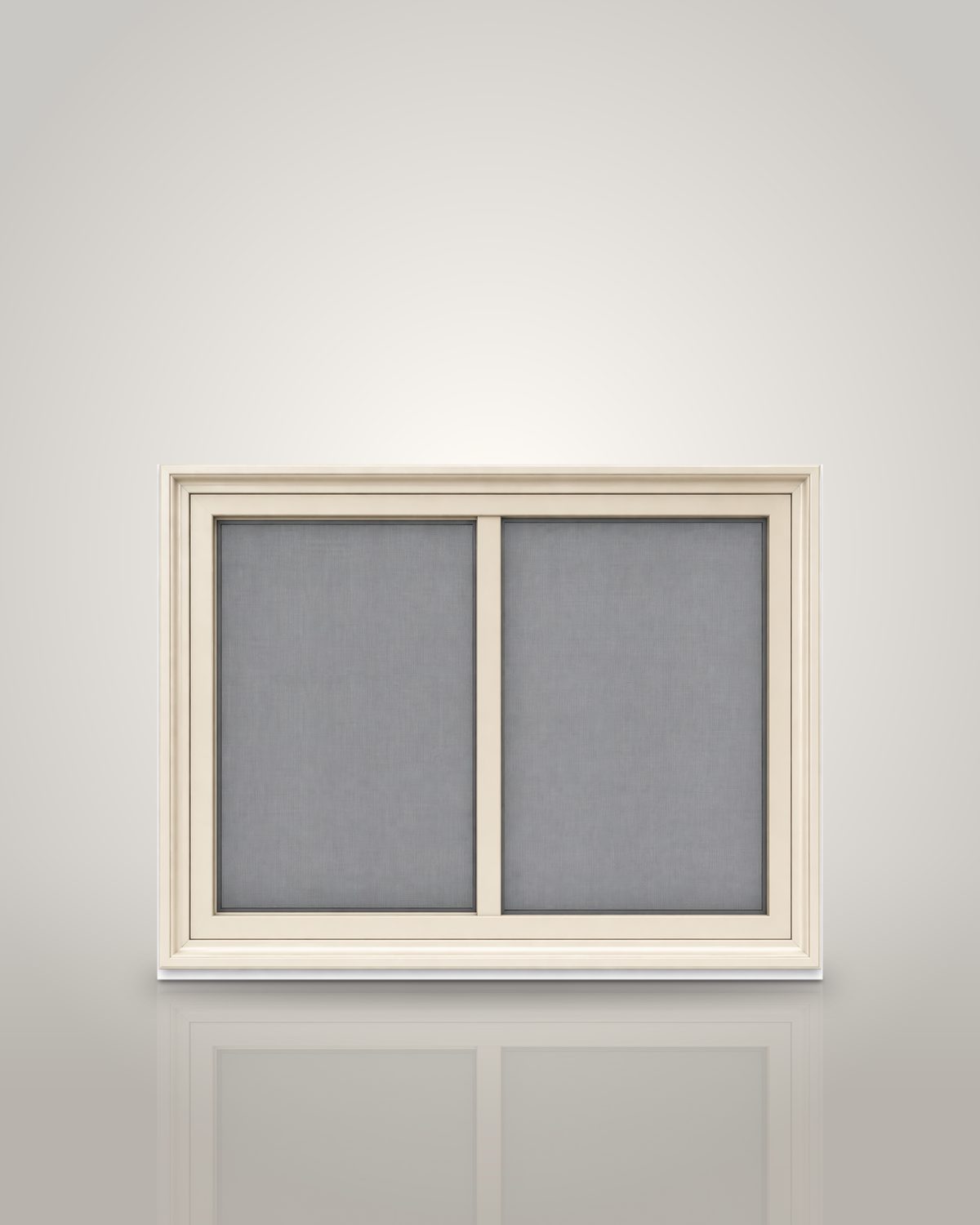
Custom sizes available
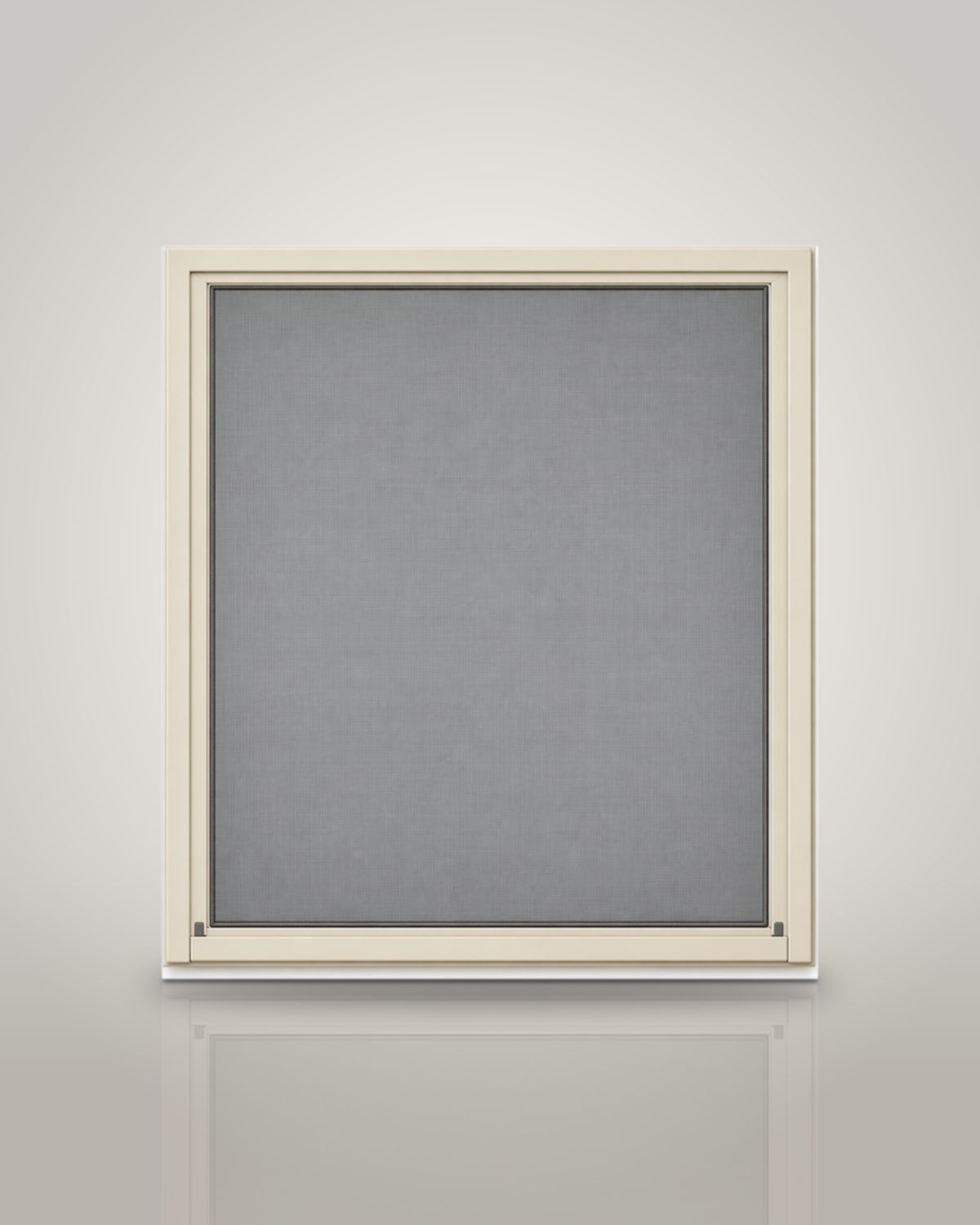
Custom sizes available
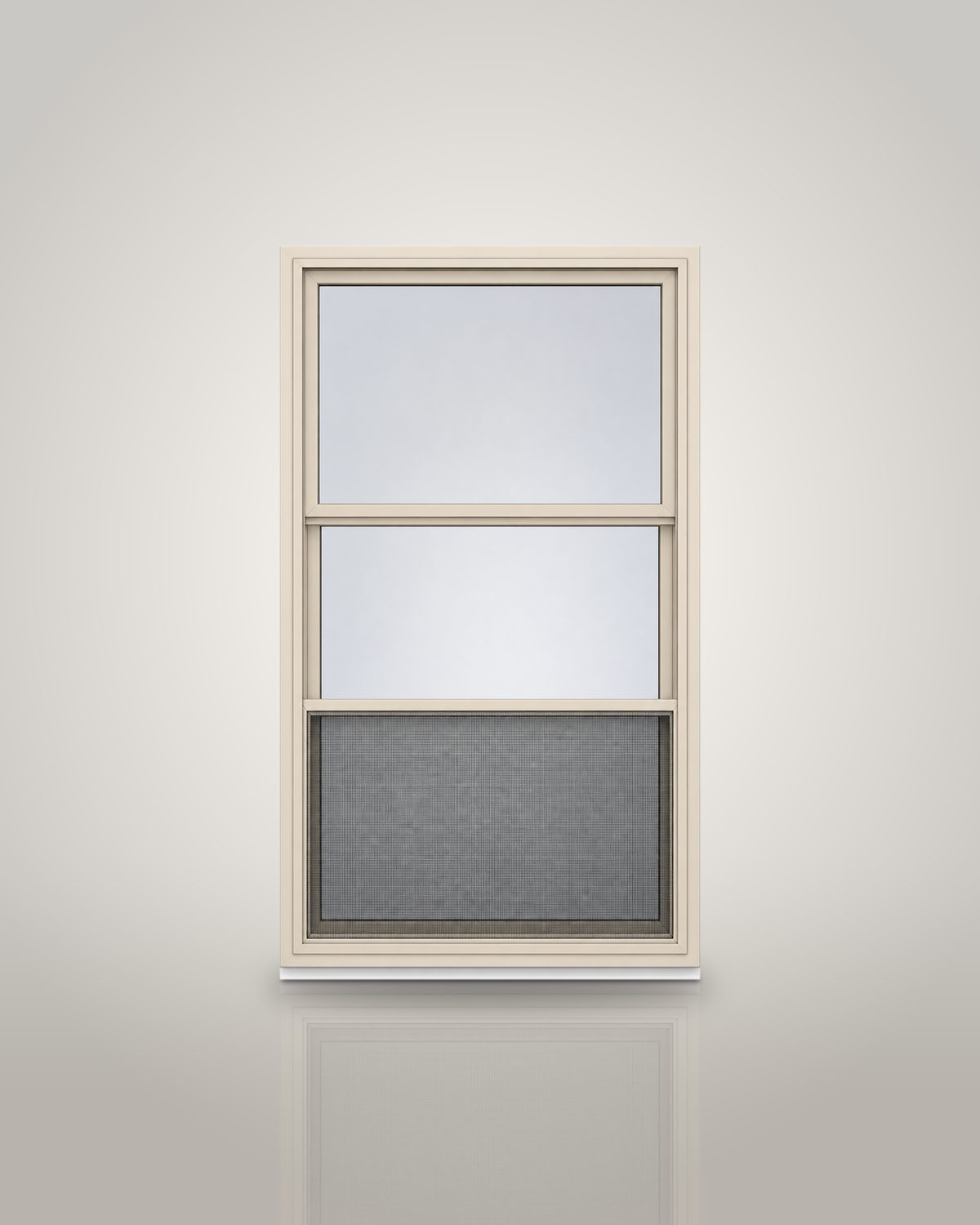
Online pricing
Online pricing

A few simple checks before the weather turns. Know what to clean, inspect, and prepare.
Read the Seasonal Guide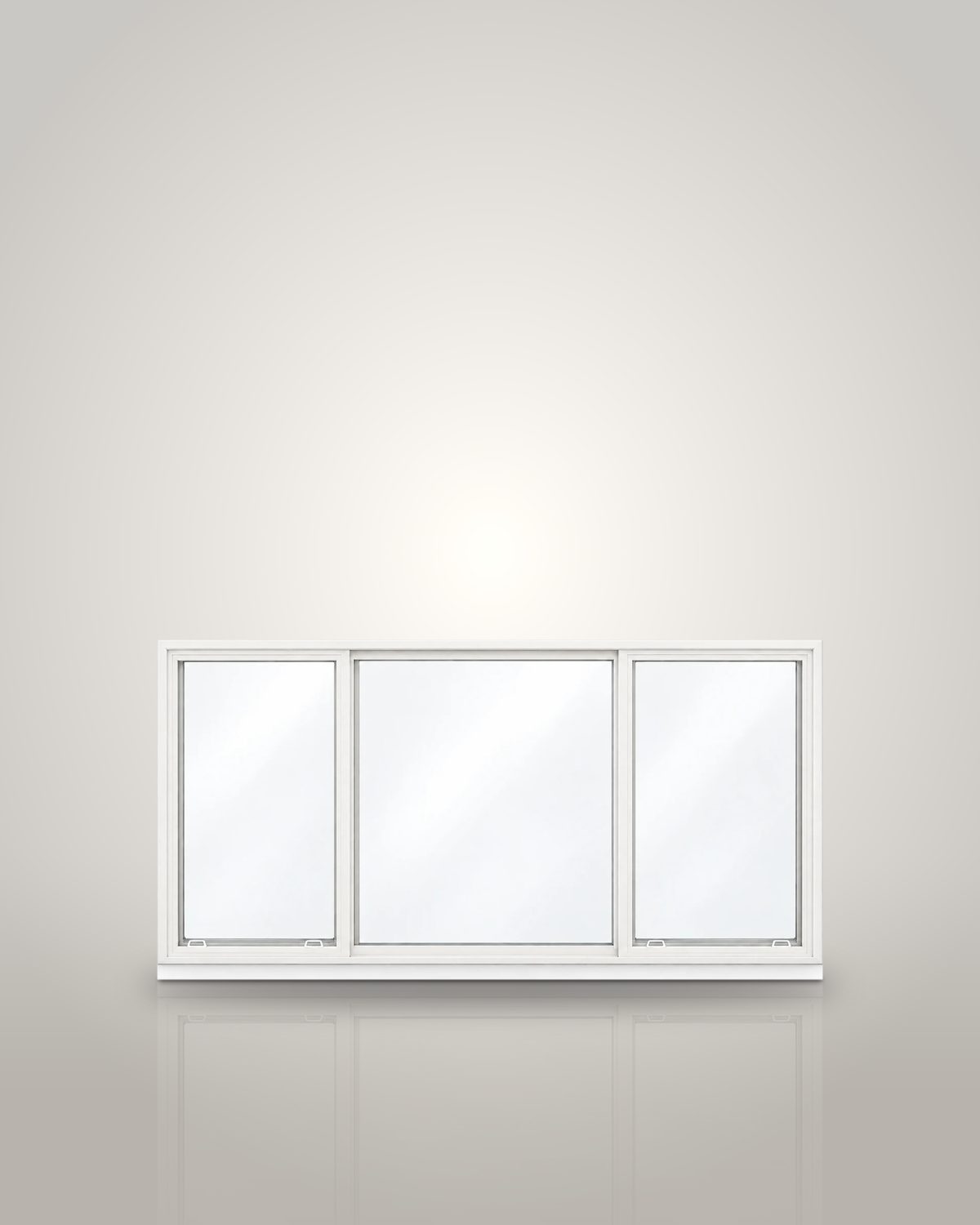

Low-E glass
Low-E glass
Low-E glass
Low-E glass
Low-E glass
Low-E glass
Low-E glass

Explore how Low-E glass works with the windows you already have.
Explore Low-E glass
Low-E glass
Low-E glass
Low-E glass
Low-E glass
Low-E glass
Low-E glass
Custom storm windows are built from the dimensions you submit. Record each opening separately, check width and height in multiple places, and confirm the mounting surface before ordering.
View the Measuring GuideFor a project in Edmond, separate product selection from installation planning so fit and access are both documented. For mixed-climate projects in Oklahoma, plan around flexible ventilation, sound sill drainage, and product styles matched to each primary window.
Storm windows in Edmond are available in custom configurations for historic primary windows, postwar additions, and mixed residential window styles. Match each unit to the way the primary window opens, then submit the exact dimensions for that opening. The local ordering plan should account for winter cold snaps, humid summers, storms, and frequent seasonal transitions. For a project in Edmond, separate product selection from installation planning so fit and access are both documented. For mixed-climate projects in Oklahoma, plan around flexible ventilation, sound sill drainage, and product styles matched to each primary window.
A storm window is a separate assembly placed over an existing primary window. It does not correct failed sash cords, loose glazing, rotted trim, a sill that cannot drain, or a window that no longer closes and latches. Inspect and repair the primary opening first. Photograph the full exterior, interior operation, sill, trim, meeting rail, hardware, and any projection that changes the mounting surface before deciding what to order.
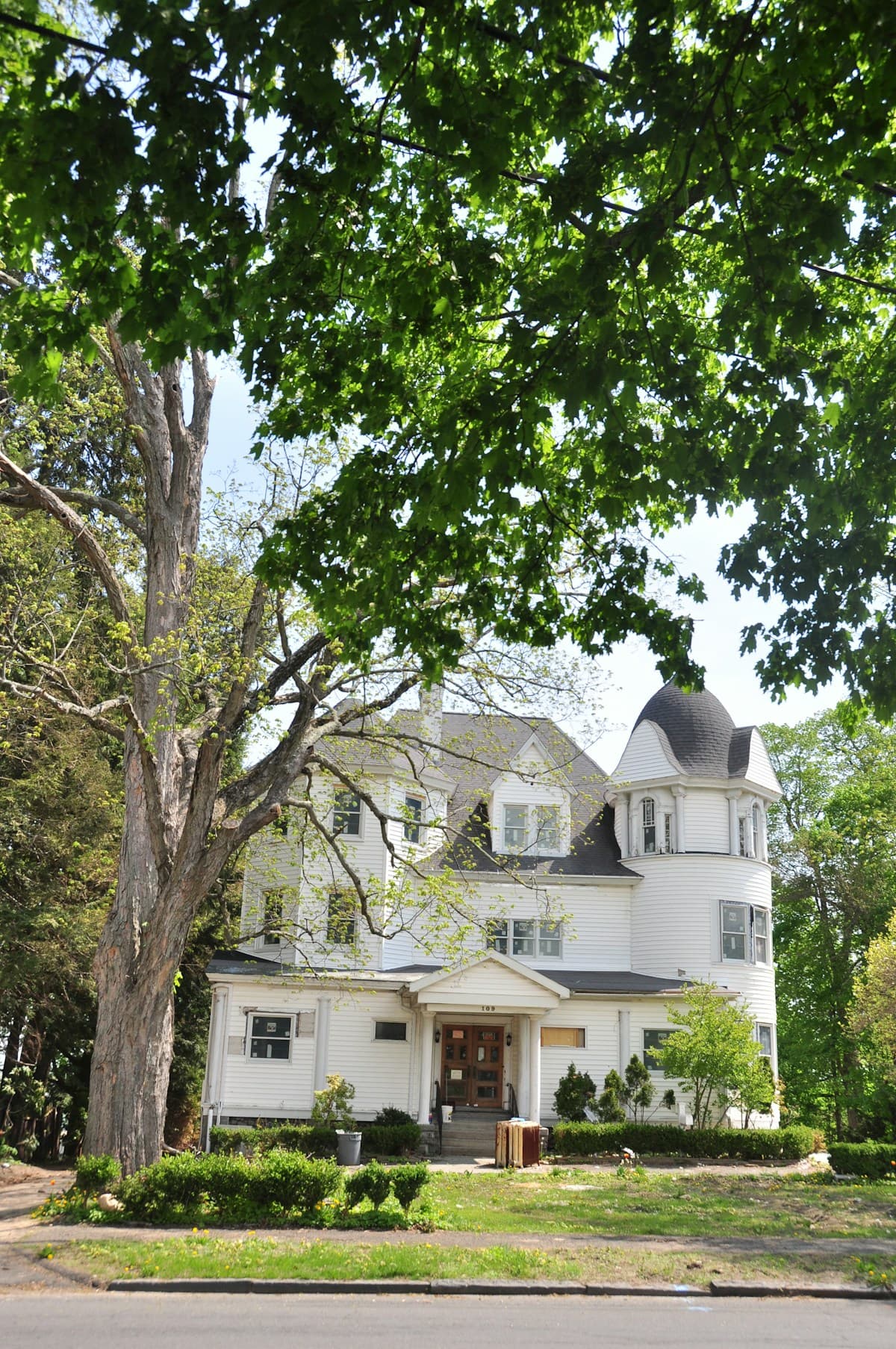
Building age and neighborhood are useful clues, but they are not measurements. A property in Edmond, Oklahoma can mix original wood sash, replacement inserts, porch windows, basement sliders, fixed picture glass, and later additions. Assign every opening a room, elevation, and number. Keep that identifier with its photos, dimensions, operation, product choice, cart details, package label, and installation notes so similar units do not trade places.
Also record whether the property is occupied during the work, who can approve changes, where packages can be stored, and which rooms must remain usable. Those practical limits belong in the buying plan before fabrication begins.
Statewide orders may include projects around Oklahoma City, Tulsa, Norman, Broken Arrow and other communities with different building ages, exposures, access conditions, and review requirements. Use the actual project address and opening record for the final decision.
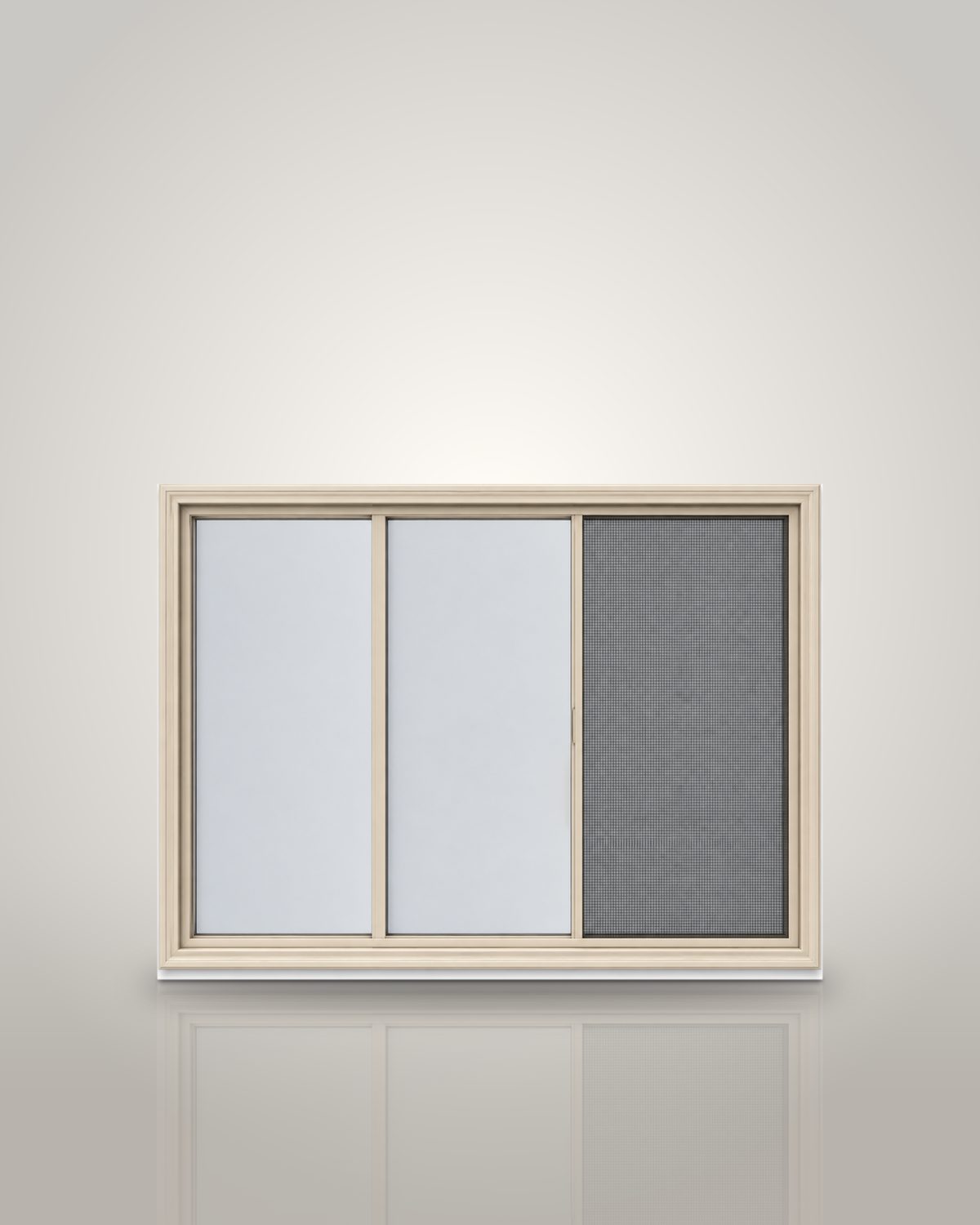
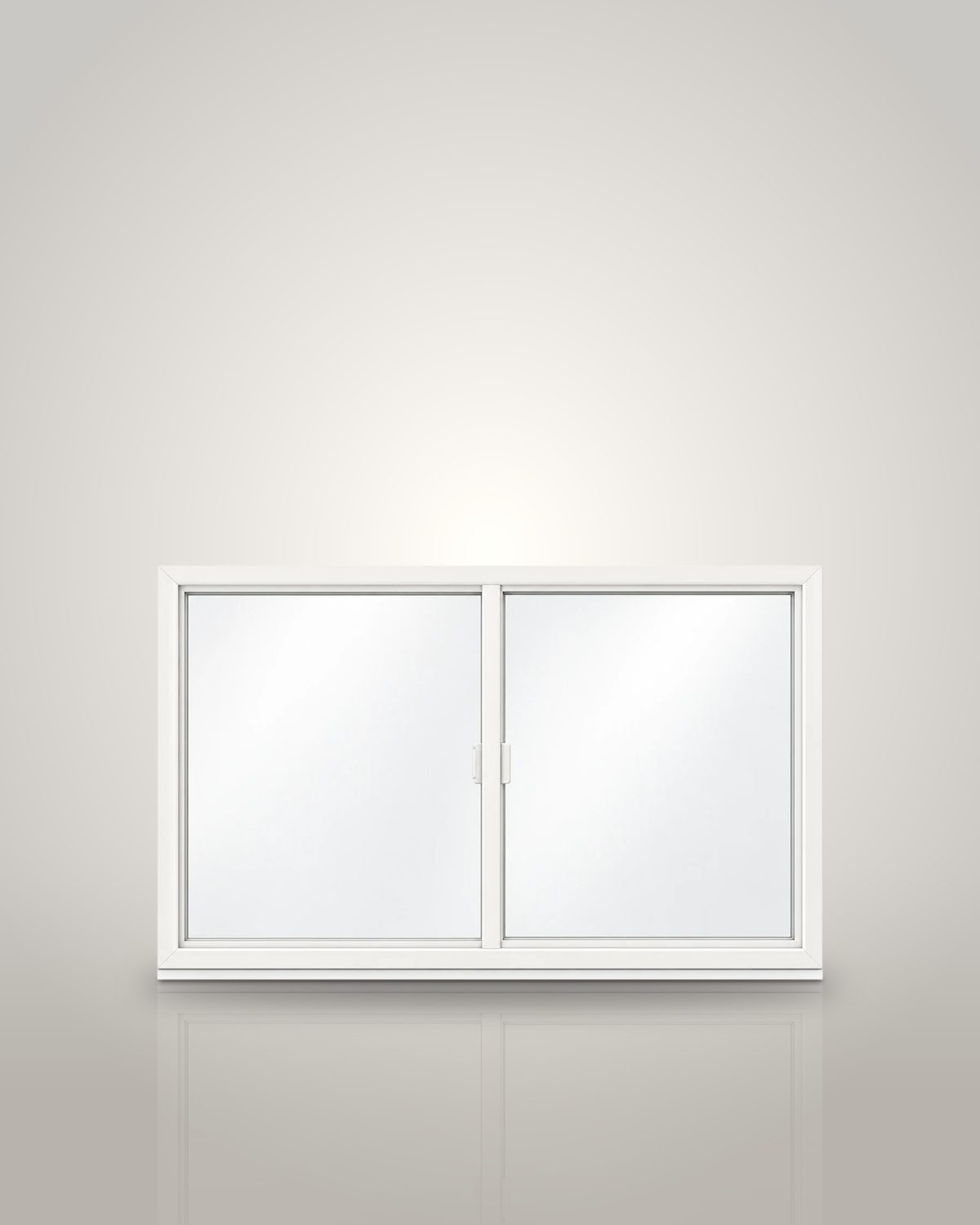
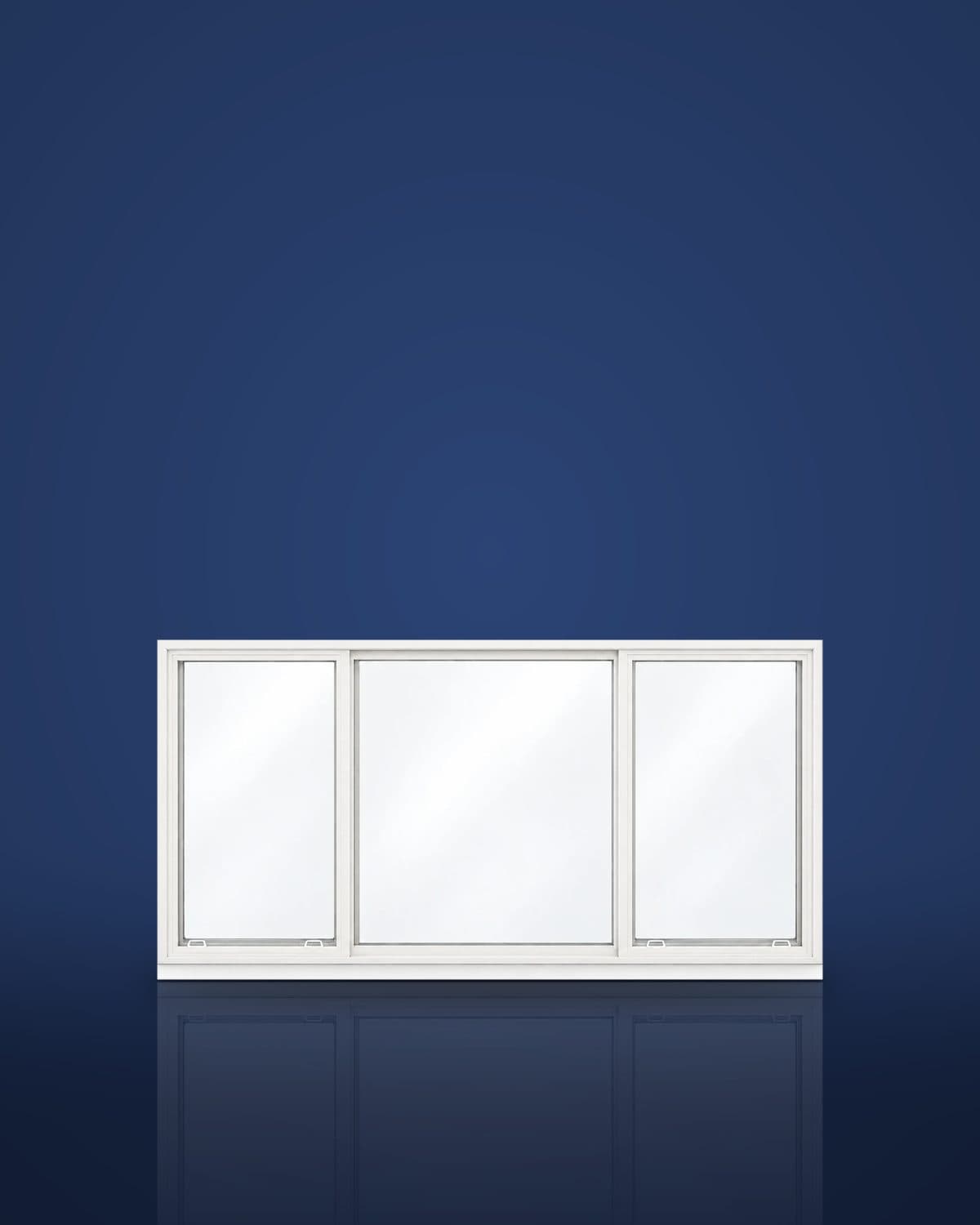
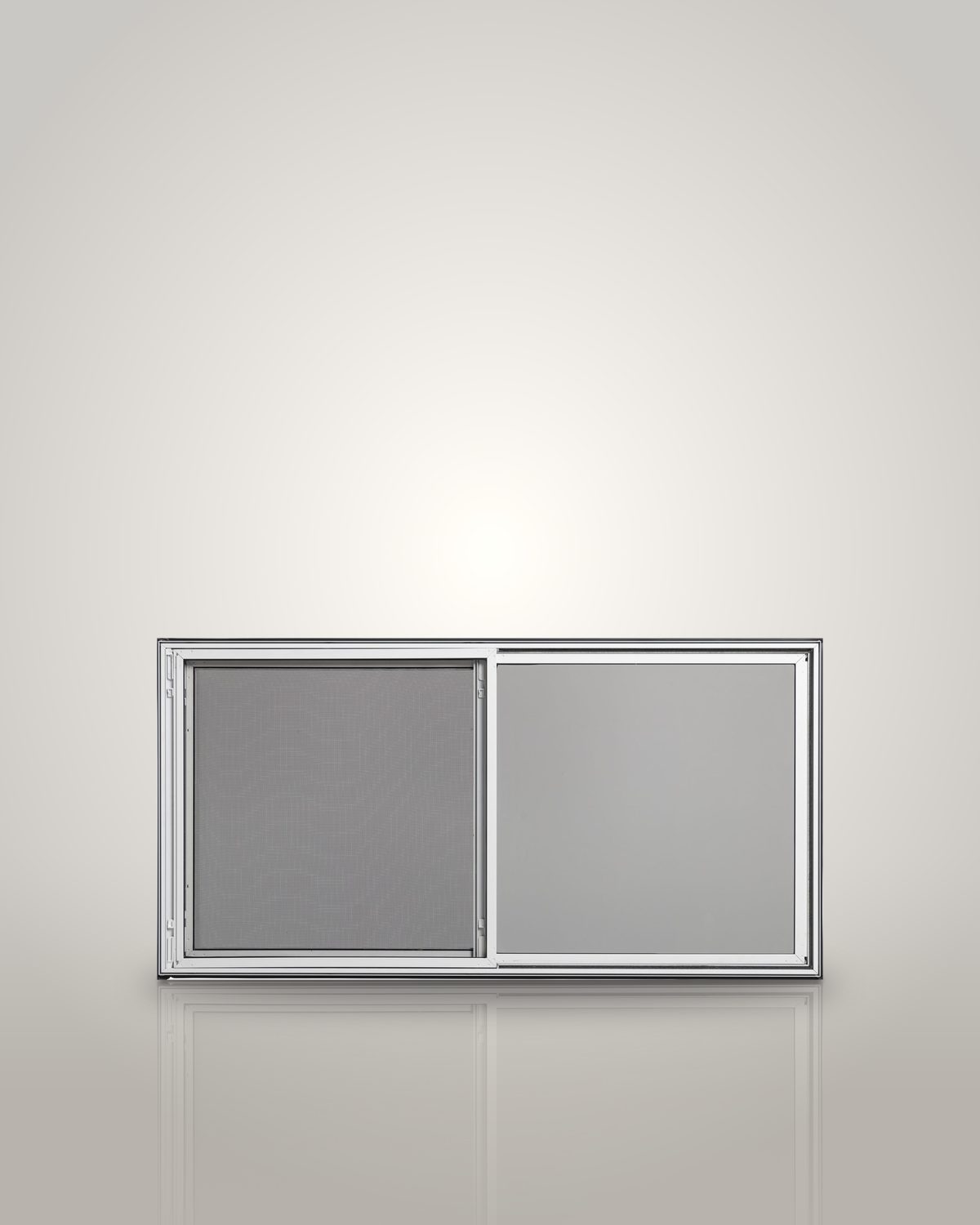
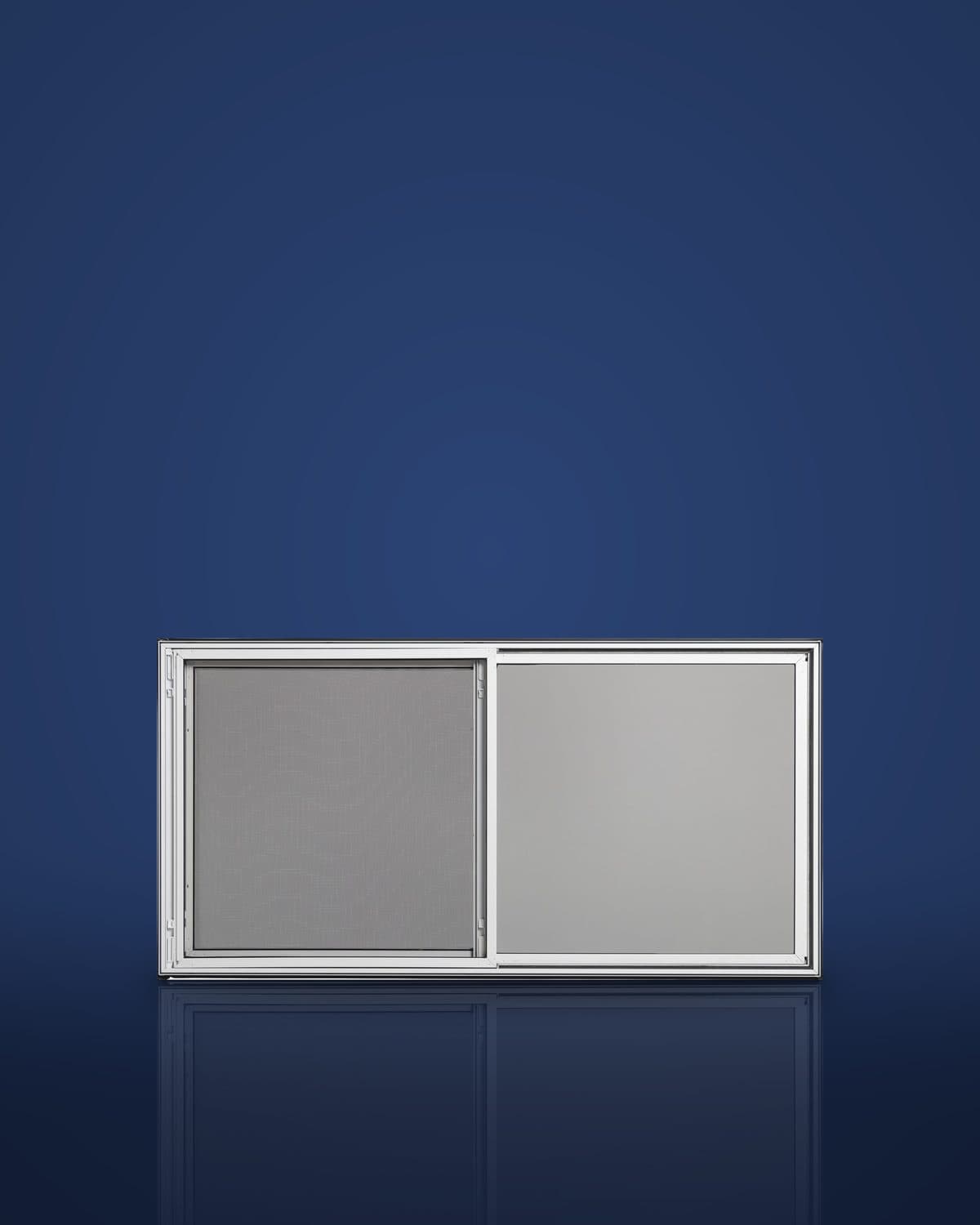
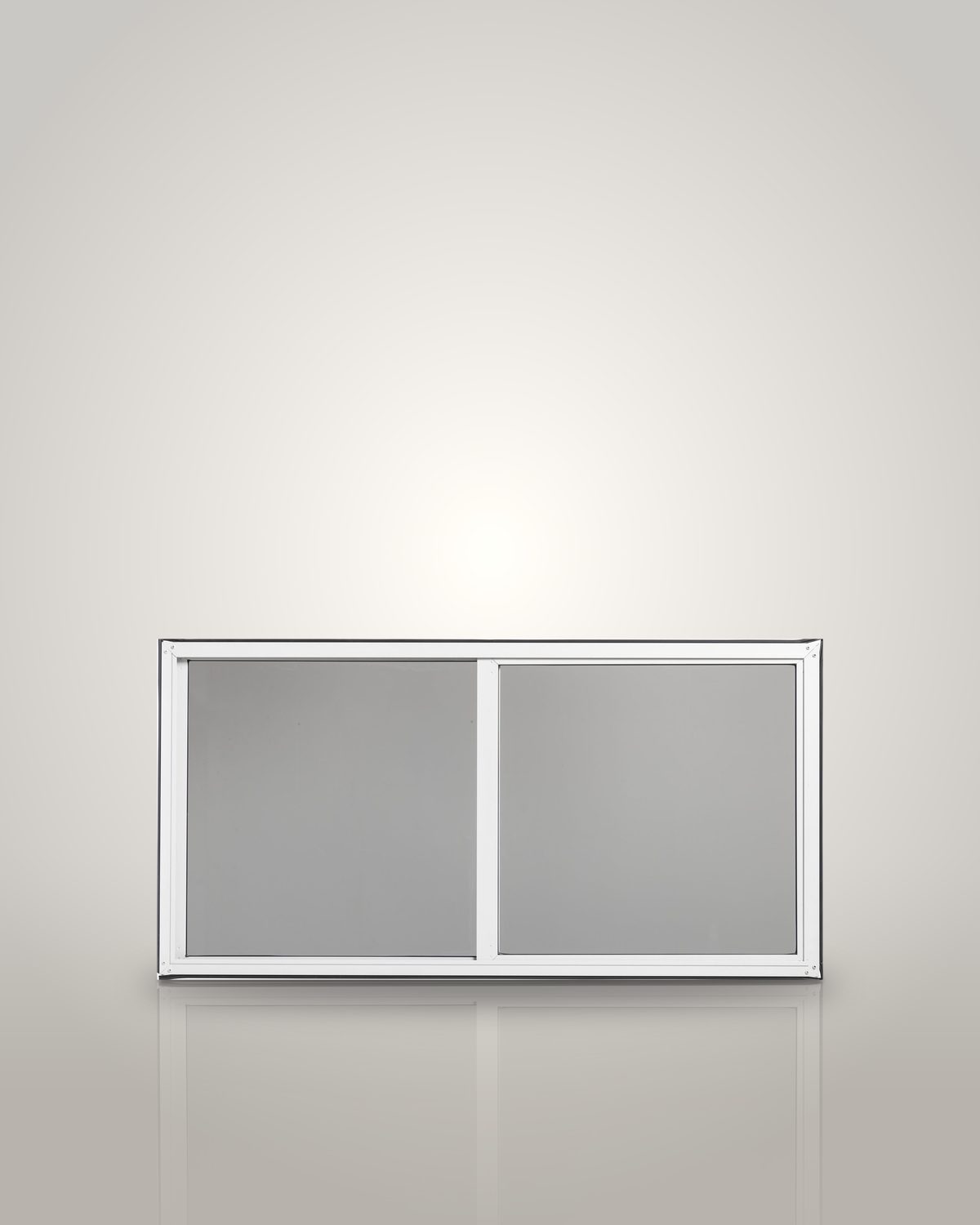
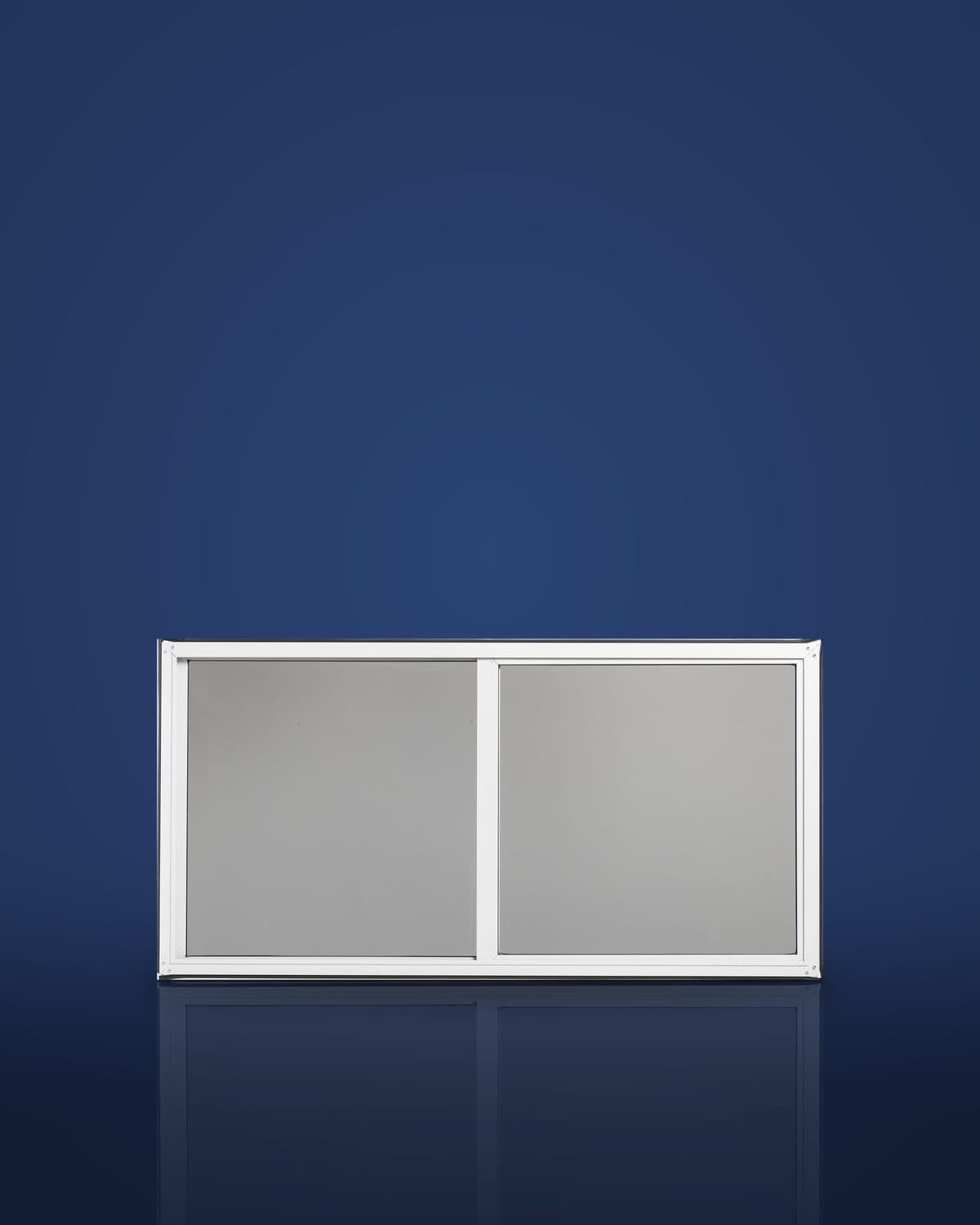
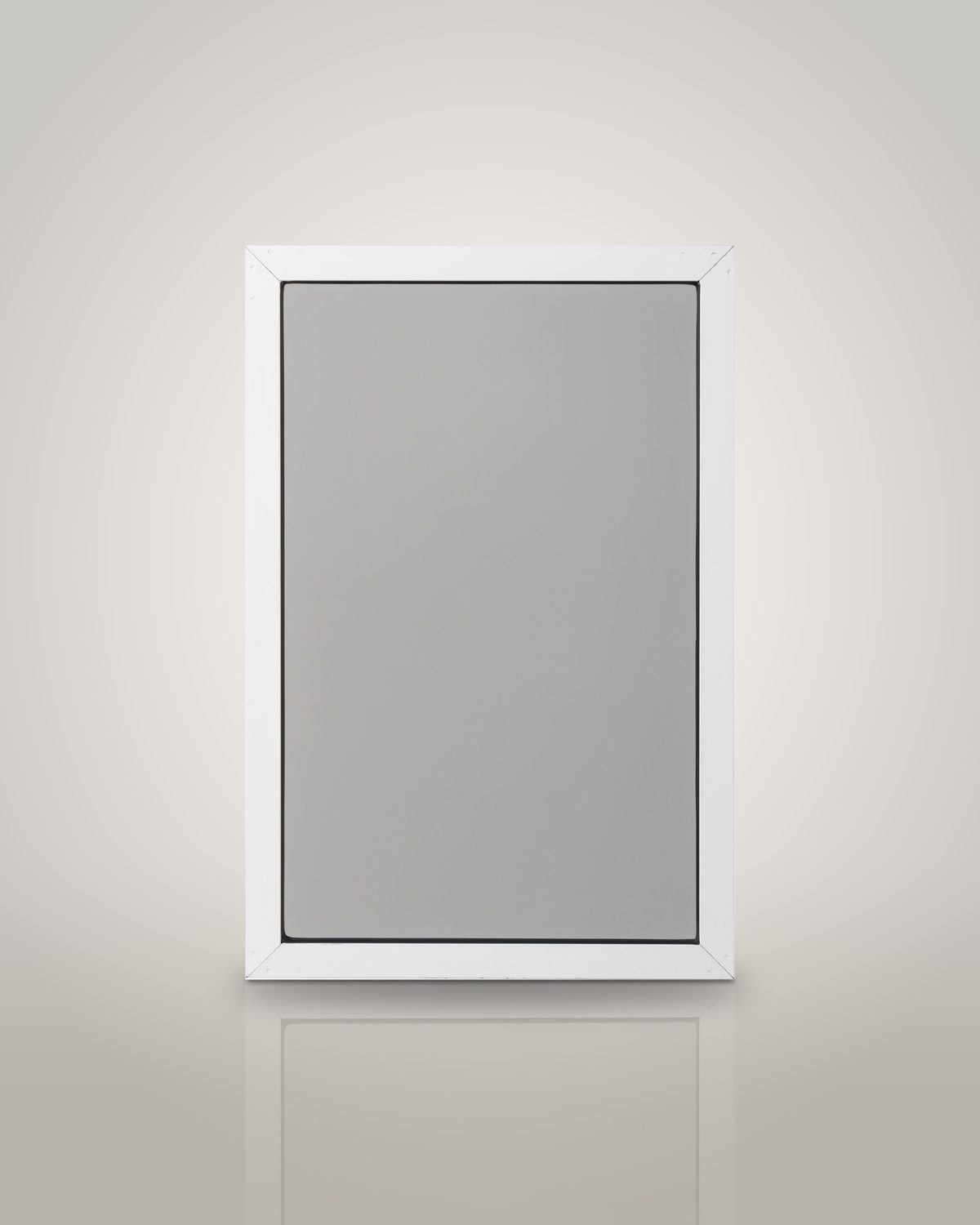
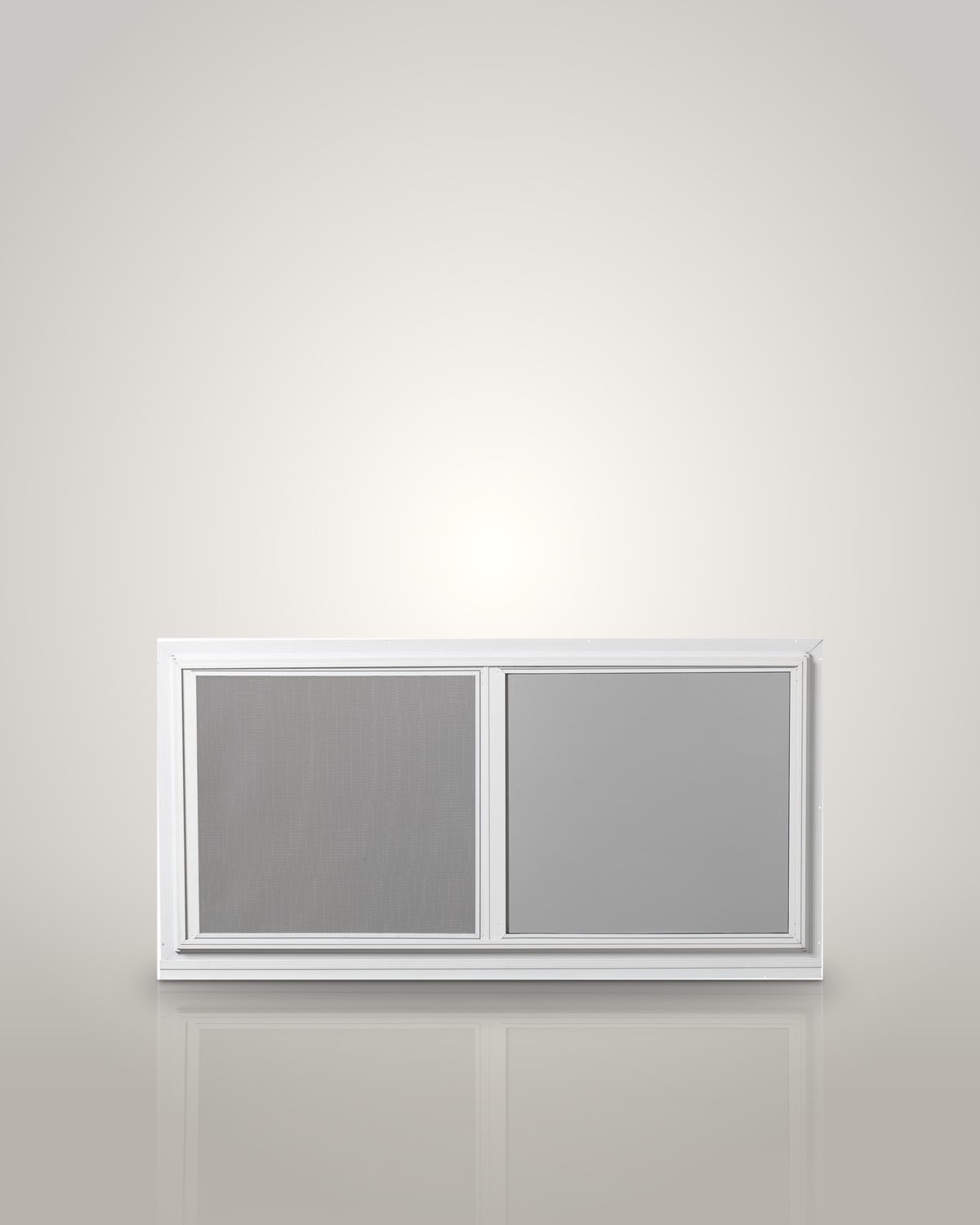
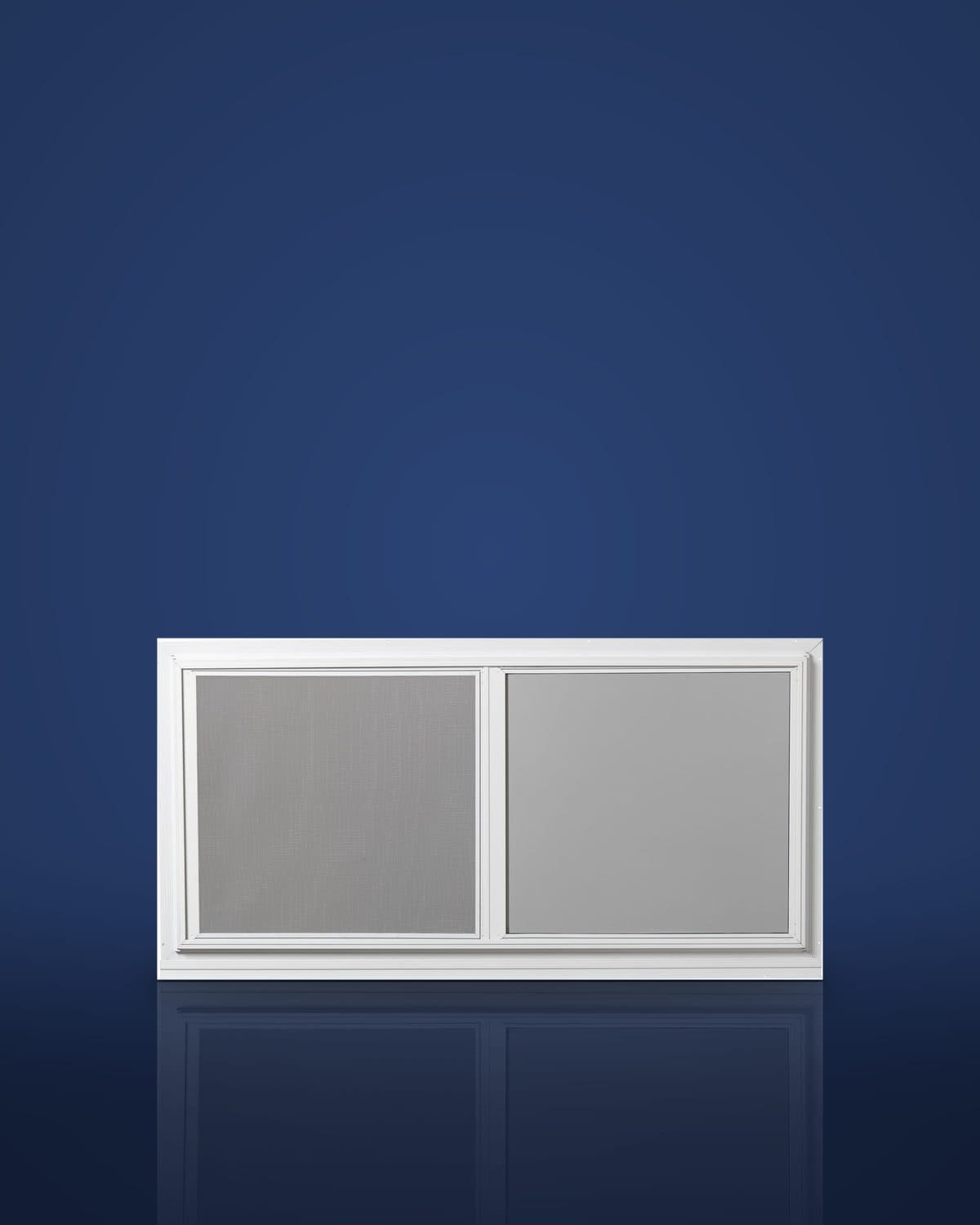
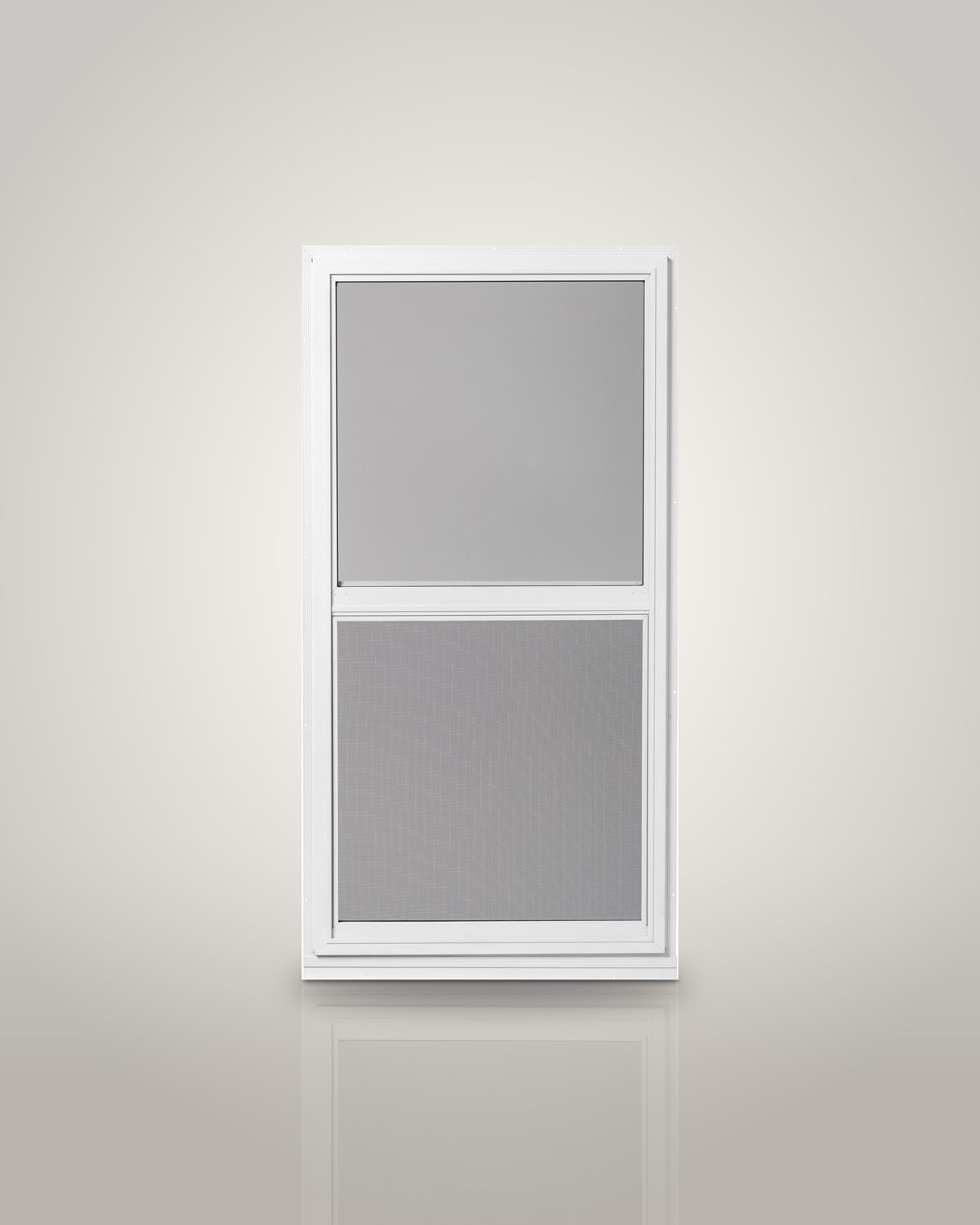
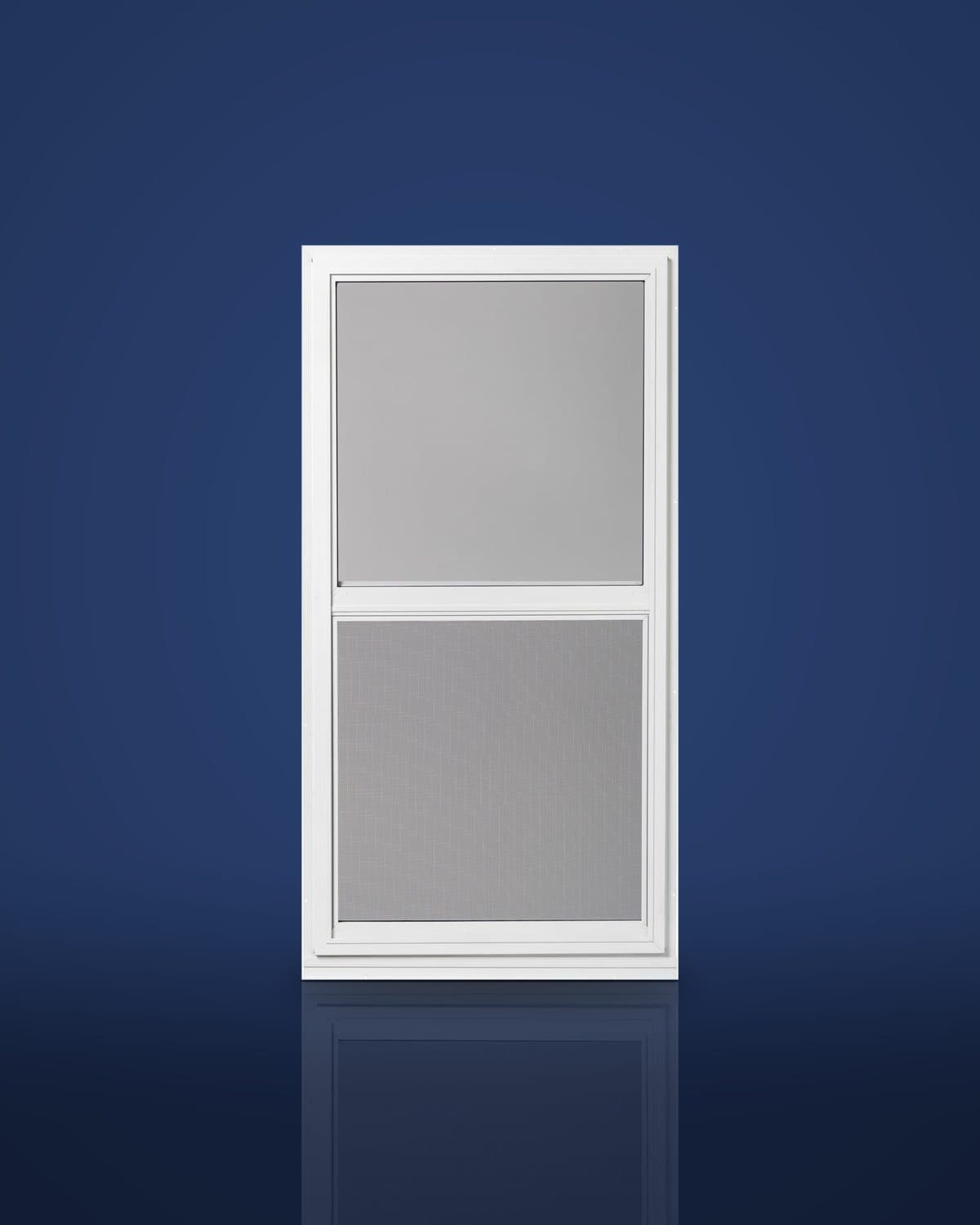
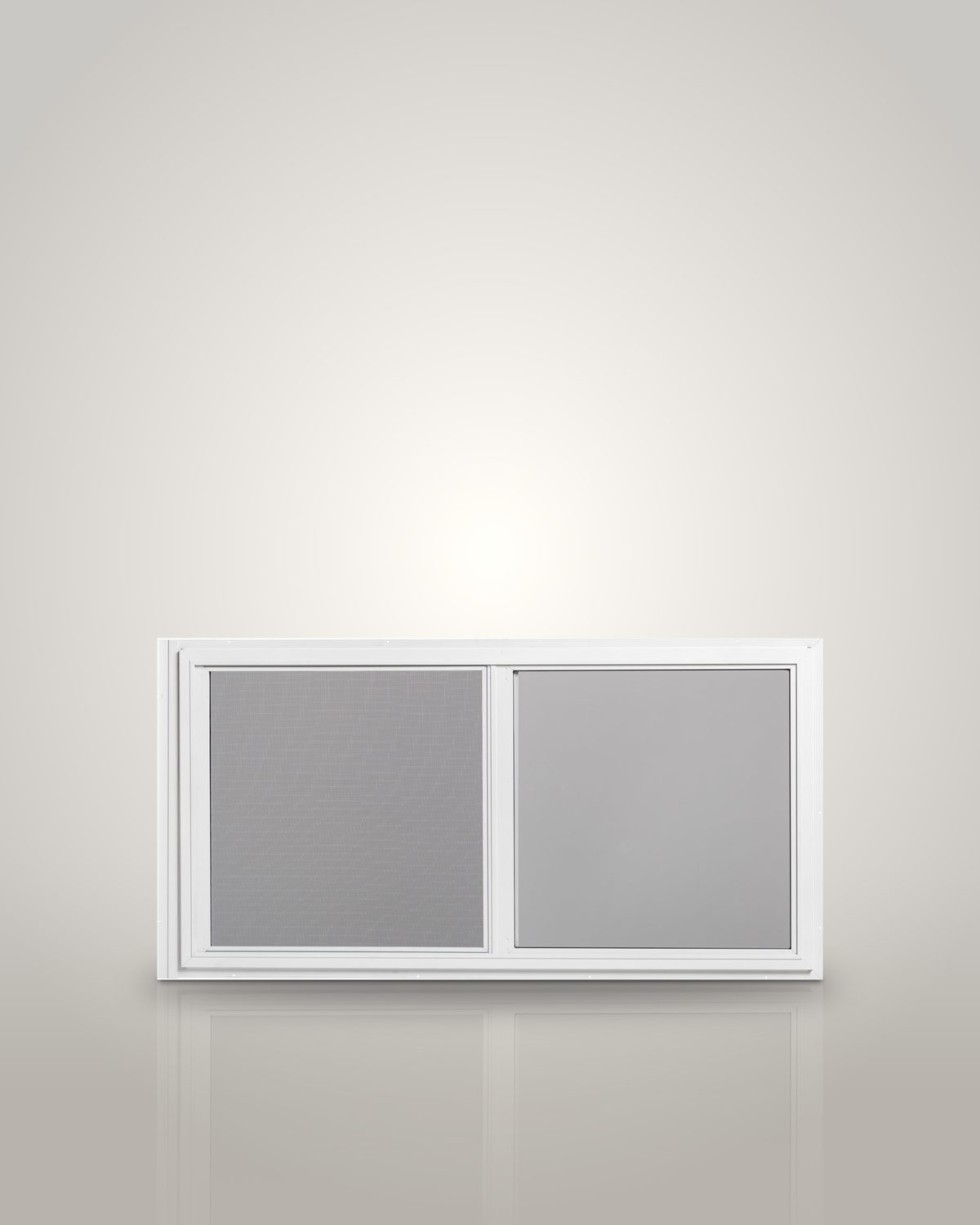
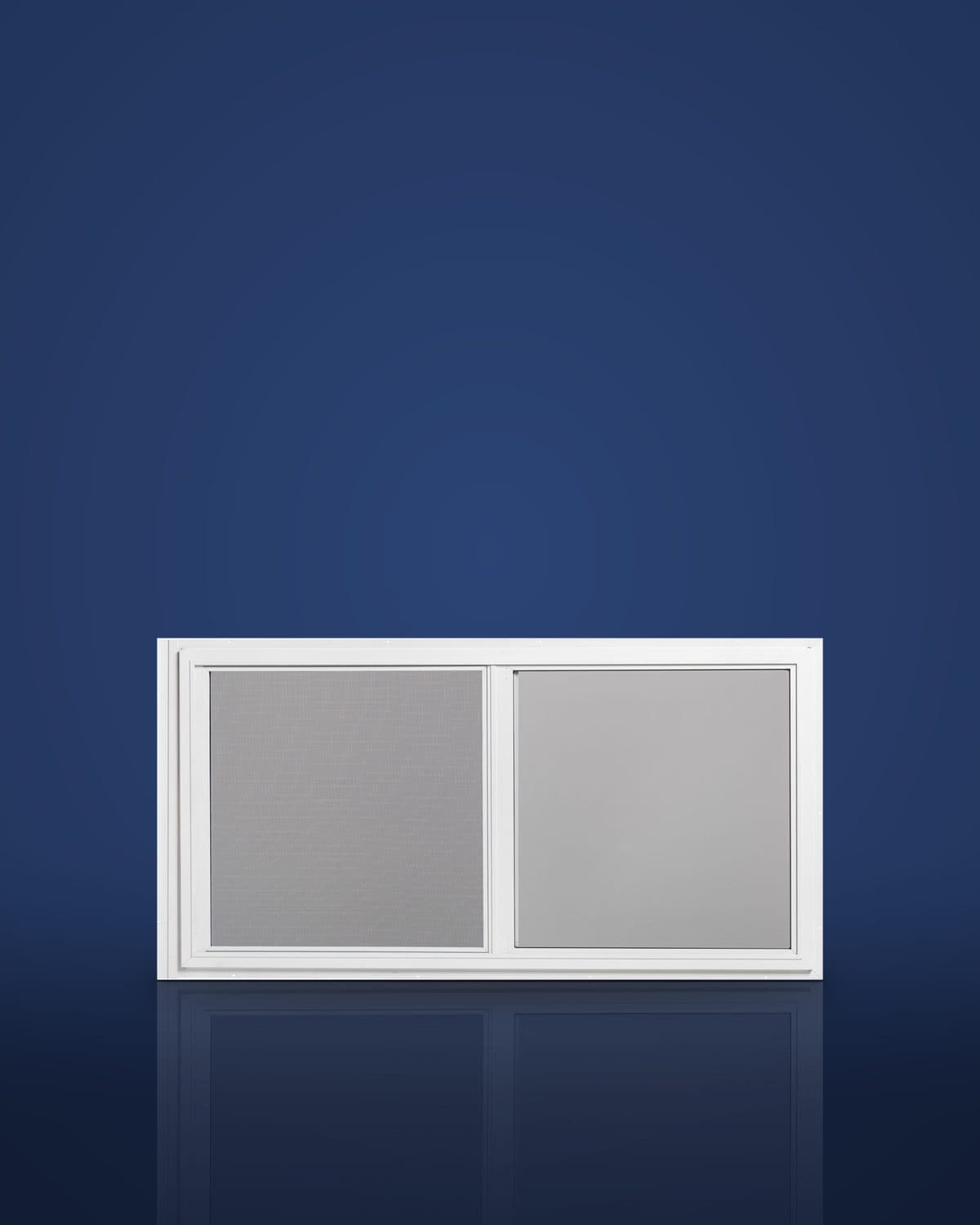
Vertical storm windows follow primary sash that move up and down. Horizontal units follow side-to-side sliders. Fixed panels suit non-operable openings where seasonal ventilation is unnecessary. Two-track and triple-track arrangements differ in how glass and screen panels move and store. Decide which sash should ventilate, how often the room needs a screen, and whether the user can safely reach the latches before selecting a configuration.
A whole-house order can mix vertical, horizontal, and fixed construction while keeping a coordinated frame finish. Product choice should also consider frame profile, mounting flange, meeting-rail alignment, screen location, glass type, tempered-glass requirements, hardware access, removable-panel needs, exterior appearance, and maintenance. Compare the exact included panels and accessories rather than assuming every model with the same general name operates the same way.
Follow the measuring instructions for the selected mounting method. Record width and height in multiple places, keep fractional values, and note out-of-square conditions. State whether each number describes the opening, frame, blind stop, exterior casing, daylight, or another defined plane. Do not copy a size from an old invoice, primary-sash label, neighboring window, or rough tape reading without confirming that it represents the dimension required for the storm-window order.
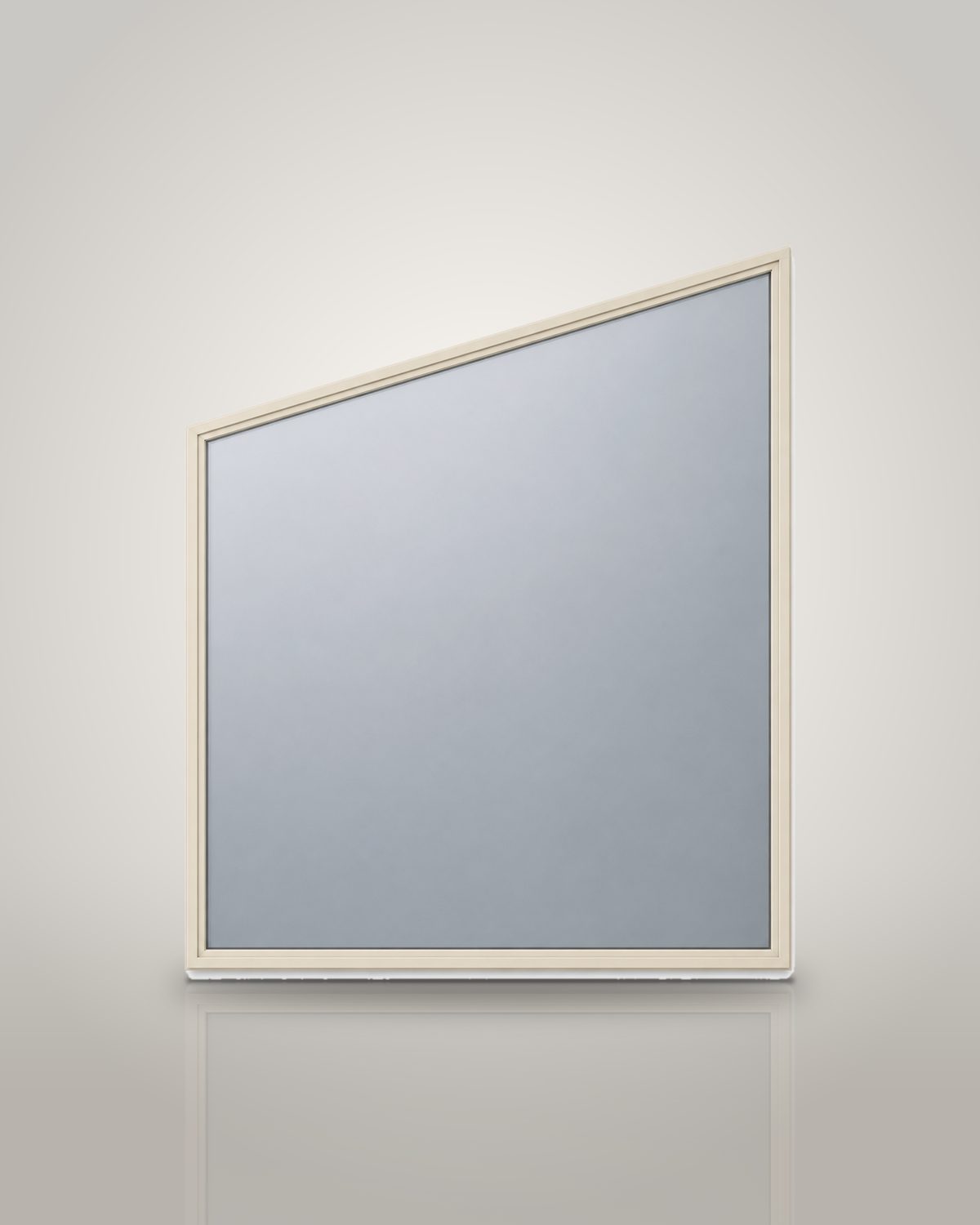
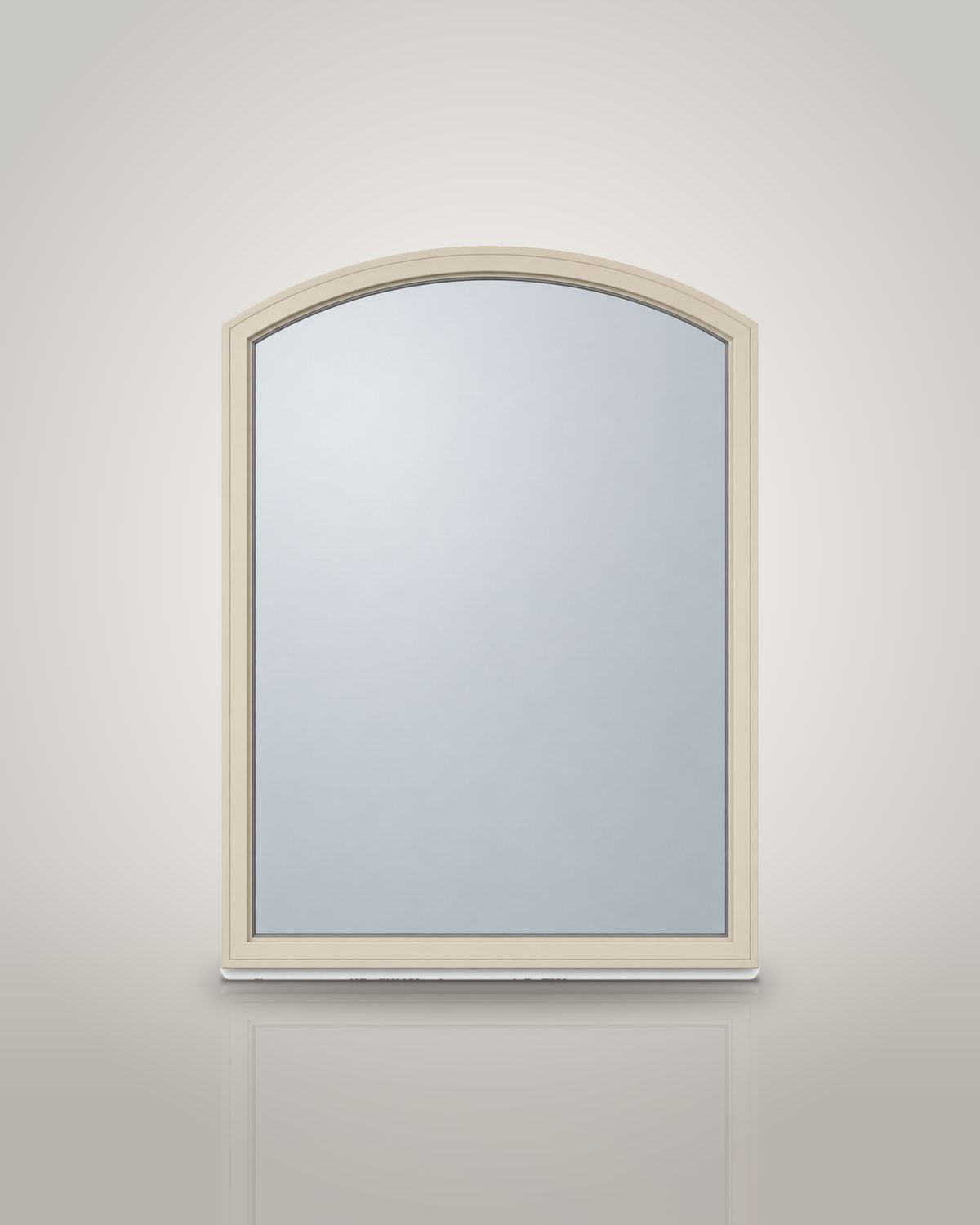
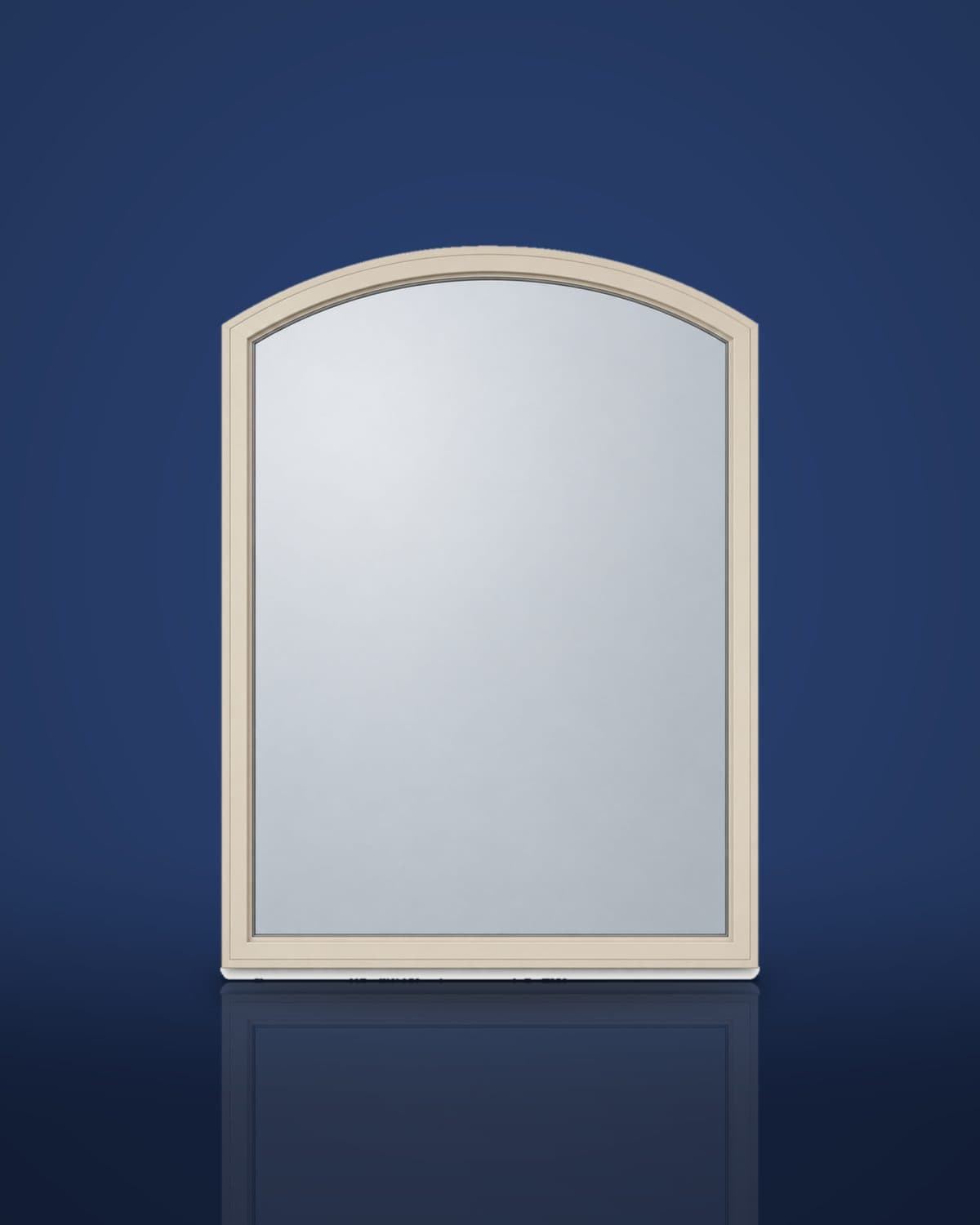
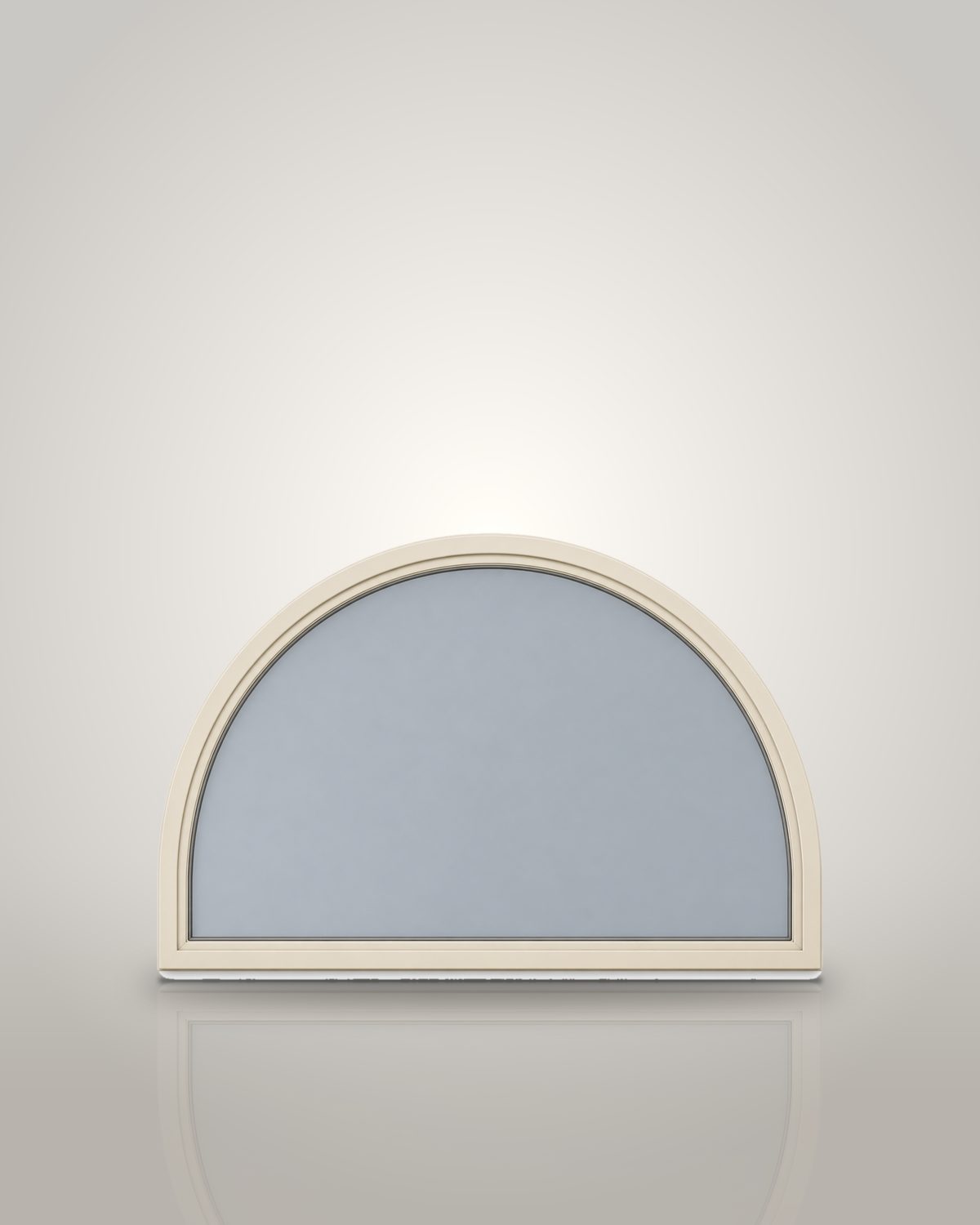
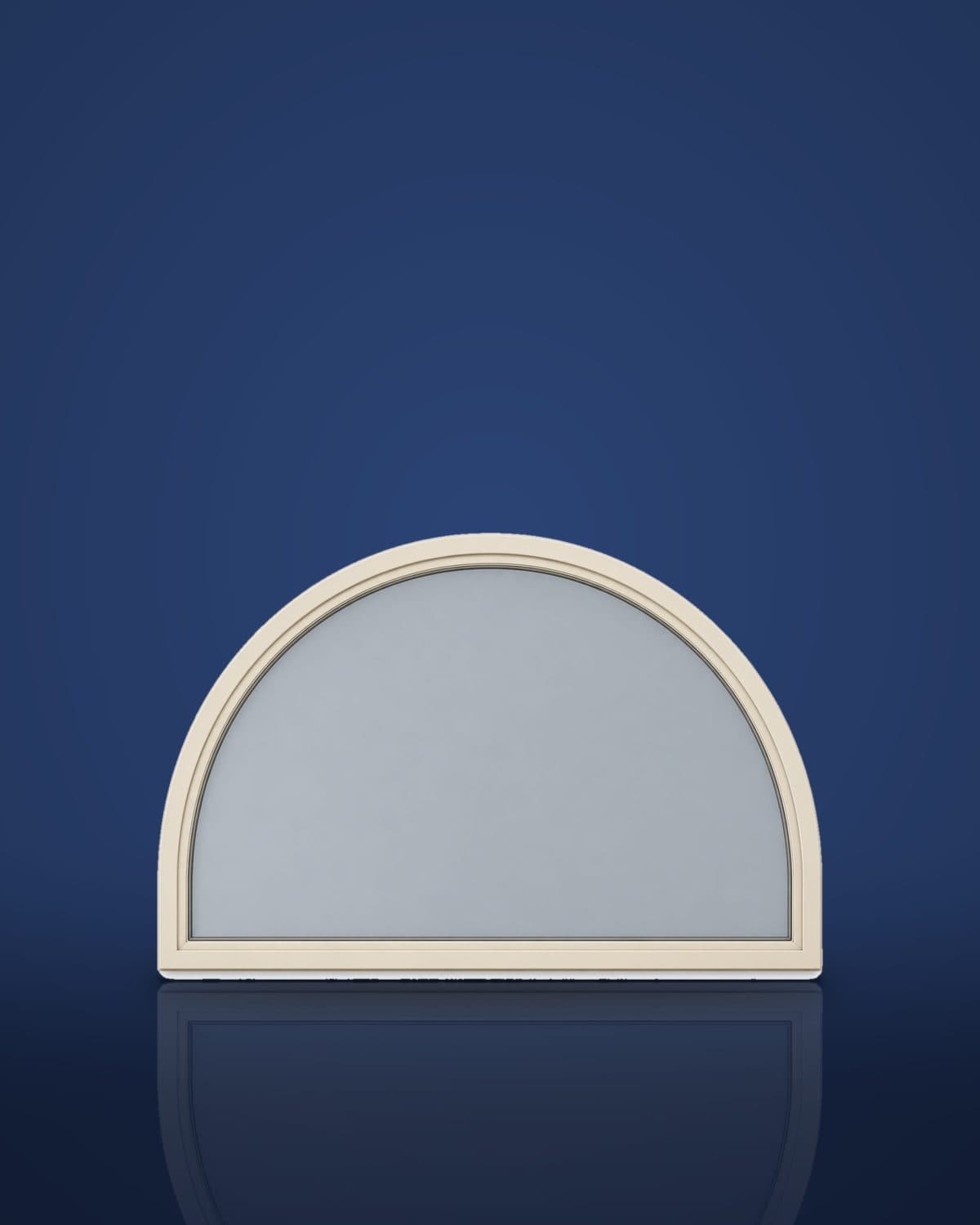
Recheck the narrowest and shortest controlling dimensions, sill angle, flange clearance, meeting-rail position, and available screw surface. Arches, angles, masonry openings, projecting trim, security devices, window air conditioners, sensors, and unusually deep or shallow conditions may need a template or additional review. Custom fabrication can handle many nonstandard openings, but it cannot recover from dimensions taken at the wrong plane.
A clear storm-window quote identifies product model, opening ID, width, height, operation, track arrangement, frame finish, glass, screen, hardware, quantity, unit price, fabrication charges, packaging, freight, tax, estimated production time, warranty, and exclusions. Tempered glass, unusual shapes, oversized construction, special finishes, replacement parts, and accessories should be shown explicitly rather than hidden in an informal description.
Installation is a separate scope unless the written proposal says otherwise. Field measurement, primary-window repair, trim replacement, scraping or painting, lifts, scaffolds, permits, historic review, removal, disposal, interior protection, exterior sealants, final cleaning, and service after installation can materially change the project total. Mark every responsibility included or excluded before comparing proposals.
The finished window dimensions are not the carrier dimensions. Accurate freight review needs the number of cartons, pallets, racks, or crates; packaged length, width, height, and weight; ship-from and destination ZIP codes; freight class when applicable; stackability; declared value; and any residential, limited-access, appointment, liftgate, inside-delivery, or unloading service. A multi-window order may move by LTL freight even when one smaller unit could use parcel service.
Plan who will receive the shipment, how it will leave the truck, where packages can be inspected, and how frames and glass will remain dry and protected. Curbside freight does not automatically include carry-in, stairs, elevators, unpacking, debris removal, or placement at each opening. Count packages before the driver leaves, note visible damage or shortages on the delivery record, photograph the condition, preserve packaging and labels, and follow the claim instructions promptly.
Made-to-order production generally begins only after the configuration, dimensions, options, payment, and any required acknowledgment are complete. Ask what event starts the quoted lead time and what changes can reset it. Production estimates do not include every carrier delay, weather interruption, appointment window, receiving restriction, or installation schedule. Do not remove primary windows or commit labor until the correct shipment has arrived and passed inspection.
For phased projects, group openings in a way that the site can safely receive, store, and install. Keep a release schedule showing opening IDs, quantities, promised configuration, production status, shipment reference, package count, receiving condition, and installed location. This record is especially valuable for multi-building, rental, historic, school, hospitality, or occupied renovation work.
Confirm whether the unit mounts inside the opening or over exterior trim, which surfaces are sound enough for attachment, how the sill drains, where perimeter sealant belongs, and which paths must remain open. Review fastener type, spacing, edge distance, corrosion compatibility, frame squareness, panel removal, meeting-rail alignment, and safe access. Follow the instructions supplied for the exact product rather than a generic window detail.
Product-only availability does not guarantee a local crew in Edmond, Oklahoma. If installation help is requested, confirm current coverage, licensing, insurance, permits, work hours, ladders or lifts, fall protection, landscaping, interior access, repair responsibilities, protection, cleanup, and warranty in writing for the actual address. Historic districts, condominiums, associations, landlords, and commercial properties may require approval before visible exterior work begins.
After installation, verify frame alignment, fasteners, drainage, perimeter sealant, glass, screens, panel movement, latches, meeting-rail alignment, finish, and safe removal where intended. Open and close both the storm assembly and the primary sash. Photograph the completed opening and keep the order acknowledgment, dimensions, labels, installation instructions, delivery record, warranty, and installer information with its opening ID.
Routine care can include clearing tracks and intended drainage paths, cleaning glass and screens with compatible materials, inspecting perimeter sealant and fasteners, touching up coating damage as allowed, and maintaining the primary sill and sash. Coastal salt, road debris, dust, insects, paint, and freeze-thaw conditions may justify more frequent checks. Stop forcing any panel that binds or becomes unstable and have the opening reviewed.
Gather the project address, opening schedule, defined measurements, fractions, photos, primary-window operation, mounting surfaces, desired storm-window operation, glass and screen choices, frame finish, access constraints, delivery ZIP, installation needs, and desired timing. Mark unknowns clearly. That package allows product, price, freight, and field questions to be resolved before a custom unit is released.
For a Edmond opening, begin with the way its primary window operates. Use vertical construction over up-and-down sash in Edmond, a horizontal model over a side-to-side slider, and a fixed panel where that room does not need ventilation.
Do not assume an impact, hurricane, or tornado rating for a Edmond window from the product name. When a Oklahoma project has a code or hazard requirement, use only documented performance information.
A separate storm assembly lets repairable primary sash remain part of a Edmond house. Custom dimensions and a coordinated finish can protect that Edmond opening while limiting visual disruption.
Give every Edmond opening a room, elevation, and number that stays unique across the property. Carry the same Edmond identifier through measurement notes, cart details, delivered packaging, and installation.
At a Edmond property, confirm that the primary sash closes and latches, the mounting surface is sound, and the sill can drain. Repair loose glazing, failed coatings, or damaged wood on the Edmond opening before covering it.