From the blog
Larson Storm Windows Alternatives: Replacement Options Explained
Larson no longer makes storm windows. Explore practical replacement options, including exterior, interior, Low-E, and custom storm windows.
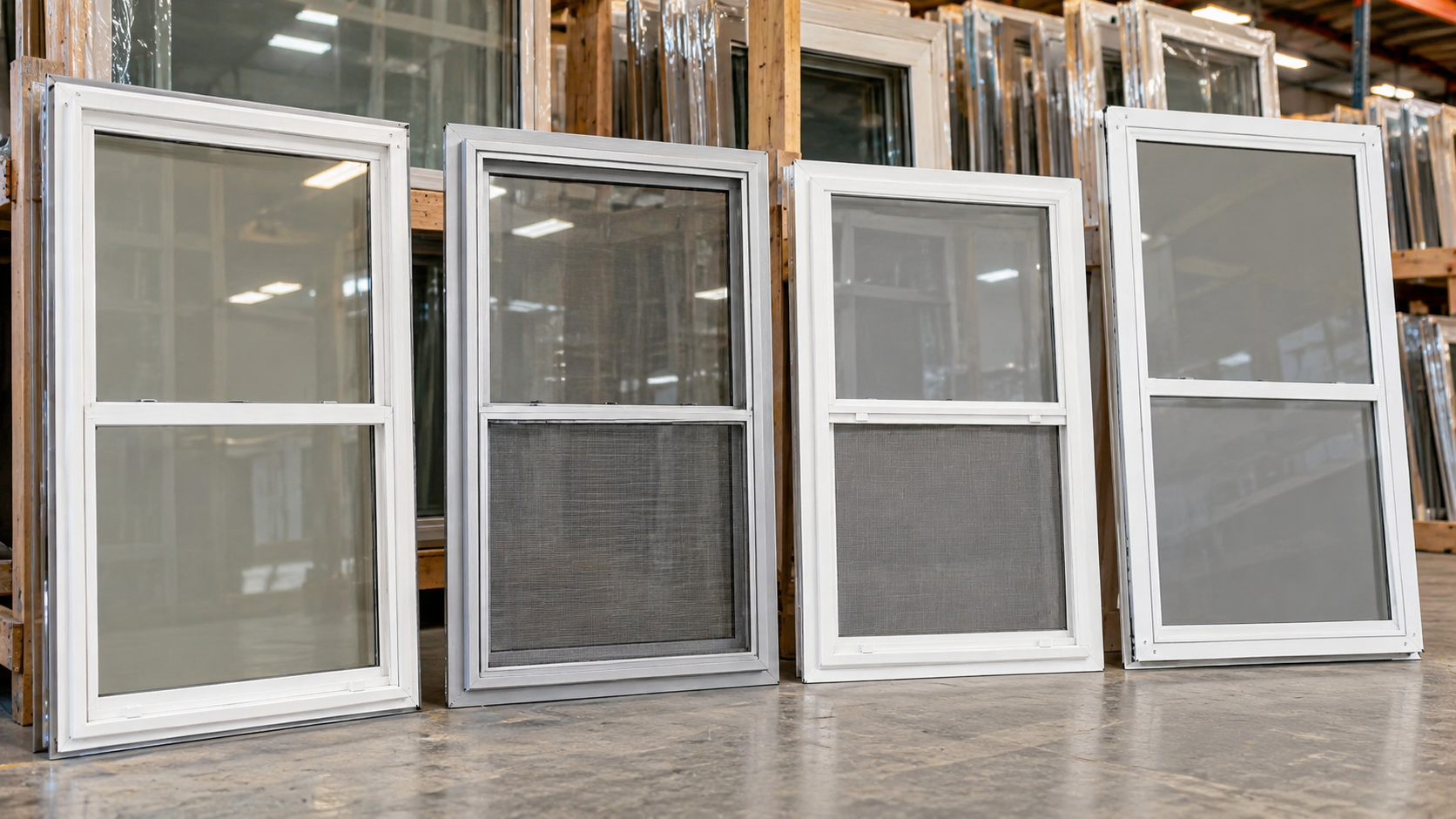
Larson no longer sells storm windows, but you can replace an old unit with a custom interior or exterior model. Current options include two-track, triple-track, sliding, fixed, specialty-shape, clear-glass, and Low-E configurations.
Start with the way the primary window opens. Then check the mounting surface, screen layout, glazing, and exact opening size before you measure for an order.
Key Takeaways: Choosing Larson Storm Window Alternatives
- Larson storm window alternatives include custom exterior and interior units that should match the primary window’s operation, mounting surface, screen needs, and measured opening.
- Storm Windows USA’s custom-size storm windows are built to the width and height entered for the order, helping homeowners choose by opening and configuration rather than an old Larson model number.
- Low-E glazing changes radiant heat transfer, and the right storm window depends on climate, existing glazing, and whether heat could build up between the windows.
- Storm windows work best over sound, working primary windows, so repair damage first and consider full replacement when the original unit is beyond reasonable repair.
Larson Storm Windows Are Discontinued, but Replacements Still Exist
Larson storm windows were discontinued in December 2022, but replacement storm windows are still available in comparable configurations. The All About Doors Larson notice confirms the date and lists the affected storm window line.
Larson still sells storm doors, and the brand remains active. Check whether each support page covers storm windows or storm doors.
Keep the old model number if you have it. It can help identify the original layout, but no current model is a guaranteed direct substitute. Write down whether the unit mounts inside or outside, moves vertically or horizontally, uses two or three tracks, and has a full or half screen.
Now look at the primary window behind it. A double-hung window calls for a vertical storm configuration. A horizontal slider needs side-to-side movement.
Picture windows and specialty shapes often need a fixed panel. Matching the function will get you closer than chasing a familiar product name.
Can You Still Buy Storm Windows After Larson Discontinued Them?
Yes. Custom-size storm windows are still available after Larson’s product line ended, but you order them by opening and configuration rather than by Larson model number.
Storm Windows USA makes custom-sized exterior aluminum storm windows for homeowners and contractors nationwide. Its current range includes vertical, horizontal, fixed, two-track, triple-track, and specialty-shape options.
Use the old Larson unit to document operation, screen layout, and mounting position. Then take fresh measurements for the current product.
The Best Larson Storm Window Alternatives at a Glance
No single replacement suits every discontinued Larson unit. Focus on the function you use, then check whether the option fits the opening and mounting surface.
- Exterior two-track: Best for simple, like-for-like replacement. Features an operable design with a model-specific screen layout. Offers a familiar exterior look and access, with fewer panel positions.
- Exterior triple-track: Best for maximum seasonal flexibility. Offers operable designs with half-screen or two-screen options. Provides more components to clean and inspect.
- Fixed or specialty shape: Best for picture, basement, arch, round-top, or trapezoid openings. Typically has no ventilation unless separately designed for it. Provides clean sightlines, but irregular shapes require careful review.
- Compression-fit interior: Best for a removable room-side layer. Remove the panel to ventilate, as it has no built-in screen. Preserves the exterior appearance but requires storage and interior access.
- Operable interior: Best for frequent access or ventilation. Available in double-hung or sliding designs, with screens depending on the model. Allows easy inside access but requires sufficient track and trim clearance.
- Full replacement: Best when the primary window has failed. Ventilation and screens vary by unit. Addresses deeper window damage but requires comparing project scope and cost.
Before choosing a replacement, compare screen arrangements, glazing, panel movement, available sizes, and mounting requirements. Since specifications vary by model, confirm the details with the manufacturer before purchasing.
Choose an Exterior Storm Window for a Like-for-Like Replacement
For many older Larson units, aluminum replacement storm windows offer the closest functional match. They keep the added layer outside the primary window and can preserve familiar features such as sliding glass panels, screens, and seasonal ventilation.
Storm Windows USA’s exterior storm windows include vertical, horizontal, fixed, two-track, triple-track, and specialty-shape options made for measured openings. Choose the orientation first. Then compare the track layout, screen arrangement, mounting flange, glazing, and finish.
Access can settle the decision quickly. Ground-floor units are easier to measure and maintain. For upper-floor openings, an interior system can simplify access.
Inspect the sill and trim first. Repair rot, failed glazing, and active water entry before installing a new storm.
Two-Track Models for Simple Ventilation
A two-track storm window usually combines movable glass and a screen in a simpler frame. It works well when you want ventilation but don’t need every panel to move independently.
Vertical two-track units suit up-and-down openings. Horizontal versions suit sliding primary windows.
The simpler arrangement has fewer parts to position, but it offers less flexibility. Model designs vary, so confirm which glass and screen panels move before ordering.
If this layout matches your old unit, compare current two-track storm windows by orientation, screen position, meeting-rail location, and available glazing. Verify how each two-track design operates instead of assuming it matches the Larson model you removed.
Triple-Track Models for More Flexibility
A triple-track storm window keeps the glass sashes and screen in separate channels. You can move them more independently, which makes seasonal adjustments easier. Homeowners who liked the ventilation options of older Larson Performance-style units may find this layout familiar.
Screen arrangements vary across replacement triple-track storm windows. Current models may use a half screen, two screens, or another configuration. Confirm which sash moves, where the screen travels, and whether the meeting rail can align with the primary window.
More tracks mean more parts to clean. Choose the added flexibility only if you’ll use it.
Is a Custom Storm Window an Exact Larson Replacement?
A custom storm window can match the opening and function of an old Larson unit, but it is not a model-for-model replacement.
Storm Windows USA builds custom storm windows to the width and height you enter. Depending on the style, options include track count, operation, glass, screen arrangement, and finish.
Match the old unit’s mounting position, moving panels, screen location, and meeting-rail height before you compare sizes. This functional map matters more than the discontinued model number.
Fixed and Specialty Shapes for Nonstandard Openings
Picture windows, basement openings, and other non-operating windows rarely need a full track system. Fixed storm windows add the second glazing layer without saddling the opening with moving parts you won’t use.
Fixed products can fit arches, round tops, trapezoids, and other nonrectangular openings. These projects need more than a width and height. Photograph the full opening straight on, document the mounting surface, and follow the manufacturer’s shape diagram.
Have large or irregular units reviewed before purchase. The manufacturer may need extra dimensions, a template, mullions, or different glazing.
Consider Interior Storm Windows When Exterior Mounting Is Not Ideal
Interior storm window inserts are useful when exterior access is difficult, decorative trim should remain visible, or changes to the outside appearance are undesirable. National Park Service guidance notes that interior storms may be preferable when exterior units would conceal important details on decorative or multi-light historic windows.
A removable compression-fit panel seals inside a recessed mounting plane. Pull it out when you want ventilation or need to store it. This style works best when the opening has enough depth and the panel is easy for you to handle safely.
Operable interior systems offer more day-to-day access. Double-hung versions move vertically. Two-panel and three-panel sliders suit wider openings.
They use more hardware and need track space, but they let you ventilate without removing the whole unit.
Repair the primary window before adding an interior panel. Fix loose glazing, decayed wood, failed seals, and exterior leaks first. The room-side layer needs a close seal, and the exterior assembly still has to drain.
Before choosing DIY interior storm window inserts, compare the seal, glazing, ventilation, storage, and cleaning access with a purpose-built unit. After installation, watch for condensation and make sure you can reach both surfaces for cleaning.
Decide Between Clear Glass, Low-E Glass, and Other Glazing
Clear glass is the straightforward choice when visibility matters most. It adds a durable second layer without a performance coating.
Low-E glass uses a low-emissivity coating to change how radiant heat moves through the window assembly. The right version depends on your climate and existing window.
ENERGY STAR’s storm-window guidance (says climate zone, existing glazing, tint, metal frames, and extreme heat can affect the decision. Low-E storm windows offer the greatest savings potential over single-pane clear glass. The same guidance warns that certain combinations in very hot, sunny climates may trap heat, especially over existing double-pane or Low-E windows.
Check certification model by model. Storm Windows USA lists select interior, exterior, and direct-mount products as ENERGY STAR certified, but that does not mean every storm window in the catalog carries the label. Choose the rated model and climate zone that apply to your project.
If available, acrylic may be easier to handle than glass in removable interior panels. Tempered or laminated glazing may be available or required for certain locations or panel sizes. Confirm safety-glazing requirements and local code with the manufacturer or installer.
Match the New Storm Window to Your Existing Opening
A custom storm window has to fit one specific opening and mounting method. A nominal size does not show where the frame will sit, how much overlap it needs, or whether a handle or piece of trim will get in the way.
Confirm these details before ordering.
- Operation and track layout
- Mounting position and frame depth
- Panel divisions and obstructions
- Drainage and cleaning access
Keep every measurement and photo until the manufacturer approves the details.
Check Operation and Track Layout
Match vertical storm windows to single-hung or double-hung primary windows. Match horizontal units to side-to-side sliders. Use fixed panels on non-operating openings if ventilation is unnecessary.
For storm windows with screens, map the moving parts: which glass panels slide, where the screen sits, and whether the opening needs to remain usable for routine ventilation.
If the window may serve as an emergency escape or rescue opening, do not let the added unit interfere with required operation. Confirm the applicable requirements locally.
Sightlines matter too. When choosing replacement storm windows for old houses, align the meeting rail and visible divisions with the primary sash where possible. A good functional match can still look wrong if the bars cut across the original window at unrelated heights.
Measure Every Opening Separately
Even windows that look identical can differ enough to affect the fit. Follow the Storm Windows USA guide on how to measure storm windows and record each opening separately. For a vertical exterior opening, that means three widths, three heights, and the meeting-rail position.
Keep the smallest width and height as fit checks, but do not average the readings. Only add an overlap allowance or subtract a deduction after the selected manufacturer confirms it. Blind-stop and surface-mounted installations use different dimensions and factory allowances.
Give every opening its own label. Take one straight-on photo, a few close-ups of the mounting surface, and shots that clearly show the tape readings.
For a horizontal slider, note the operating side, handle clearance, and track depth. Specialty shapes need the requested diagram, not just an overall width and height.
Confirm Mounting Surface and Drainage
A recessed blind-stop mount sits within an exterior opening. A face or surface mount overlaps surrounding trim. These methods need different measurements, so identify the fastening plane before you choose a frame or enter dimensions.
Check that the top and side surfaces are flat enough to fasten securely. Look for sill damage, proud fasteners, handles, alarms, blinds, uneven trim, and anything else that could block the frame or panel movement.
Drainage has to keep working after the new storm goes in. Leave designed weep openings clear.
Avoid sealant that can trap water between the storm and primary window. Repair a questionable sill, casing, or drainage path before installation.
Know When Full Window Replacement Makes More Sense
The choice between storm windows and replacement windows starts with the primary unit’s condition. A storm window is an attachment, not a cure for a failed primary window, and it works best when the original window still operates and can be repaired, sealed, and maintained.
Consider full replacement when the frame is rotted, the sash is inoperable, water enters through the assembly, or the opening lacks safe support for an attachment. Full replacement may suit projects that need a different window function.
Initial price tells only part of the story. Weigh the existing window’s condition against repair cost, preservation goals, comfort, cleaning access, and future maintenance.
A custom storm window may extend the useful life of a sound primary window. Putting one over a window that is already beyond reasonable repair wastes money.
If you need replacement glass for a storm window or a new screen, check whether a local glass or screen shop can reproduce the panel before replacing the entire unit. Original Larson factory parts may be difficult to source, but a repair can still be practical when the frame and tracks remain sound.
Find a Larson Alternative That Fits Your Home
The best Larson storm windows alternatives match the mounting location, operation, track layout, glazing, and actual opening measurements. Brand name comes last. Those checks help you find a closer functional match and reduce avoidable installation surprises.
If your old Larson unit no longer operates or fits, match its function before you choose a replacement. Storm Windows USA makes custom-sized exterior aluminum storm windows for homeowners and contractors nationwide. It sells interior, fixed, and specialty-shape options for openings that need a different setup.
Compare the available configurations, then measure each opening separately. If the shape, mounting surface, or panel arrangement is unclear, send photos and dimensions for review before you order.