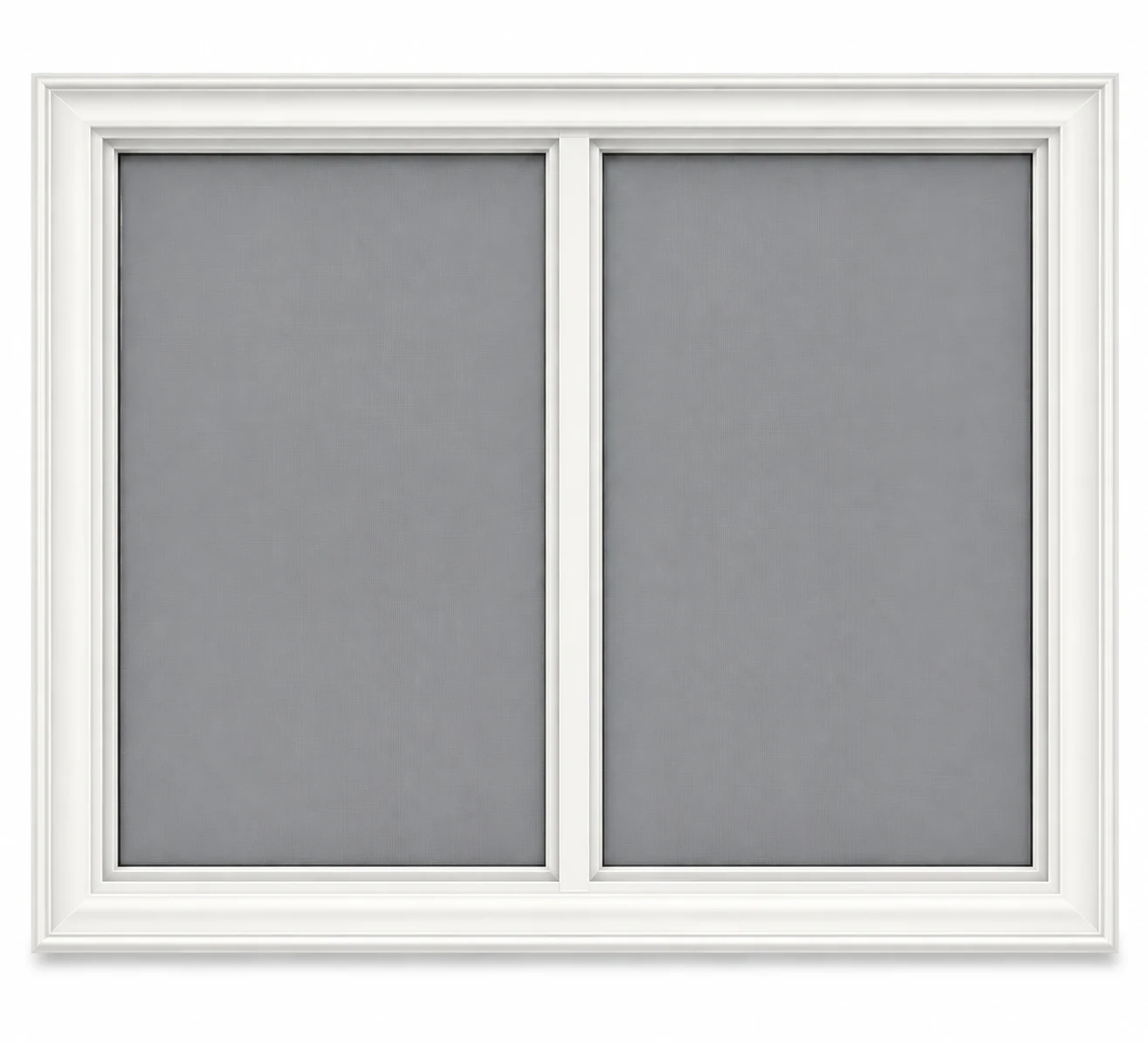
Horizontal slider windows
Measure the width at the top, middle and bottom and the height at the left, center and right. The smallest of each is your size. Then note the operating side, handle clearance, and track depth.
Open this guideStep-by-step measuring guides for every window and storm door we sell: interior, Low-E aluminum, vertical, horizontal, picture, specialty and doors.
For every exterior storm window, measure the width at the top, middle and bottom and record every reading exactly as measured. Never add or subtract an allowance. The extra checks below depend on the window shape and how it operates.
Measure the width at the top, middle and bottom and the height at the left, center and right. The smallest of each is your size. Then note the operating side, handle clearance, and track depth.
Open this guide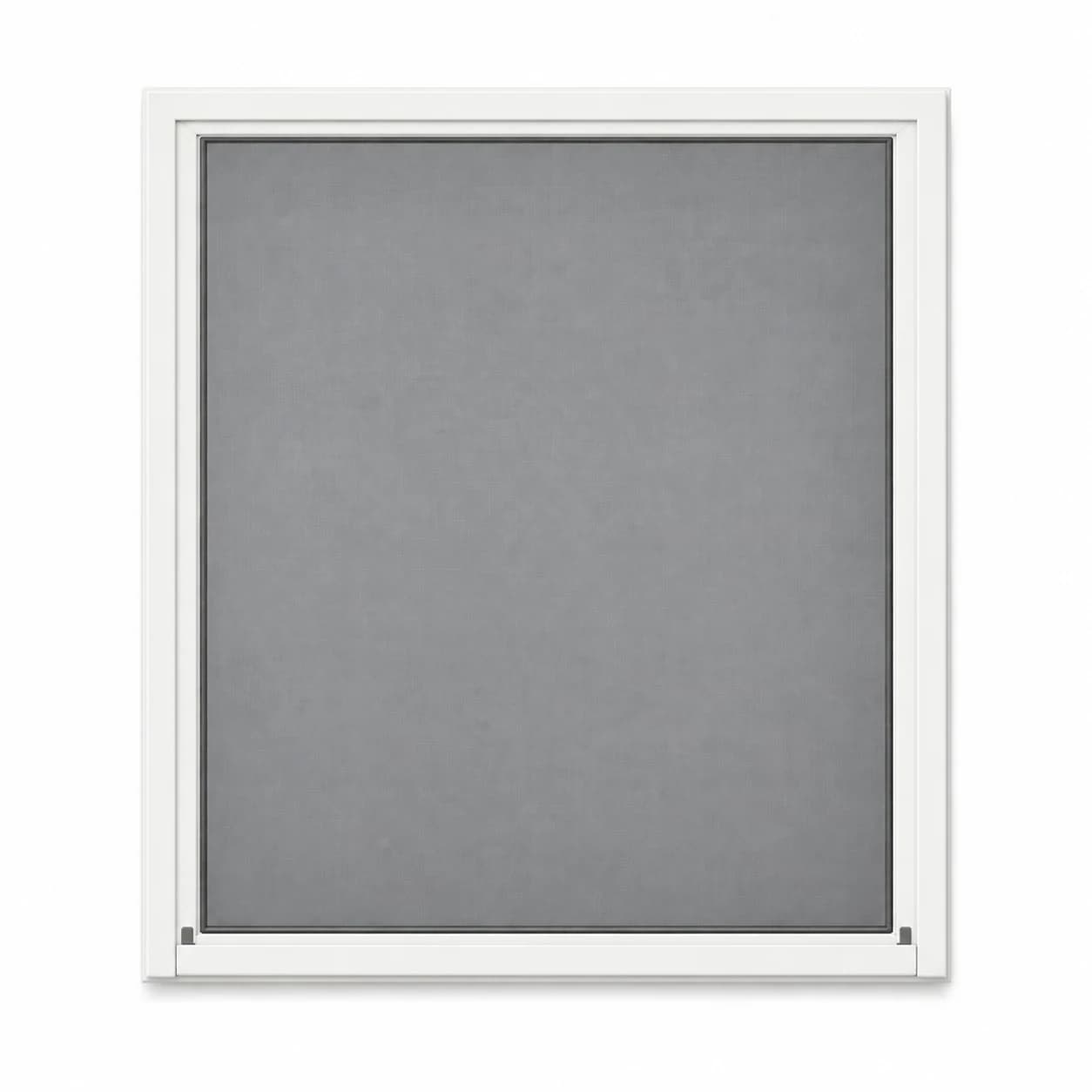
Measure the width at the top, middle and bottom and the height at the left, center and right. The smallest of each is your size. Confirm that all four exterior mounting surfaces are flat and free of handles, alarms, or uneven trim.
Open this guide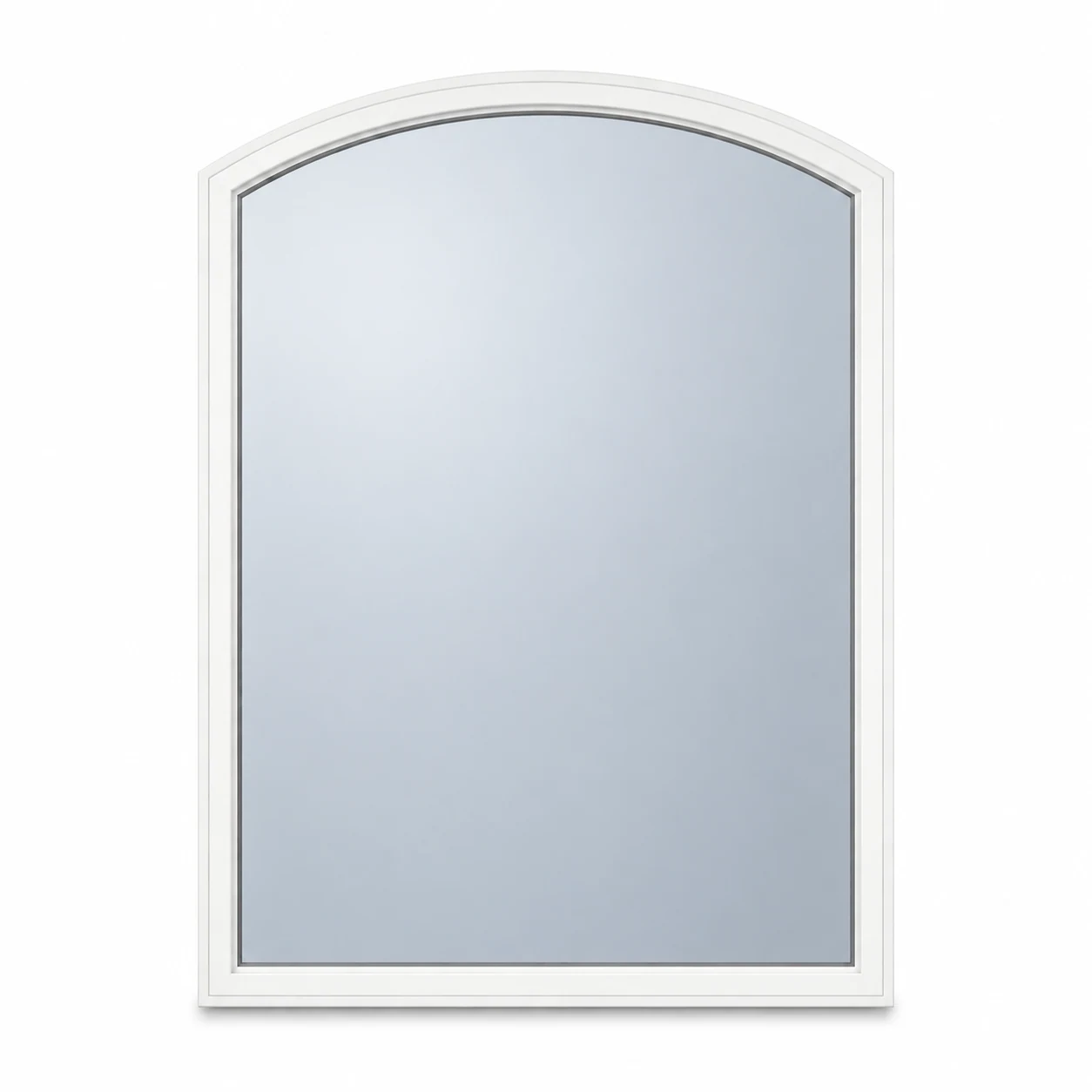
Flanged exterior frames mount through the flange. Use fasteners suited to the mounting material: self-tapping screws for suitable metal, or a pilot hole and wood screw for wood. A separate drill for the bit and driver for the screw can make the work easier.
View installation guidanceAn external screen, including a solar screen, may be available for a fixed picture window. Perimeter hook-and-loop fastening or frame pins may be used depending on the frame and screen. Send the opening details so we can confirm the attachment and quote the screen separately.
Ask about a screenStop before ordering. Send us photos of the full opening and close-ups of the top, sides, and sill.
Exterior storm windows are measured by how they mount: into the blind stop, overlapping the window casing, or sitting in the screen track. Choose your method in the guide above and the steps change to match. For every method, measure the width at the top, middle and bottom and use the smallest. For Low-E aluminum interior and door windows, measure where the frame will sit; interior and exterior frames mount differently, so choose yours before measuring.
Measure the width at the top, middle and bottom and use the smallest. For a blind stop or overlap mount, measure the height down the left and right sides and use the smaller. For a window track, measure the height at the left, middle and right and use the smallest. Do not worry if the readings differ: every side of our exterior storm windows has an adjustable, self-sealing vinyl edge that closes the gap on an uneven opening. We build to exactly the numbers you enter.
Choose your mounting method, then measure the width at the top, middle and bottom and the height as that method describes, using the smallest of each. Confirm that all four mounting surfaces are flat and free of handles, alarms or uneven trim. We build to exactly the numbers you enter.
No. Photograph the entire opening straight-on, record every straight side, spring line, angled corner, and diagonal, and send the photos and measurements for review first.
No. Enter every measurement exactly as taken for every product and mounting method. Never add overlap or subtract clearance. We keep all readings for fit review and build only to the dimensions confirmed for the order.
Record the width at the top, middle, and bottom and the height at the left, center, and right of the proposed opening, plus both diagonals, the mounting depth, and the hinge side viewed from outside. Do not force the numbers into a nominal 32 x 80 or 36 x 80 size.
Stand outside and face the entry. If you are unsure, send a photograph with the hinge side marked.
For an exterior Low-E storm, choose your mounting method and measure the width at the top, middle and bottom and the height as that method describes, using the smallest of each. Interior aluminum windows need two or three widths and both side heights to the nearest 1/8 inch, with the smallest used and no clearance subtracted by you.
Production uses the approved finished tip-to-tip frame size. Say whether your numbers are opening readings or intended finished panel dimensions, and do not apply a recessed-frame deduction or an overlap allowance from another product.
Look at how the storm window would attach. If there is a blind stop, the narrow strip of trim set against the window frame, it attaches into the blind stop. If flat casing surrounds the window and the storm would sit on the outside face of that trim, it is an overlap mount. If your window has a screen track the storm can slide into, it is a window-track mount. Not sure? Choose Not sure in the guide and send us photos.
On a double-hung window, measure to the middle of where the two panels meet. You may measure from the top edge of the opening down to the center of the meeting rail, or from the bottom edge up to the center of the meeting rail. Record which edge your tape started from. For a window-track mount, measure from the corresponding top or bottom track.
A drop sill steps down below the window frame; a standard sill does not. It decides where the height measurement stops: at the bottom of the drop on a drop sill, or at the highest point of the sill on a standard sill.
Stop before ordering and send photos of the full opening and close-ups of the top, sides, and sill.