From the blog
Storm Windows vs. Regular Windows: Key Differences
Compare storm windows and regular windows by cost, comfort, installation, upkeep, and your current window condition.
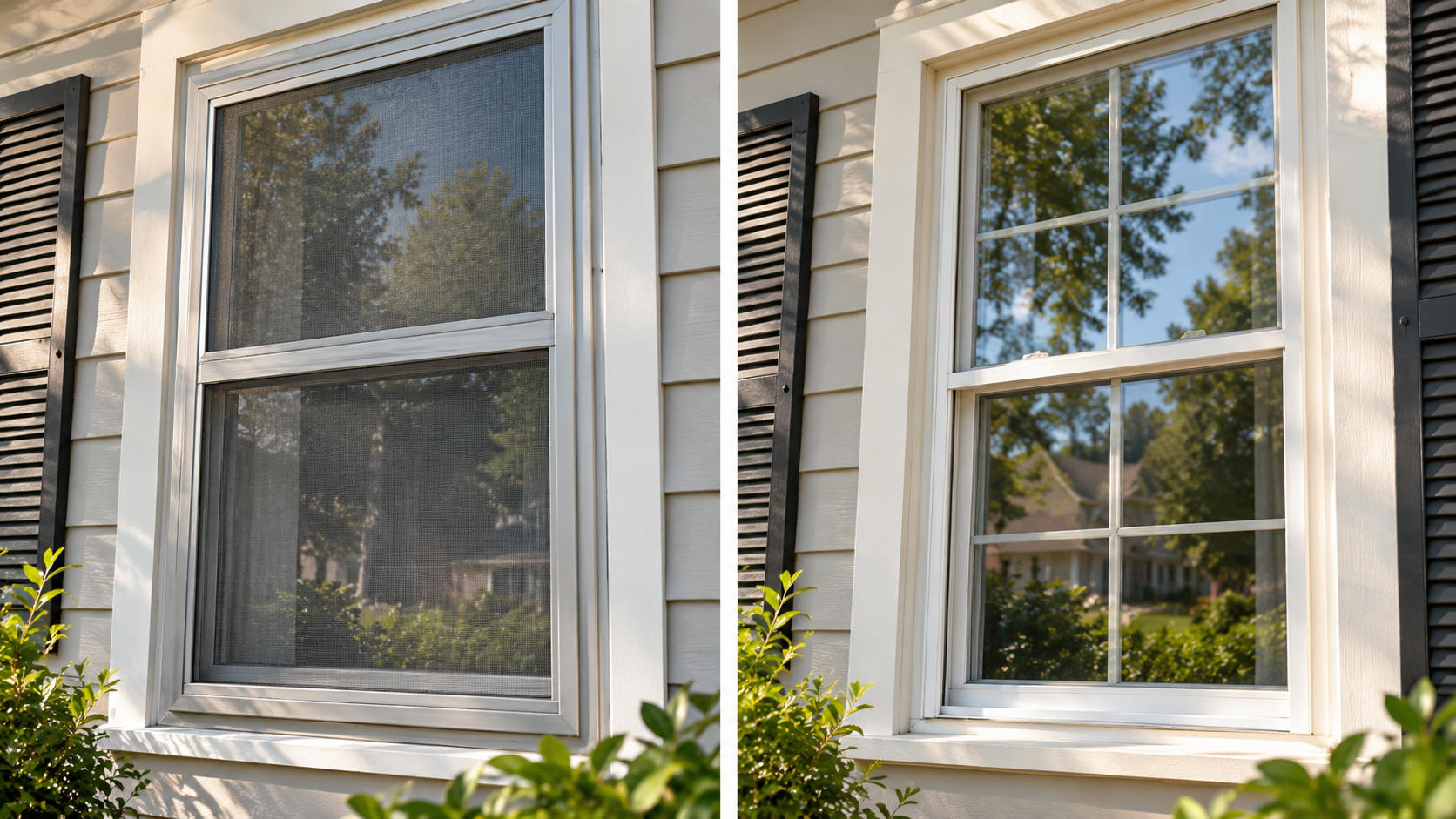
Storm windows and regular windows do different jobs. A regular window is the primary unit fitted into the wall opening. A storm window is a second interior or exterior layer added to a primary window that is already in place.
Start with the condition of the window you have. A sound, operable window may be a good candidate for a carefully fitted storm window. A rotted frame, unsafe sash, active leak, or broken operating system needs repair or replacement first.
Storm Windows vs. Regular Windows: The Short Answer
In a storm windows vs. regular windows comparison, the main choice is between improving a serviceable window and replacing the primary assembly. Storm windows can address comfort, exposure, or seasonal performance with less disruption. Replacement makes more sense when the existing window has failed or the project calls for a new size, style, function, or code-compliant opening.
Here, “regular window” means the home’s primary window. It does not mean impact glass or a hurricane-rated product.
The word “storm” can be misleading. A storm window needs specific testing and certification before it can be described as protection from windborne debris.
Think about two old wood windows. One opens, locks, and has intact sill and sash, though the room feels chilly. The other sticks, shows soft wood at the sill, and leaves water stains on the wall below.
The first could suit a retrofit. The second needs a proper diagnosis before another layer is added.
How Storm Windows and Regular Windows Work
If you are asking what storm windows are, start with the job each layer does. The primary window closes the wall opening and handles daylight, ventilation, security, and the main separation between indoors and out. A storm window adds glazing and a pocket of air to that working unit.
Storm Windows Add a Second Layer to an Existing Window
Storm windows mount on the room side or the exterior side of a primary window. A close fit can curb air movement around the opening, and the extra layer changes heat transfer through the combined assembly. Results still depend on the original window, local climate, glass, fit, and installation.
Configuration should follow operation. Vertical two-track and triple-track units suit many single-hung or double-hung windows.
Horizontal systems pair with sliding sash. Fixed panels belong on openings where ventilation is unnecessary.
Storm windows with screens and removable sections vary by model. Choose among these configurations around how the room needs to work, not track count alone. A setup that looks right on paper can become annoying fast if it blocks a lock, handle, screen, or cleaning access.
When comparing interior vs. exterior storm windows, mounting side changes the details. Interior units are reachable from the room and can keep exterior trim visible.
Exterior units take the weather first, though access, drainage, trim condition, and sightlines need a closer look. The best side is the one that fits the opening and the way you use it.
Storm Windows USA builds made-to-measure interior and exterior systems, including fixed, vertical, and horizontal options. Its custom storm windows start with the actual opening, a useful approach for older homes and sizes that do not match modern stock units. Choose a finish and operating style that fit the room and the primary window.
Regular Windows Form the Primary Window Assembly
A primary window includes the frame, sash or operating panel, glazing, seals, hardware, and its connection to the wall. Full replacement changes that core assembly. The work can involve the window, trim, flashing, siding, and interior finishes.
“Regular window” covers a huge range of products. Pane count, frame material, spacers, seals, hardware, and installation all affect how a unit performs. The condition of the surrounding wall matters just as much when water or air is getting in around the frame.
For an energy comparison, look past the number of panes. U-factor describes heat transfer through the product.
Solar heat gain coefficient measures how much solar heat passes through a product. Certified ratings help compare windows, but climate and orientation still matter because a unit that works well in one region may be a poor match somewhere else.
Key Differences Between Storm Windows and Regular Windows
This choice is best viewed as a focused retrofit compared with a full primary-window project. Condition leads the decision. Budget, comfort, access, appearance, ventilation, and future renovation plans fill in the rest.
Cost, Installation, and Project Disruption
What storm windows cost depends on size and options, but adding one is often the smaller job because the primary unit stays put. There may be less demolition, trim work, and disturbance inside the room.
Careful measurement still matters. So do a flat mounting surface, safe access, enough clearance, and the right frame for the opening.
Replacement reaches deeper. A contractor may remove sash, frame, trim, or exterior material, then connect the new unit to the wall’s air and water control layers. That scope can be worthwhile when the existing assembly is failing or when you want to change how the opening looks and works.
When comparing whole-project costs, include glass, finish, screens, hardware, labor, packaging, shipping, and any difficult access. Aluminum storm windows can vary by configuration and finish, so compare a delivered quote with the full scope of a primary-window replacement.
Storm Windows USA lists prices for some products and quotes others by size and options. A delivered quote tells you more than a broad national average.
Energy Efficiency, Comfort, and Noise
Do storm windows help insulate? They can when the primary window is sound. The added layer and air space slow heat transfer, and a close perimeter can reduce some drafts. The result still depends on the original window, climate, glass, fit, and installation.
Published guidance also makes the limits clear: results change with location, the efficiency of the home, and the starting window system. Clear single-pane windows often have the greatest potential to benefit from a low-e storm product when the primary window is in good condition.
Low-e needs more thought than a label on a product page. Orientation, climate zone, tint, frame, and daylight preferences can shift the best choice.
In a hot climate, unsuitable solar properties may work against the comfort you wanted. Check the product’s intended climate zone and certification.
Testing of low-e storm products over multiple primary windows shows that combined assemblies can produce different U-factors, solar heat gain coefficients, and visible-light transmission.
Are storm windows energy efficient? They can be, but the new layer and the window behind it both shape the result.
Sound control depends on the opening too. Glass thickness, spacing between layers, seals, and air leaks around the frame all affect what you hear. An added layer may help, but no honest seller can promise the same noise reduction for every opening.
Operation, Maintenance, Appearance, and Moisture
Another layer means more glass to clean and more hardware or panels to handle. Fixed units may need removal for full access, so follow the correct steps to remove storm windows safely before seasonal cleaning or service.
Operating systems have to line up with the original sash, meeting rail, locks, and screen position. A mismatch can turn a working window into a daily hassle.
Exterior storm windows need drainage. Installation guidance generally calls for a reasonably airtight primary window while preserving weep provisions in the exterior storm.
Those small openings let collected moisture escape. Covering them with caulk can trap water beside the original sash.
Interior panels use a different moisture strategy. They need the seal required by their product instructions so warm, damp room air does not keep reaching the cold primary glass.
Recurring window condensation deserves attention. It may trace to high indoor humidity, air leakage, blocked drainage, or damage in the primary window.
Safety belongs in the same conversation. A panel or track should not prevent a lock from working, stop a required window from opening, or reduce an emergency escape opening below local requirements. Bedrooms and basements deserve a code check before you choose a fixed or restricted system.
Appearance can settle the interior-versus-exterior question. An interior panel may leave original exterior details untouched.
A well-proportioned exterior frame can shield an older sash. Either way, look at frame color, sightlines, meeting-rail alignment, and how much trim remains visible.
When Storm Windows Are the Better Choice
Storm windows make sense when the primary windows are structurally sound, repairable, and able to open and lock. They can address a drafty room, add a glazed layer, protect an older sash, or let you improve a few priority rooms without launching a whole-house replacement project.
Storm windows for old houses can be a natural fit when the primary windows are healthy enough to keep. National Trust guidance recommends assessing and retrofitting historic windows before defaulting to replacement. Exterior changes may still require local preservation approval.
Old glass, distinctive muntins, and dense original wood give a building character that replacement can erase. A compatible storm system lets those materials stay in service. Its frame should line up with the original divisions, and the fasteners should avoid damaging the details you meant to preserve.
Custom sizing helps with odd openings. Storm Windows USA offers fixed and ventilating exterior storm windows in two-track, triple-track, vertical, and horizontal choices.
Pick the operating pattern first. Then confirm the glass, screen, finish, access, and mounting details.
A phased project is another good use case. You can start with the coldest, loudest, or most exposed rooms and learn from those installations. Keep each choice tied to the primary window’s condition and the room’s need for ventilation or emergency exit.
When Regular Replacement Windows Make More Sense
When weighing storm windows vs. replacement windows, repair or replace the primary unit when it is rotted, warped, unsafe, badly damaged, or leaking because the assembly has failed. A storm window cannot rebuild soft wood, square a distorted frame, replace broken balances, or make faulty locks safe.
Major renovations can point toward replacement as well. A new opening size, different window style, changed wall assembly, or new room use may require a new primary unit. Emergency escape requirements need special care so the finished opening retains the required clearance and operation.
Daily use matters. A stiff sash or awkward design may be a poor base for another layer, especially for someone with limited reach or strength. Fixing the whole assembly can restore smooth operation and easier cleaning along with the other project goals.
Do not assume a new window cures every draft or leak. Air can enter between the frame and wall.
Water may come from failed flashing or siding above the opening. Diagnose the path first, then choose work that fixes the actual failure.
Replacement storm windows are secondary units; they are not the same as primary replacement windows. When comparing new primary units, review certified U-factor and solar heat gain coefficient values for your climate. Check air leakage, glass, frame construction, warranty, installation details, and the contractor’s plan for connecting the window to the wall.
How to Choose Before You Buy
Start with the window, not the catalog. Inspect each opening in daylight and, if possible, after a hard rain. A quick condition check helps separate a retrofit project from repair or full replacement.
- Check the frame, sill, sash, glazing, and trim for rot, corrosion, loose joints, and water staining.
- Open, close, lock, and clean the primary window to confirm safe operation.
- Find visible gaps and drafts instead of blaming every comfort problem on the glass.
- Decide whether the new unit will mount inside or outside, then check that the mounting surface is flat and sound.
- Match vertical, horizontal, fixed, two-track, or triple-track operation to the sash and ventilation needs.
- Review screen position, handle clearance, cleaning access, frame finish, glass, and drainage.
- Check climate-appropriate ratings and certifications when energy performance matters.
- Measure at the exact mounting plane, and ask for help with bowed, shallow, out-of-square, or specialty openings.
Label each measurement set with the room and opening. Photograph the mounting plane and any nearby hardware that could interfere. A clear record helps you catch a swapped dimension or mismatched configuration before a made-to-order unit goes into production.
Made-to-measure windows need more than one quick width and height. Record every dimension required by the manufacturer.
Do not average the numbers or subtract a generic allowance. The Storm Windows USA measuring guide separates opening measurements from finished manufacturing dimensions for this reason.
Read the instructions for the exact model before installation day. Match the storm window installation steps to an interior panel, vertical system, horizontal slider, fixed panel, or specialty shape. Repair weak mounting surfaces and plan for difficult access before confirming the order.
Frequently Asked Questions
What Are the Downsides of Storm Windows?
Storm windows add glass and frame surfaces to clean. Some models make the primary window harder to reach, change the sightlines, or limit operation when the configuration is wrong.
Poor fit, bad sealing, or blocked drainage can undercut performance. And a storm window cannot rescue a damaged primary window.
Do I Need Storm Windows?
No. They are optional upgrades for sound windows that need better comfort or performance.
Deal with rot, unsafe operation, active leaks, and failed hardware first. Climate, room comfort, exterior exposure, preservation goals, and budget determine if the added layer is worthwhile.
Does Anyone Still Use Storm Windows?
Yes. Modern interior and exterior systems, including low-e storm windows, fixed panels, and operable models, are used in older homes, historic properties, and unusual openings.
They have moved well beyond loose seasonal panels. Fit and compatibility with the primary window still decide how useful they will be.
Are Storm Windows Cheaper Than Regular Replacement Windows?
They often involve a narrower, less disruptive project. Exact costs change with size, glass, frame, finish, operation, screens, access, quantity, labor, and shipping.
Compare delivered and installed totals. A bargain unit is expensive if it does not fit or keeps the window from working.
Keep the Windows You Love Without Guessing on Fit
The storm windows vs. regular windows decision gets clearer once you separate condition from performance. Sound primary windows may suit a storm layer. Failing primary windows need repair or replacement before you add another layer.
If your windows are worth keeping, compare made-to-measure options from Storm Windows USA. Choose a configuration that follows each opening, measure at the intended mounting position, and review the storm window installation requirements before placing the order.
References
National Fenestration Rating Council. “NFRC Ratings (https://nfrc.org/).” National Fenestration Rating Council.
National Fenestration Rating Council. “Storm Windows (https://efficientwindows.org/storm-windows/).” NFRC Consumer Guide to Windows.
Rocchi, Julia. “10 Things You Should Know About Retrofitting Historic Windows (https://savingplaces.org/stories/preservation-tips-tools-retrofitting-historic-windows).” National Trust for Historic Preservation.
University of Maryland Extension. “Home Energy: Storm Windows (https://extension.umd.edu/resource/home-energy-storm-windows).” University of Maryland Extension.