Storm Windows
Do Storm Windows Help Insulate? Energy Savings and Performance
Learn how storm windows improve insulation, reduce drafts, and save energy, plus the factors that affect performance and when an upgrade makes sense.
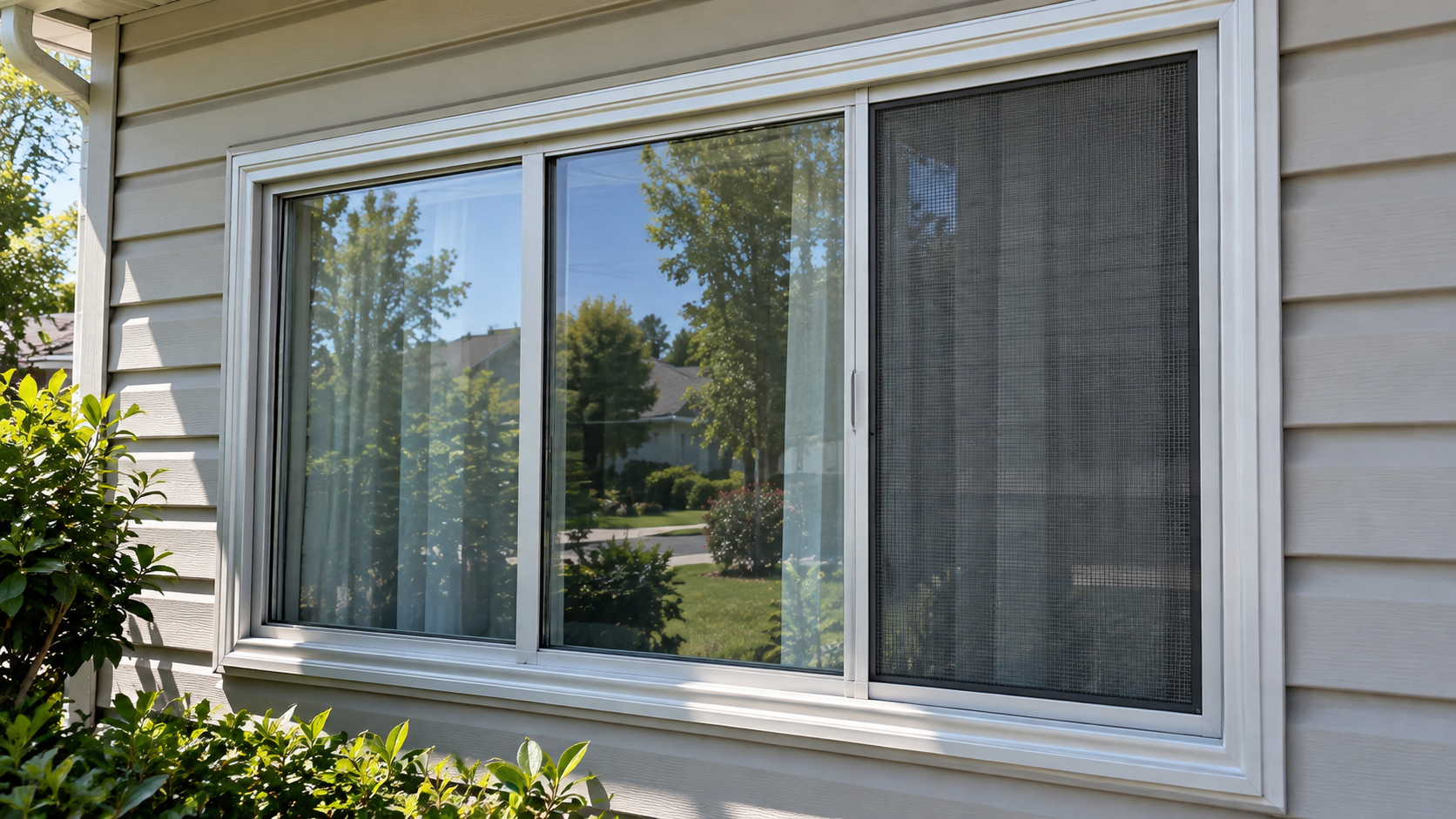
Yes. A properly fitted storm window can improve insulation by cutting drafts and slowing heat movement through an older window. Low-e glass can reduce radiant heat loss. The biggest gains usually come from sound single-pane windows that still work but feel cold or leaky.
A storm window upgrades the assembly already in the wall. It cannot repair rot, failed hardware, water damage, or a sash that will not close. The right choice depends on where comfort and energy losses begin, what affects the result, and whether replacement would solve the problem more effectively.
Do Storm Windows Really Help Insulate?
Storm windows help most when the primary window is sound but has room for improvement. On a cold day, the added layer may reduce the sharp chill near the glass. It may calm drafts that tug at curtains or cool the floor.
Results vary. A loose panel over a warped frame will perform differently from a correctly sized low-e unit over a working single-pane window. The storm window, primary window, frame, and air space all work as one system.
Storm windows can improve energy efficiency, but comfort is often the first change homeowners notice. The glass may feel warmer. Energy savings take longer to judge because weather, utility rates, thermostat settings, and the rest of the house affect every bill.
How Storm Windows Improve Insulation
Storm window insulation works by limiting heat loss through moving air, conduction through materials, and radiation between warm and cold surfaces. Different details control each pathway.
Picture an older window during a winter cold snap. You might feel air at the sash, cold coming through the glass, or discomfort because the glass surface is chilly. The added layer works best when the frame, glazing, seal, and space between the panes are treated as a complete assembly.
A quick check can narrow down the problem. Hold a tissue near the trim and sash. Movement points toward leakage. Cold glass without a clear draft may involve surface temperature, indoor humidity, conduction, or radiant heat loss.
A Close Fit Reduces Drafts
A well-fitted storm window restricts air movement around the primary window. That matters because a room can feel chilly even when the thermostat holds steady. Less outside air slipping through can make a surprising difference around beds, desks, window seats, and that one chair nobody wants to use during winter.
Draft control and glass insulation are separate parts of the job. A close fit depends on accurate measurements, a sound mounting surface, and careful installation. Small gaps can limit performance.
The Air Gap Slows Conductive Heat Transfer
The space between the primary window and the storm panel acts as a buffer. When the air in that space stays relatively still, heat moves across the assembly more slowly. The room-facing surface can stay warmer, which may make the area beside the window feel better even before you see a clear change on a utility bill.
No single storm window R-value applies to every home. Each assembly behaves differently. Be wary of anyone promising a specific room-temperature increase from the panel alone.
Low-E Glass Reduces Radiant Heat Loss
Low-emissivity, usually shortened to low-e, glass has a thin coating that reflects radiant heat. It does more than add another clear pane.
In cold weather, the coating helps keep more indoor heat on the room side. Some coatings can limit unwanted solar heat in warmer conditions, which matters most on windows that face strong sun for much of the day.
Use ENERGY STAR guidance when comparing energy-efficient storm windows for your climate zone. Certified low-e storm windows must meet program requirements for emissivity, solar transmittance, and air leakage. Clear glass can still help with drafts and the insulating air gap, but it does not offer the same control over radiant heat.
How Much Energy Can Storm Windows Save?
The U.S. Environmental Protection Agency offers a useful national benchmark. It estimates that ENERGY STAR-certified low-e storm windows can save about $350 a year, or around 10% on heating and cooling. The estimate applies to units installed over single-pane, clear-glass windows without existing storms.
Treat that figure as context, not a quote for your house. Local weather, utility rates, home size, existing leakage, and the starting efficiency of every window will change the outcome. A drafty single-pane window in a cold climate has far more room for improvement than an efficient low-e primary window in mild weather.
Already have clear-glass storms? Replacing those panels with certified low-e storm windows may deliver a smaller gain. The same EPA estimate is about $50 a year, or roughly 2%, on average. Start with your actual windows.
Bills shift for reasons that have nothing to do with windows. Weather swings, fuel prices, occupancy, and thermostat changes can easily muddy the picture. To judge storm window energy savings, compare weather-normalized energy use across similar periods and note whether the rooms near the treated windows feel more comfortable.
What Determines How Well Storm Windows Perform?
How much do storm windows help in a specific home? The weakest part of the assembly often sets the limit. Before comparing products, inspect the primary window to find where discomfort begins and whether damage affects the result.
Ask whether air enters around the sash or the glass feels cold. Look for damage, water stains, loose trim, and faulty hardware.
Measure every opening. Older homes often have small differences caused by settling, repairs, or layers of paint, even when the windows look identical from across the room. Those small differences matter when the goal is a close, even fit that preserves operation and leaves every drainage path exactly where it belongs.
How Should You Measure for a Close-Fitting Storm Window?
Measure each opening at several points because older frames are often out of square. Storm Windows USA's measuring guide asks for three width and three height readings, with the smallest values used as fit checks rather than averages. Keep every measurement and confirm the mounting surface before ordering. A made-to-measure unit can reduce unwanted air paths only when its frame is sized for the place where it will sit.
The Condition of the Primary Window
Drafty windows are good candidates for a storm-window upgrade only when they remain sound and operable. The primary unit should close, latch, drain, and support the new panel. Some openings need minor air sealing or hardware repair first, and doing that work can make the final installation much more dependable.
Rot, structural movement, broken hardware, and ongoing water intrusion need attention before another layer goes on. A panel may hide a symptom without solving the cause. If the original window is too damaged to repair sensibly, professional repair or replacement is the better path.
Fit, Seal, and Installation Quality
Made-to-measure sizing helps the unit sit where it should. That reduces unwanted air paths and keeps moving parts usable. Follow the manufacturer's clearances and fastening directions, and review the Storm Windows USA installation guide before starting.
Exterior units must release water and humid air. Keep weep openings and drainage paths clear.
Check local rules before changing bedroom windows or other emergency openings. Keep required egress operable, and confirm whether the location calls for safety glass.
Glazing, Frame, and Climate
Clear glass, standard low-e, and solar-control low-e glazing do different jobs. The right choice depends on climate, sun exposure, orientation, and the glass already in the primary window. A coating selected to retain winter heat may be a poor match for a hot, sunny opening.
Aluminum storm windows deserve a close look because metal conducts heat. Compare tested thermal breaks and whole-assembly performance, especially in extreme heat.
Which Storm Window Style Fits the Existing Window?
Match the storm window's operation to the primary window, since a close fit must still preserve ventilation and cleaning access. Storm Windows USA pairs vertical models with double-hung openings, horizontal sliders with side-to-side windows, and fixed picture units where ventilation is not needed. Choose two-track or triple-track only after checking screen placement, meeting rails, mounting depth, and drainage.
When Storm Windows Make Sense and When They Do Not
Custom storm windows are not necessary for every home, but they can be a practical retrofit when the original windows are worth keeping and the opening can accept a compatible unit. They may be worth it for older homes, unusual sizes, or projects where full replacement would bring more cost and disruption than the problem calls for.
Age alone does not make a window a good candidate. Look for a repairable frame and sash, a clear comfort or efficiency problem, and enough room for a properly drained second layer that does not interfere with operation.
Storm windows are often a good fit when most of these points are true.
- The primary windows are structurally sound and still operate.
- Single-pane glass or noticeable drafts leave room for improvement.
- Preserving original trim, glass, or architectural character matters.
- A fitted retrofit matches the budget and scope of the project.
They may be a poor fit in these situations.
- The existing windows are rotted, badly warped, or inoperable.
- Water damage or condensation problems have not been diagnosed.
- The primary windows already use efficient low-e glazing.
- The proposed unit would interfere with drainage, ventilation, safety glass, or emergency egress.
Start with the window, not the product catalog. Identify the problem, confirm that the opening is compatible, and compare installed cost with a realistic savings range. If custom sizing matters, review exterior storm windows and made-to-measure options before deciding.
Storm Windows vs. Replacement Windows
When comparing storm windows with double-pane replacement windows, remember that a storm window stays in front of the unit already in the wall. It adds a second layer and leaves the primary frame and sash in place. Replacement windows remove the primary unit and rebuild that part of the opening. The choice hinges on whether the original window still has useful life and whether a second layer will address the problem you have.
Choose a storm-window retrofit when the primary frame and sash are sound, you want to preserve them, and the extra layer solves the comfort issue. Badly damaged windows usually need replacement.
Project cost and disruption vary widely, so broad percentage comparisons are rarely helpful. Product type, access, trim work, labor, and repairs can all change the total. The Storm Windows USA storm windows vs. replacement windows guide can help frame the choice, but use a project-specific quote for pricing.
Replacement makes sense when a renovation will change the size, style, or operation of the opening. A storm panel cannot correct framing problems or redesign the way a primary window functions.
Frequently Asked Questions
Are Storm Windows Energy Efficient?
Yes, when a fitted unit improves the performance of a sound primary window. Energy efficiency depends on air leakage, glazing, frame design, installation, and climate, so compare the complete assembly instead of the panel alone.
Do Storm Windows Help in Summer?
Some low-e storm windows can reduce unwanted heat gain. The correct coating depends on climate and orientation, though, and ordinary clear storm windows are not automatically optimized for cooling. Check the product's climate-zone label instead of assuming one glazing package works everywhere.
What Are the Downsides of Storm Windows?
Storm windows add another glass surface to clean and more tracks, fasteners, or panels to maintain. Blocked drainage can contribute to moisture trouble. Exterior units may change the view of the original window, and upper-story panels can be awkward to reach.
Cleaning can take longer, too. Those tradeoffs can be reasonable when the original window is sound and important to keep. Choose a compatible design, plan for drainage and access, and maintain both layers.
Improve Window Insulation With Custom Storm Windows
So, do storm windows help insulate? Yes, when the windows you already own are worth keeping and the new units are sized and installed correctly. A good match can calm drafts, slow several forms of heat transfer, and make a formerly chilly room more comfortable without removing the original window assembly.
Storm Windows USA offers custom storm windows for existing openings, including exterior aluminum storm windows and available low-e glazing. Explore the options or contact the team for help matching the opening, operation, glazing, and local climate.
Send your opening measurements and shipping ZIP to Storm Windows USA for a delivered quote that confirms the configuration, glass, final dimensions, and delivery before you order.
References
National Fenestration Rating Council. “Window Energy Performance Ratings (https://nfrc.org/).” NFRC.
National Fenestration Rating Council. “Frequently Asked Questions (https://nfrc.org/windows-doors-skylights/faq/).” NFRC.